Technology background
The most common process of anodizing aluminum uses chromic acid as a main component of the electrolyte, resulting in an anode layer of oxide with high corrosion resistance and good mechanical strength, being the most efficient among the known processes, nowadays .
However, although it confers optimal properties, this process has a strong environmental impact, it generates effluent containg chromium hexavalent, known carcinogen and toxic, It is regulated by RoHS (Restriction of Certain Hazardous Substances), directive which aims complete elimination of processes and products of mutagenic substances to human beings.
In this context, over time methods have been developed involving anodizing baths and other acids, such as sulfuric acid bath (sulfuric anodizing), phosphoric acid (phosphoric anodizing) and oxalic acid (anodizing oxalic), without getting the same protection efficiency of the anodizing process chromic.
Recently, baths were developed with a combination of sulfuric acid with tartaric and boric acid.
However, even so, none of the proposals has achieved results as satisfactory as that conferred by the use of chromic acid.
Technology description
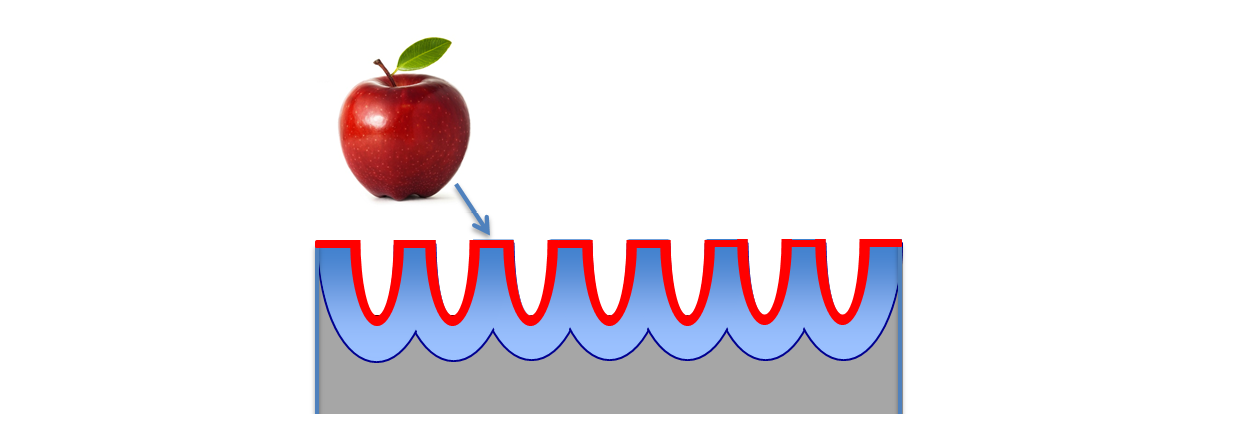
It is a new process of surface finish for aluminum alloys, consisting of a free chromate anodising process.
Problems solved by the technology
Enables the replacement of chromic anodizing by a choice with better performance than alternative processes proposed for the same purpose.
Advantages of the technology
– Formation of anode layer of highly corrosion resistant.
– Free chromate bath.
– Low environmental impact.
– No development of fungi present in other baths.
– Superior performance obtained by the anodizing tartaric-sulfuric and other formulations dioic between carboxylic acids and sulfuric acid.
Industrial application
– The method of anodizing aluminum and its alloys.
– Parts of structures and aluminum and its alloys are subject to corrosion.
Nível de Maturidade da Tecnologia (TRL – Technology Readiness Level)

Technology status
Patent filled by INPI.
Opportunity
We are looking for partners for licensing, strategic partnership or fundraising,pt.
Inventors
Luis Frederico Pinheiro Dick
Gerhard Hans Knornschild
Thiago Vignoli Machado
Pedro Atz Dick
Visit our laboratory (click in the logo)
See the explanatory video with Prof.. Luis Dick,en
