







Toxicity tests using aquatic organisms have been required by Brazilian legislation for the monitoring of effluents and receiving water bodies. Among these tests, the use of fish as test organisms is often neglected, based on the assumption that they exhibit lower sensitivity compared to other groups. However, this apparent low sensitivity is frequently a consequence of inadequate test methodologies, rather than the choice of the test organism itself.
In this context, the Ecotoxicology Laboratory at UFRGS has focused its efforts on the critical analysis, adaptation, and improvement of methodologies applied to fish-based toxicity assays. For many years, the laboratory has concentrated on implementing, evaluating, and refining regulatory protocols using zebrafish (Danio rerio), conducting acute and chronic toxicity tests across various developmental stages, including embryos and larvae.
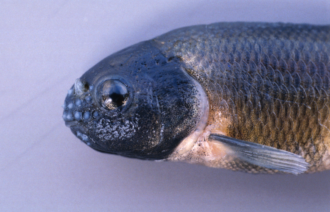
Recently, experimental activities with Danio rerio were temporarily suspended, and the laboratory adopted Pimephales promelas (Fathead Minnow) as its new model organism. This transition aims to expand the use of a test species recognised for its high toxicological sensitivity and ease of laboratory handling.
Currently, acute and chronic toxicity assays with P. promelas are being conducted following protocols established by the USEPA and ABNT. Embryo-larval assays are being implemented. These evaluations are complemented by the development of behavioural studies, as well as continuous improvements in culture conditions and animal welfare.
In parallel, the laboratory maintains partnerships with other research groups, applying ecotoxicological assays to generate data for monitoring impacted areas, assessing the effectiveness of effluent treatment technologies, characterising the toxicity of industrial inputs, and supporting other applications related to environmental risk assessment.