Bem Vindo à Faculdade de Agronomia!


Avaliação

Agenda

Fagro Tube
Guia Telefônico

Repositório Digital

Contador de Visitas
 | Hoje | 355 |
 | Ontem | 248 |
 | Esta semana | 603 |
 | Este mês | 7554 |
 | Total | 946826 |


The Faculty of Agronomy has its performance at the EEA subdivided into six sectors / departments: Horticulture and Forestry; Forage Plants and Agrometeorology; Crop plants; Soils; Phytosanity and Zootechnics. The presentations of the activities in each department and in the Favet are constituted by the responsible professor, email, title and project. Through the event table in the EEA, to be presented after the sectors / departments and Favet, one can clearly see the amount and nature of research activities in the EEA-UFRGS. The course of Zootechnics started it activities in 2013, and is linked to the Faculty of Agronomy, its research activities in the Agricultural Experiment Station, and they are mainly linked to the professors of the Department of Zootechnics, for the develop of researches at the EEA.
Meteorological data of the Agronomic Experiment Station - 1970-2013 (Excel)
Série Meteorológica da Estação Experimental Agronômica - UFRGS (pdf)
EEA_UFRGS_1970 - EEA_UFRGS_1971 - EEA_UFRGS_1972 - EEA_UFRGS_1973
EEA_UFRGS_1974 - EEA_UFRGS_1975 - EEA_UFRGS_1976 - EEA_UFRGS_1977
EEA_UFRGS_1978 - EEA_UFRGS_1979 - EEA_UFRGS_1980 - EEA_UFRGS_1981
EEA_UFRGS_1982 - EEA_UFRGS_1983 - EEA_UFRGS_1984 - EEA_UFRGS_1985
EEA_UFRGS_1986 - EEA_UFRGS_1987 - EEA_UFRGS_1988 - EEA_UFRGS_1989
EEA_UFRGS_1990 - EEA_UFRGS_1991 - EEA_UFRGS_1992 - EEA_UFRGS_1993
EEA_UFRGS_1994 - EEA_UFRGS_1995 - EEA_UFRGS_1996 - EEA_UFRGS_1997
EEA_UFRGS_1998 - EEA_UFRGS_1999 - EEA_UFRGS_2000 - EEA_UFRGS_2001
EEA_UFRGS_2002 - EEA_UFRGS_2003 - EEA_UFRGS_2004 - EEA_UFRGS_2005
EEA_UFRGS_2006 - EEA_UFRGS_2007 - EEA_UFRGS_2008 - EEA_UFRGS_2009
EEA_UFRGS_2010 - EEA_UFRGS_2011 - EEA_UFRGS_2012 - EEA_UFRGS_2013
FACULTY OF AGRONOMY
PHYTOSANITARY DEPARTMENT
Responsible Professor: Rafael Gomes Dionello
e-mail: Este endereço de email está sendo protegido de spambots. Você precisa do JavaScript ativado para vê-lo.
TITLE:
Evaluation of physico-chemical, technological and microbiological quality of grains of maize (Zea mays L.) and soybean (Glycine max (l.) Merrill) in hermetic storage at different harvest humidities.
OBJECTIVES:
The aim of this study is to evaluate qualitatively and quantitatively the grains of corn and soybean hermetically stored in different structures with different harvest humidities. The study of different harvest humidity can reduce the cost of drying; the most expensive operation of grain postharvest, allowing storage with higher humidity, to create a clean, chemical-free technology and that could be qualitatively and economically feasible for grain storage in Brazil. Another objective of this study is to evaluate fungal contamination and the presence of insects, at both, hermetic environments and outdoor environments.
TITLE:
Evaluation of different methods and drying temperatures on physical-chemical and microbiological quality of stored maize grain (Zea mays L.) and soybean (Glycine max).
OBJECTIVES:
To evaluate the effect of different drying temperatures on physical-chemical quality of dried soy beans, in combination drying with the usage of firewood and LPG. To evaluate the effect of different drying air drying temperatures on the physicochemical maize grain quality, on full column with firewood use. To study the quantitative and qualitative losses, intervals of 3 months, of maize, subjected to different drying temperatures for conventional storage (bagging C). Evaluate the cost of drying soybeans, with natural air, natural air / LPG, drying silos. Evaluate the cost of using firewood drying in the full column dryingin of maize grains, at three different temperatures (60, 60 + 80; 80 ° C). Assess the amount of residues of polycyclic aromatic hydrocarbons (PAH), on dried soy beans with the use of firewood and LPG at different temperatures, after drying and during storage.
Some photos of the structure where the experiments of these projects are carried out are shown below.

RESPONSIBLE PROFESSOR: Aroni Sattler.
e-mail: Este endereço de email está sendo protegido de spambots. Você precisa do JavaScript ativado para vê-lo.
TITLE:
Genetic improvement of Africanized bees (Apis mellifera sp.) Considering the production of honey, pollen and propolis through the collecting and hygiene behavior.
OBJECTIVES:
Assess the production capacity of the hives, in fixed and migration apiary in the area of influence of the Agronomic Experimental Station of UFRGS, of the main products such as honey, pollen and propolis. Integrating and expanding the participation of beekeepers affiliated institutions alliances with the UFRGS, as CBA (Brazilian Confederation of Apiculture), FARGS (Apiculture Federation of Rio Grande do Sul) and COAPISUL (Southern Apiculture Cooperative), improving the quality of researches and their applications along with the producers.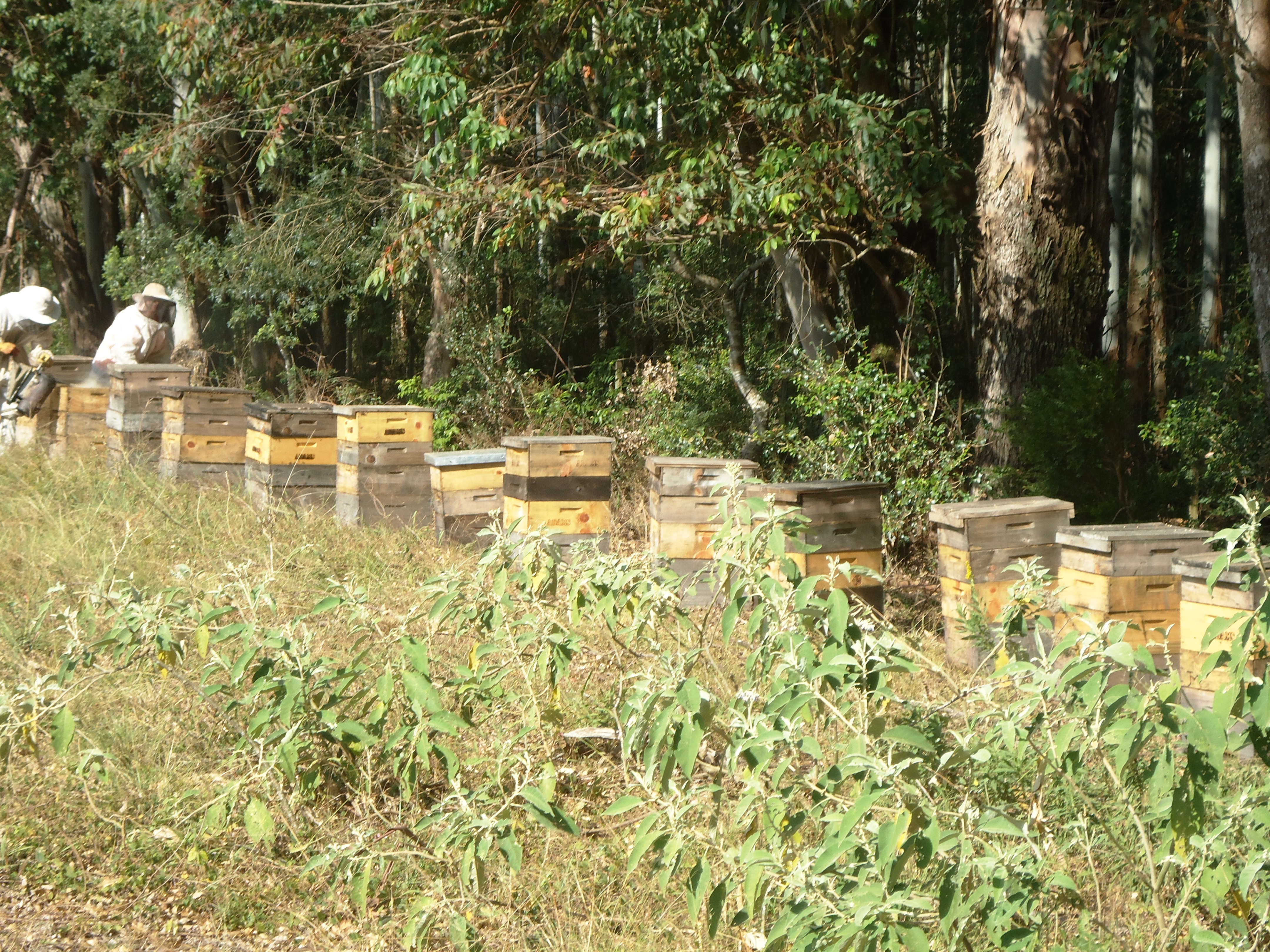
TITLE:
Monitoring the quality and health of the apiaries through the analysis of their products.
OBJECTIVES:
Identify potential problems in chemistry, physics, microbiology and botanical quality of the principal hive products such as honey, pollen and propolis and its risks to consumers. Identify potential health problems of the hives products, such as potential vectors of fungi and bacteria, which could cause diseases in bees. Identify and locate potential outbreaks of new diseases in bees, with sufficient time for its eradication. 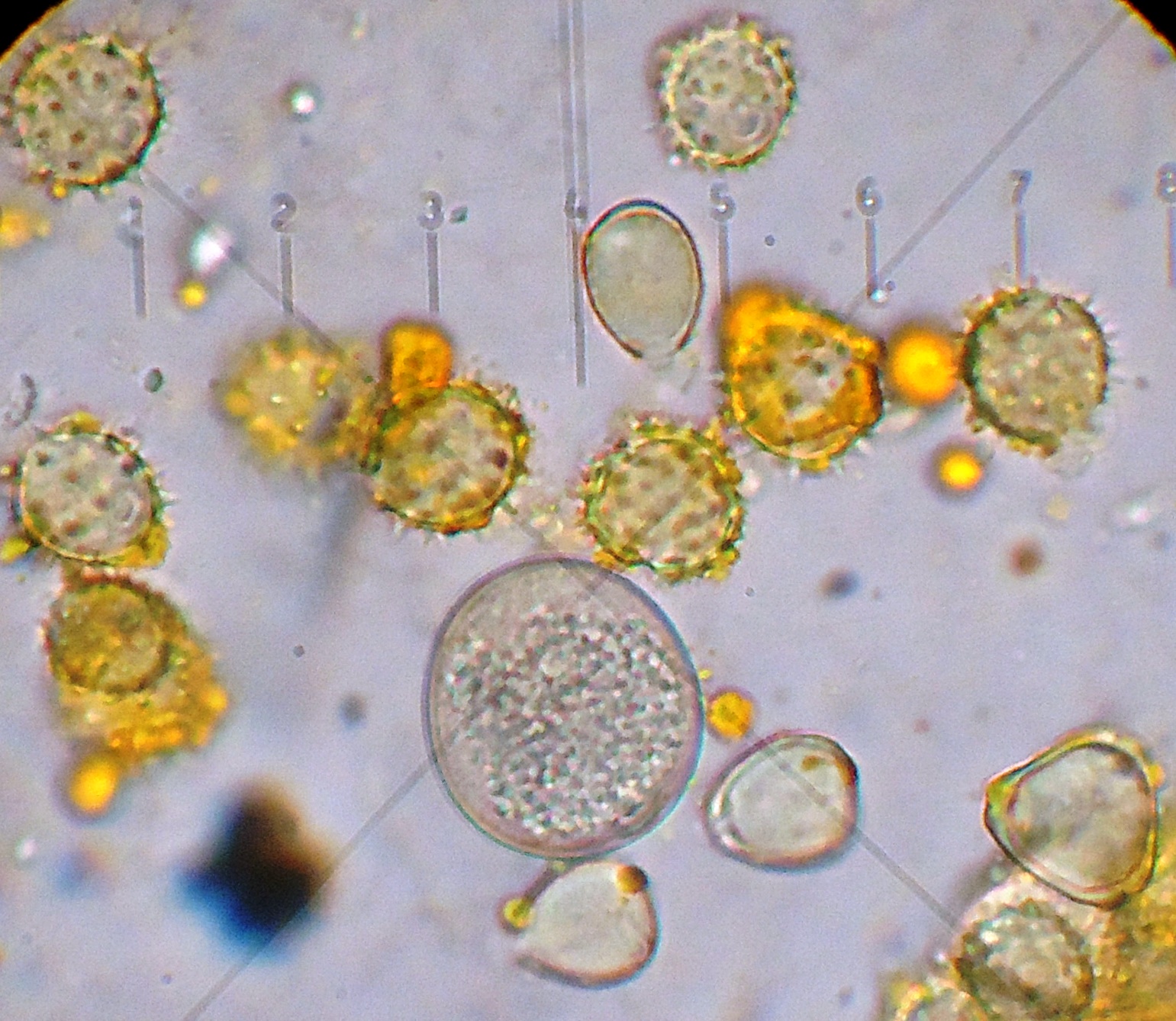
DEPARTMENT OF HORTICULTURE AND FORESTRY
Responsible professor: Paulo Vitor Dutra de Souza
e-mail: Este endereço de email está sendo protegido de spambots. Você precisa do JavaScript ativado para vê-lo.
TITLE:
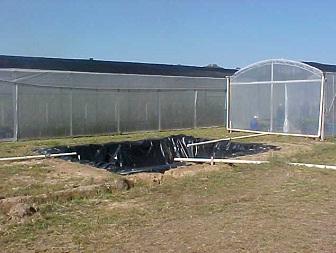
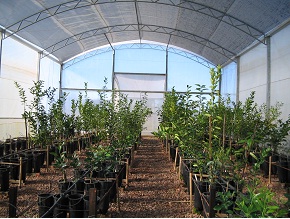
Support program for the implementation of a production system of healthy citrus seedlings for RS.
OBJECTIVES:
Study and develop technology for the production of seedlings. It involves doctoral students, master students of scientific initiation. It is also used for classes and extension courses. Started in 1999. Support: CNPq / Min Agriculture
Some photos of the experiments carried out in this project are presented below.
TITLE:
Advances in viticulture in the Central Depression of RS.
OBJECTIVES:
To develop production technologies of American and wine grapes, for the conditions of the Central Depression of RS. In addition to the research at the master's and doctoral degrees, the orchards are used for teaching purposes. Ongoing since 1998.
TITLE:
Kiwi assessments under the conditions of the Central Depression of RS.
OBJECTIVES:
Studying the productive behavior and maturation of cultivars of kiwi under the conditions of the Central Depression of RS. In addition to the investigations carried out, the orchard is used for teaching purposes. Initiated in 2005.
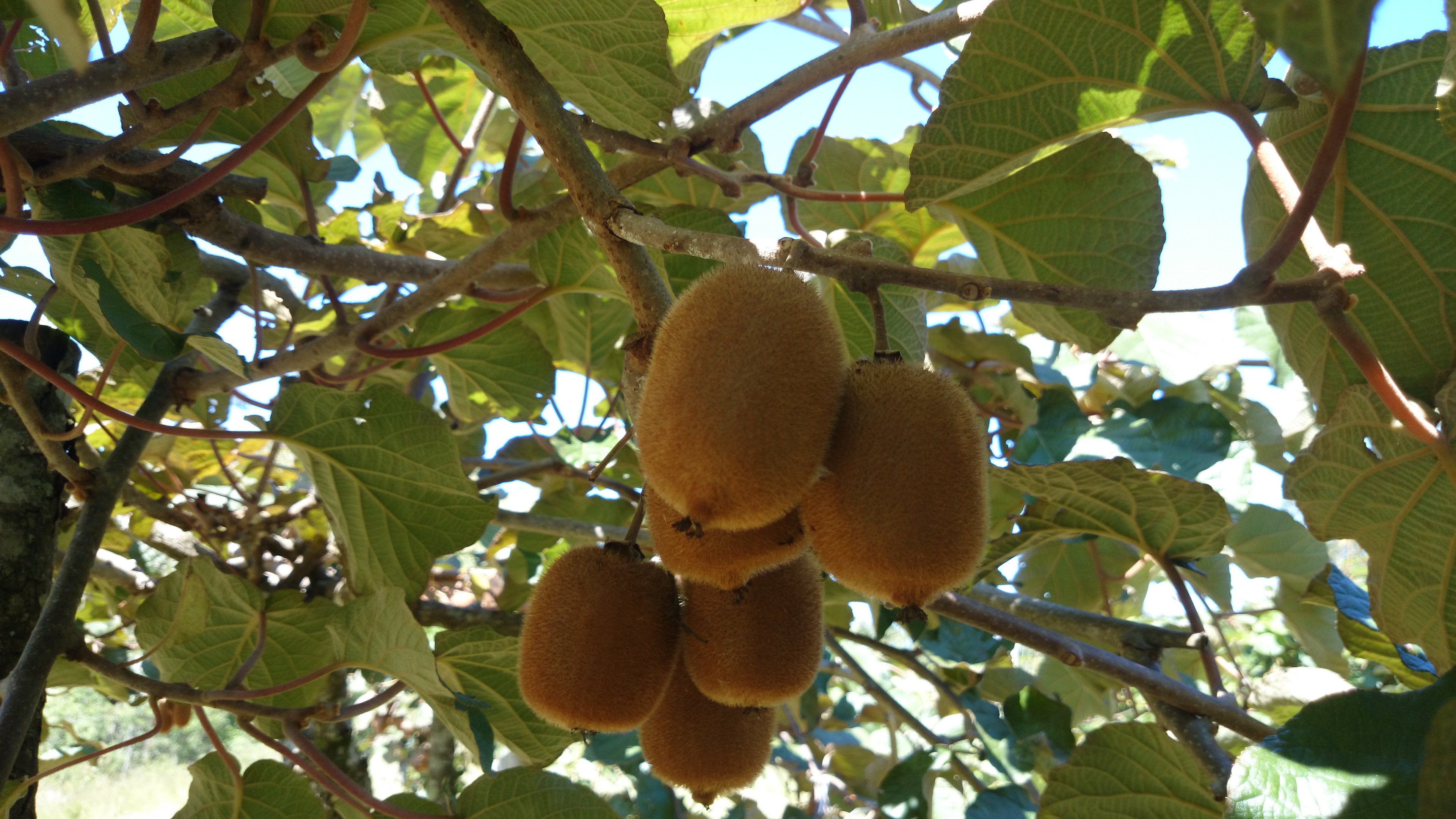
Kiwi fruit 'Elmwood'.

Kiwi Female flower varieties (productive)

Kiwi Male flower varieties (pollinators)
TITLE:
Fig trees assessments under the conditions of the Central Depression of RS.
OBJECTIVES:
Studying the behavior of cultures of Fig trees under the conditions of the Central Depression of RS. In addition to the research carried out, the orchard is used for teaching purposes. Initiated in 2010.

Collection of Fig (Ficus carica) at the EEA.
TITLE:
Potential of native fruit trees in southern Brazil: Researches of bioprospecting with phytotechnics, nutraceuticals and ecological purposes in riverside environments.
OBJECTIVES:
Extensive study of the potential of various native fruit species (especially Mirtaceae family). It involves undergraduate and graduate students. Initiated in 2010. PRONEX Project in collaboration with UFPel, UPF, FEPAGRO and Zoobotanical Foundation RS.
Support: FAPERGS / CNPq.
Responsible professor: Gilmar Arduino Bettio Marodin
e-mail: Este endereço de email está sendo protegido de spambots. Você precisa do JavaScript ativado para vê-lo.
TITLE:
Rosacea behavior: apple, peach, pear and plum in the Central Depression of RS.
OBJECTIVES:
It is an evaluation of material of low cold requirement, of regions of reduced accumulation of winter cold; relative to peach, there are more than 100 accesses (Mexico, United States - Florida and Arkansas, EMBRAPA temperate climate, IAPAR and IAC). Plum trees, dozens of accesses in Mexico, USA, IAPAR, EMBRAPA temperate climate. Initiated in 1985.

Collection of varieties of peach trees (Prunus persica) and nectarine (Prunus persica var. Nucipersica) in the EEA.
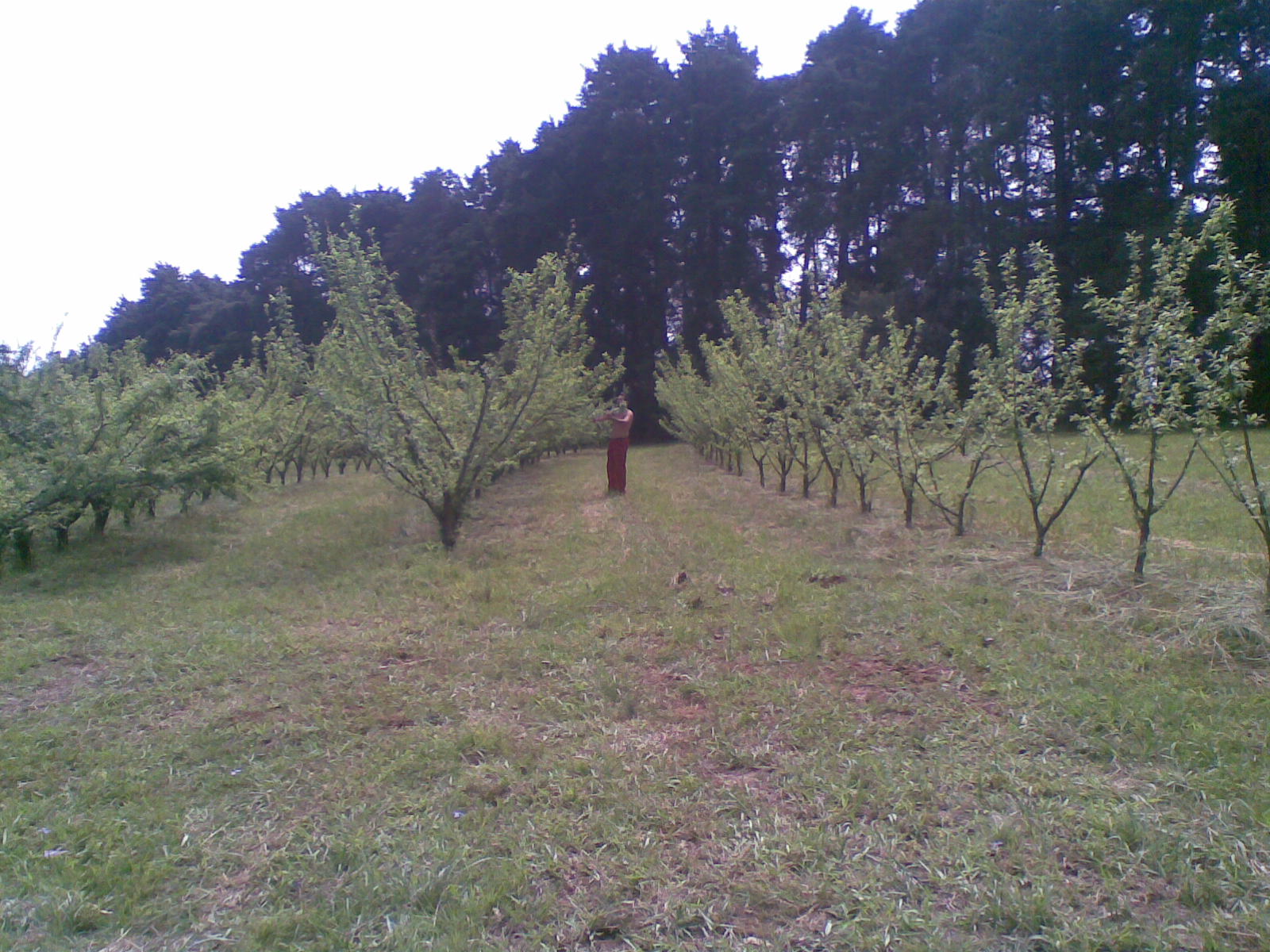
Collection of plum (Prunus salicina) in the EEA.
TITLE:
Behavior of small fruits in the Central Depression of RS.
OBJECTIVES:
It is part of the evaluation project of low cold blueberry, well as the introduction of raspberries and blackberries available in Brazil. Initiated in 2000.
TITLE:
Conduction systems for peach trees.
OBJECTIVES:
Comparing two conduction systems: 'Y' plant pot and 'Maciel' peach trees, where production is evaluated in qualitative and productive aspects. Initiated in 1999.

Peaches 'Oro B' on potted conduction in the EEA.
TITLE:
Loquat behavior in the Central Depression of RS.
OBJECTIVES:
Evaluate the productive potential, behavior against diseases and fruit quality of cultivars of loquat (Eriobotrya japonica) under the conditions of the Central Depression of RS. Initiated in 2000.
TITLE:
Peach rootstocks for replanting areas.
OBJECTIVES:
There are 6 rootstocks where two cultivars ('Chimarrita' and 'Maciel') are being evaluated on their aspects of vigor, longevity, production and fruit quality.
TITLE:
Mycorrhiza and peach production on field
OBJECTIVES:
There are 4 species are mycorrhiza inoculated into 'Maciel peach' seedlings, where plant growth, production and fruit qualityare being evaluated. Along with Professor Paulo Vitor Dutra de Souza.
Responsible professor: Sergio Francisco Schwarz
e-mail: Este endereço de email está sendo protegido de spambots. Você precisa do JavaScript ativado para vê-lo.
TITLE:
Collection of citrus varieties and species.
OBJECTIVES:
Preserve and evaluate a growing set of citrus varieties and / or species (around 100) , among these, orange trees, lemon trees, mandarin trees, lime trees, acid lime trees, pomelo trees, Grapefruit trees and hybrids, as well as several varieties of rootstock. Of great importance for educational purposes.
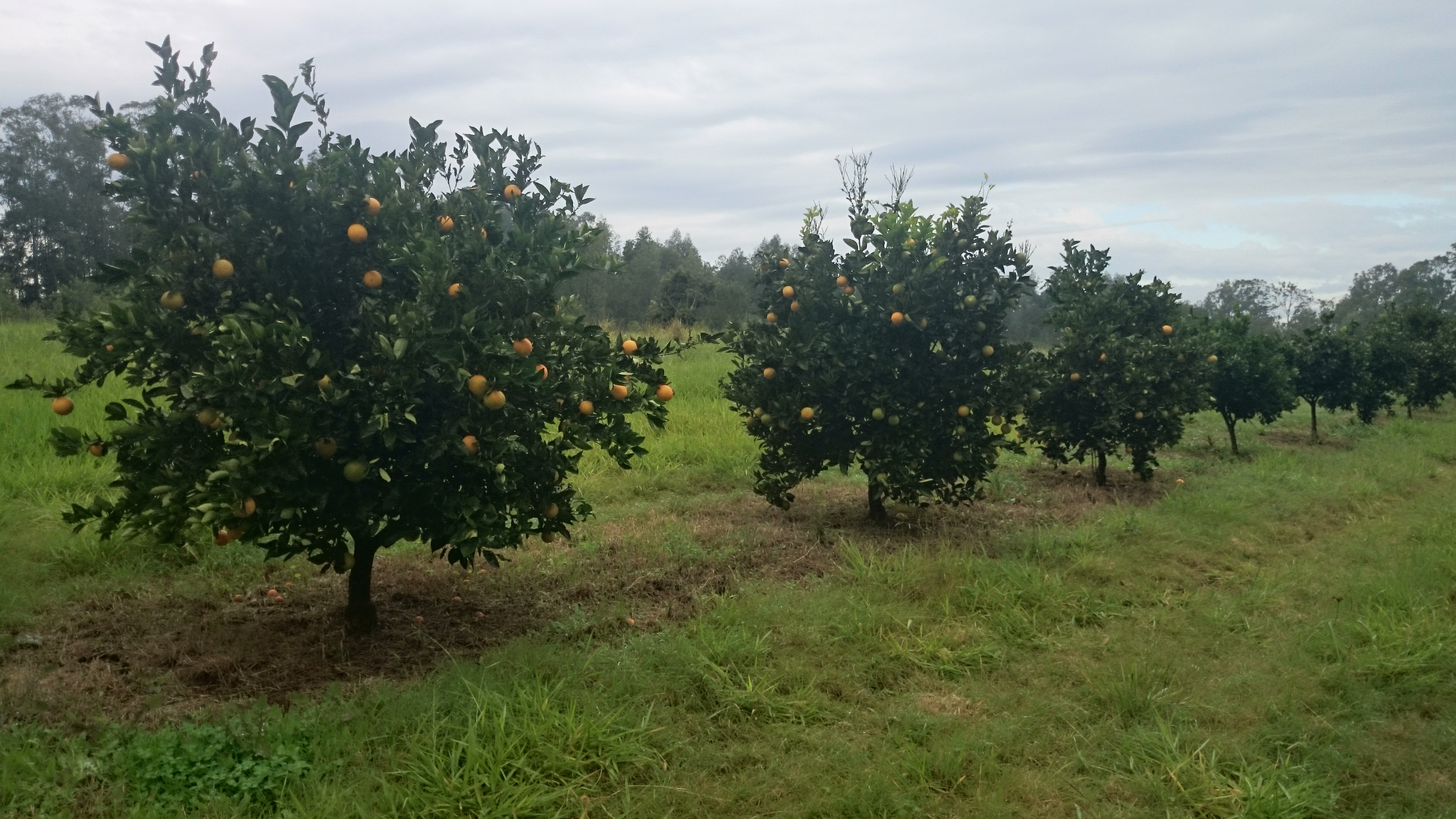
Orange trees (Citrus sinensis) from the collection of citrus in the EEA.
TITLE:
Genetic improvement of varieties of citrus.
OBJECTIVES:
Evaluation of hybrid mandarin fields, including species like Citrus deliciosa, C.Clementine, C. nobilis and open pollinated crop of 'lee' (C. Clementine X (C. tangerine X C.paradisi)). The goal is to select materials with different production times and fewer seeds.
TITLE:
Genetic improvement of varieties of citrus rootstocks.
OBJECTIVES:
Citrandarins evaluation (Poncirus trifoliata X C. reshni) and other for hybrid rootstock selection purposes, linked to the exploration of materials resistant to gummosis (Phytophthora).
TITLE:
Collection of persimmon varieties
OBJECTIVES:
Preserve and evaluate a set of varieties of persimmon (Diospyrus kaki ) Two different existing groups. Besides the researchers conducted at the level of master, the orchards are used for educational purposes.
TITLE:
Collection of avocado trees varieties and matrix
OBJECTIVES:
Preserve and evaluate a number of varieties of avocado trees (Persea americana), apart from this, these orchards serve as a source of propagation material to produce seedlings. The orchards are also used for teaching purposes. Along with Professor Paulo Vitor Dutra de Souza.
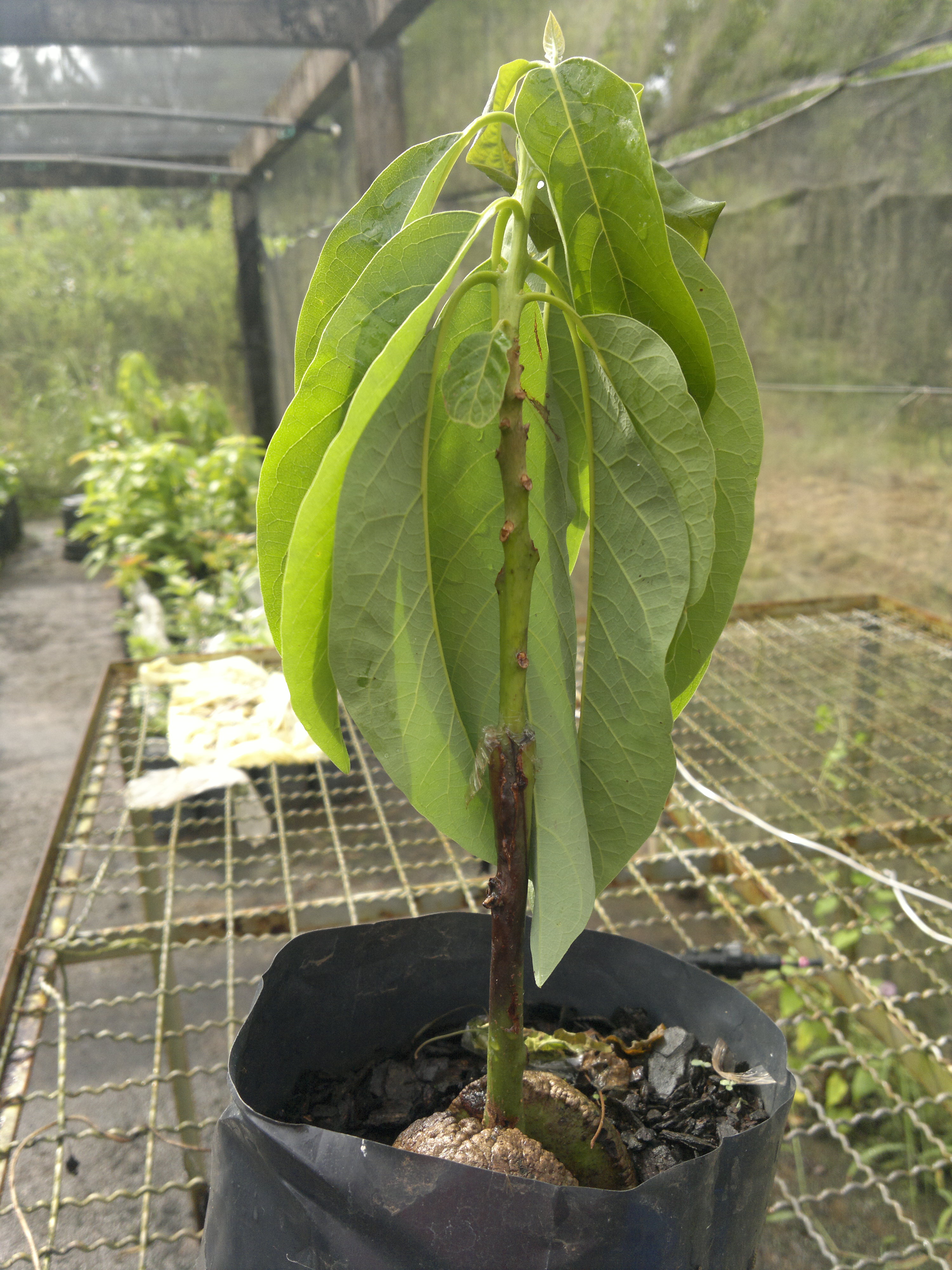
Seedling from copolymer avocado (Persea americana) produced in the EEA.
Responsible professor: Claudimar Sidnei Fior
e-mail: Este endereço de email está sendo protegido de spambots. Você precisa do JavaScript ativado para vê-lo.
TITLE:
Evaluation of Butia odorata plant growth in culture
OBJECTIVES:
Butia odorata (Barb.Rodr.) Noblick palm is a native palm of southern South America. It is an important regional genetic resource, not only for the potential exploitation of its fruits for fresh consumption and industry, but also for its increasing use in landscaping. Commercial propagation of B. odorata is hampered by the lack of accurate information on the production of seedlings and development of plants on field.The Department of Horticulture and Forestry of the Faculty of Agronomy has developed work with germination and seedling production of 'butiazeros' as well as field crop plants. In October 2011 an experiment in Agronomic Research Station of UFRGS was installed, whose main objective is to monitor the field behavior of Butia odorata plant, native of different provenances (access) and subjected to different fertilization of seedlings in the last phase before sowing. Moreover, the object of study is also to know the youth period of the species, considering the cultivation on intensive plant breeding conditions.A collection of accesses from the genus Butia is also being installed in order to support future improvement work.
i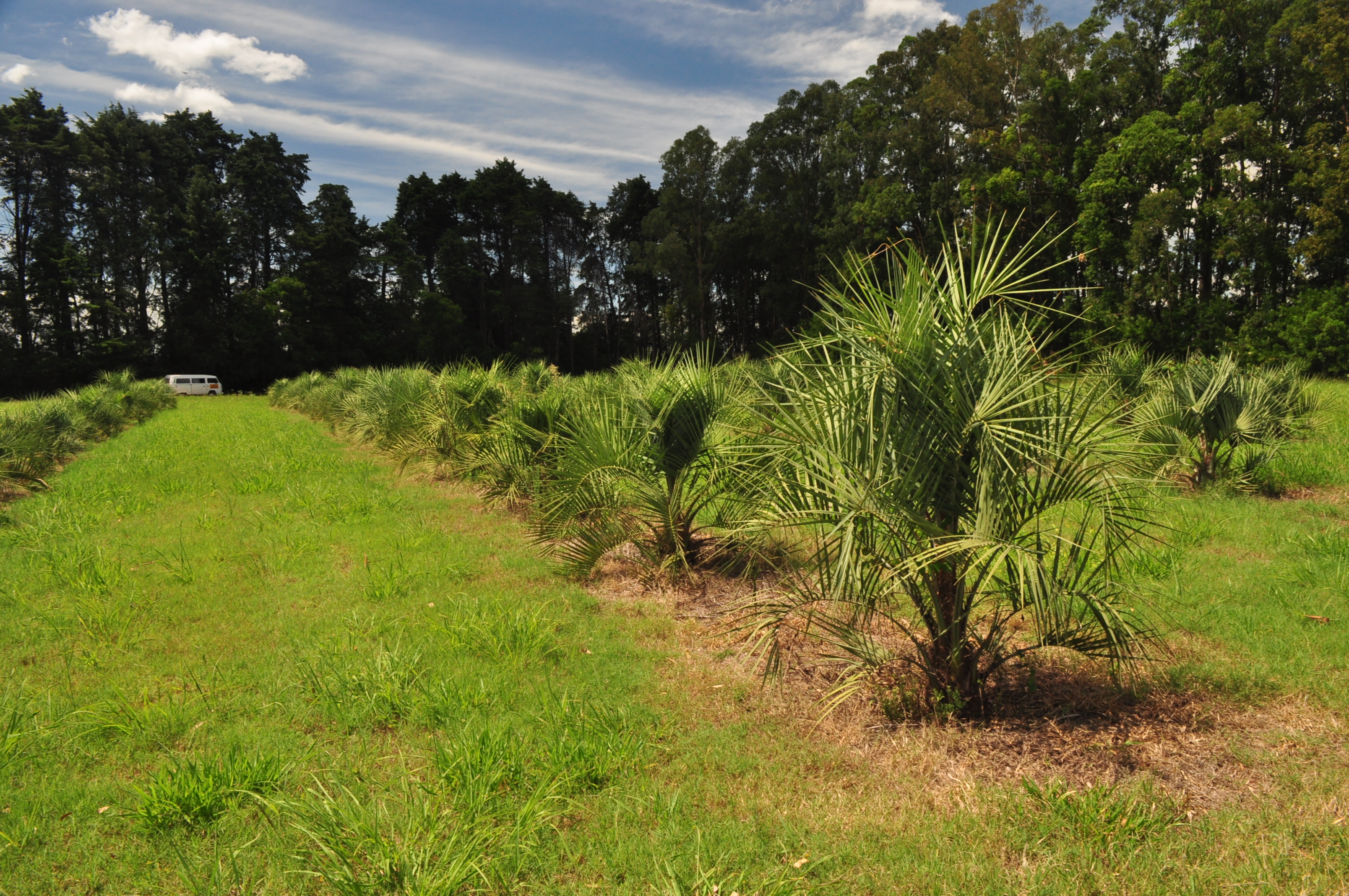
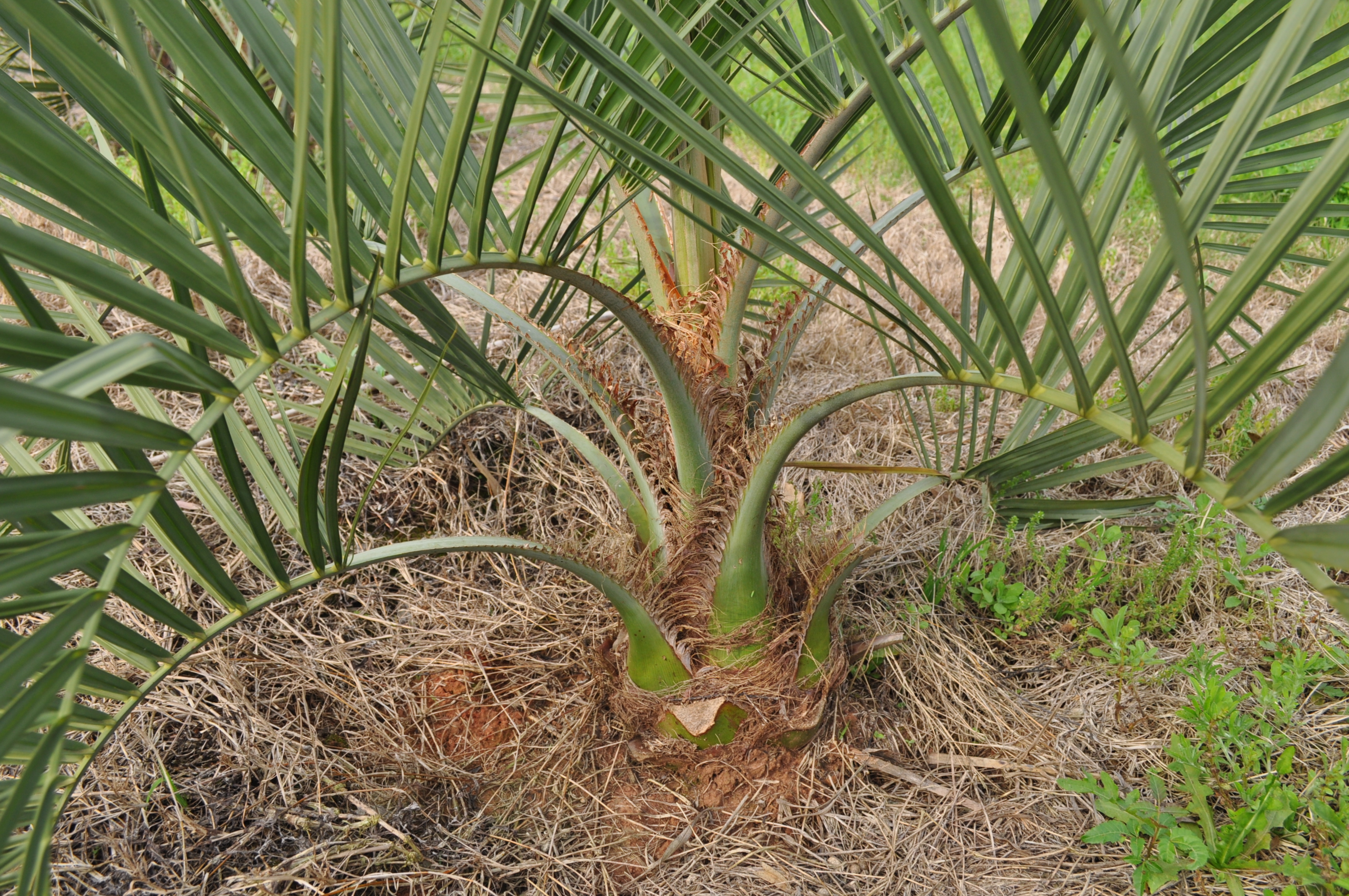
Butiazeros (Butia odorata) in the EEA.
TITLE:
Evaluation of Bracatinga growth in the Central Depression of RS.
OBJECTIVES:
The bracatinga (Mimosa scabrella Benth) is a legume tree species (Fabaceae), native to Brazil, which grows in regions of cold climate. Being a pioneer species, it is mainly found in secondary forests, where it can form dense and almost pure clusters, characterizing the vegetation where it is produced. The plant is characterized by quick growth, compared to other native species. In addition to its high productivity, it is a species that has an extraordinary capacity for natural regeneration, combined with the facility of definitive population implementation of them by direct seeding. It has great economic importance as it interacts with agricultural production by intercropping with annual crops, besides having a high energy potential, serving as fuel and raw material for charcoal. It is projected in the timber market mainly as feedstock in the manufacture of plates agglomerates, laminates, boxes, wood industrial coils, ceilings, floors, wood paneling, anchors for the construction industry and the manufacture of paper pulp. In addition to this, its flowers play an important role in beekeeping, honey producing a highly nutritious and are also very suitable for the recovery of degraded areas.The Department of Horticulture and Forestry from the Faculty of Agronomy has conducted seedlings production works and plant development studies of bracatinga the field. In October 2013 it was established a population of three different origins, who are having their growth monitored to assess growth and wood production of this species in cultivation in the Central Depression of Rio Grande do Sul. 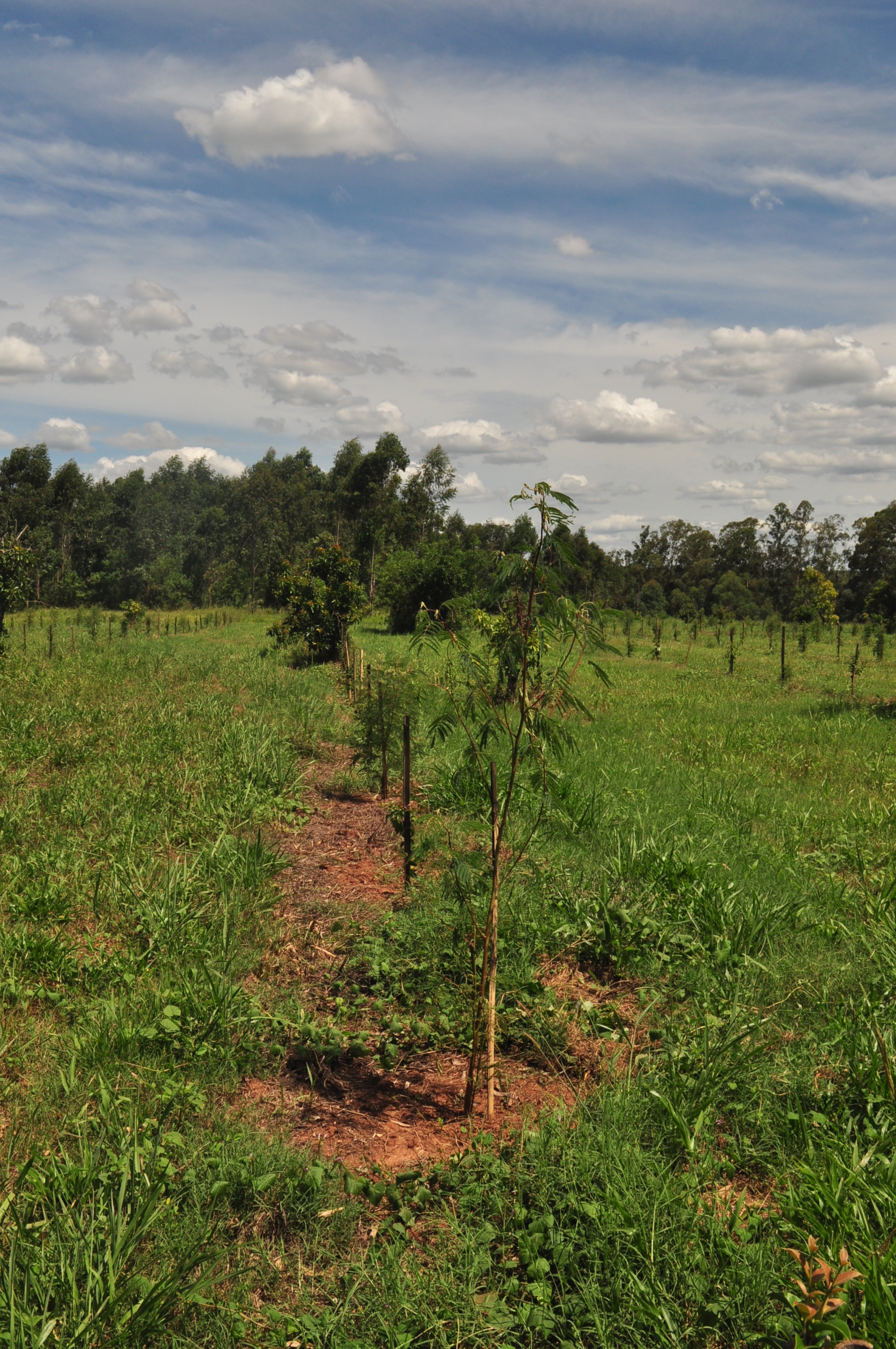
Bracatinga (Mimosa scabrella) na EEA
TITLE:
Evaluation of Australian Cedar growth in the Central Depression of RS
OBJECTIVES:
The Australian cedar (Toona ciliata M. Roemer) is a tree species of the family Meliaceae native to Australia, which has been introduced to Brazil, where it found the conditions of soil and climate favorable for its development. The characteristics of the wood are similar to the native cedar (Cedrela odorata and C. fissilis). Its main advantage, regarding to Brazilian cedar, is its resistance to the shoot borers attacks (Hypsipyla grandella), a pest that attacks the apical bud of the species of this family.It has in its leaves substances whose essence is used in cosmetics and perfumery. Australian cedar plantation in Brazil has been considered a worthwhile investment for producers, hardwood being widely used, such as in the construction of quality furniture, on boats, in the production of plywood, veneer wood, interior ornaments, woodwork, musical instruments, boxes and crates, among others.
In October 2013 it was established a population of Australian cedar in the Agronomic Experimental Station of the Faculty of Agronomy in order to evaluate the growth and production of wood of this species in cultivation in the Central Depression of Rio Grande do Sul.
.

Australian cedar (Toona ciliata) in the EEA.
DEPARTMENT FORAGE PLANT AND AGROMETEOROLOGY
Responsible Prof. Michael Dall'Agnol
e-mail: Este endereço de email está sendo protegido de spambots. Você precisa do JavaScript ativado para vê-lo.
TITLE:
Agronomic characterization and evaluation of forage quality of genus Paspalum hybrids.
This study aims to determine the genetic potential, the stability of production and evaluation of the adaptability of interspecific hybrids from crosses between Paspalum plicatulum x Paspalum guenoarum. In addition to exploring the genetic potential of the genus Paspalum, to characterize the magnitude of expression of the characteristics of forage interest in different environments.To relate characteristics of agronomic importance of these species through evaluations of persistence and forage production for selecting genotypes with important features preserved in apomitic reproduction mode. Estimating quantitative genetics techniques through the heritability, the relationship between characters of forage importance in species of the genus Paspalum. And disclose the results in technical and scientific journals and conferences where they can be presented through posters, full papers and/or abstracts. 
TITLE:
Genetic improvement through hybridization between species P. guenoarum, P. Lepton and P. plicatulum.
OBJECTIVES:
To characterize and evaluate forage production of access of the genus Paspalum and then select superior hybrids based on genetic variability, generated by the interspecific artificial hybridization within the group Plicatula, in order to select plants reproductively stable and of sexual reproduction for new crosses and plants with agronomic apomitics characteristics.

TITLE:
Evaluation of Superiors Hybridof Paspalum guenoarum x Paspalum plicatulum
OBJECTIVE:
To relate characteristics of agronomic importance on these species, through evaluation of persistence and forage production, for selecting superior genotypes with important features conserved by the apomítica reproduction mode. To explore and determine the genetic potential and stability of production of interspecific hybrids from crosses between Paspalum guenoarum x Paspalum plicatulum,characterizing the magnitude of expression of the characteristics of forage interest in presence of competition. 
TITLE:
Agronomic evaluations on intraspecific hybrids of Paspalum notatum.
The work aims to characterize and evaluate forage production, quantitatively and qualitatively, of intraspecific hybrids of Paspalum notatum in two physiographic regions of Rio Grande do Sul. The assessments are made by cuts periodically made where leaf production, stem and inflorescence are measured for the subsequent selection of the best genotypes.
TITLE:
Agronomic characterization of genotypes and intraspecific hybrids of Paspalum notatum 'Flügge' in response to nitrogen fertilization and evaluation of aluminum tolerance in nutritive solution.
This study aims to provide information on the agronomic characterization of intraspecific hybrids and selected genotypes of Paspalum notatum in response to nitrogen fertilization and photoperiod; evaluating and selecting plants of P. notatum in solution with aluminum tolerance.


TITLE:
Agronomic evaluation of progeny from cross-pollination of white clover
In this experiment, the production of dry matter of 22 progenies and two selected populations of white clover in consortium with Italian ryegrass (annual ryegrass), were evaluated during 2008 and 2009. With the aim of characterizing agronomic lines, while continuing the development during the summer and the second year of production, to select more productive and persistent genotypes to hydric stress.
TITLE:
Agronomic performance of synthetic populations of white clover.
The experiment aims to agronomically evaluate two synthetic populations of white clover that were selected in the DPFA, for the production of dry matter and persistence to hydric stress. Synthetic populations will be compared with three other populations selected in the DPFA (Jacuí, Guaíba and UFRGS-2004), CPPSUL selected in EMBRAPA Pecuaria Sul and cultivar Uruguayan Zapicán.
Responsible: Prof. Paulo César de Faccio Carvalho
e-mail: Este endereço de email está sendo protegido de spambots. Você precisa do JavaScript ativado para vê-lo.
TITLE:
The grazing sound: bioacoustics development to describe and quantify the intake process in pastoral environments (Lidiane Fonseca)
OBJECTIVES:
1. To relate the acoustic characteristics of the mandibular movements with forage intake parameters;
2. To define the acoustic characteristics (frequency, intensity, duration and interval between events) that will identify the mandibular movements (bite, chewing, manipulation and chewing composed movements + bite) in an automated way;
3. To propose an innovative acoustic method to analyze the feeding behavior, with the possibility of estimating the level of forage intake by cattle;
4. Training of human resources through interaction with centers of excellence, and promote integration among researchers, knowledge areas and institutions.
5. To strengthen the internationalization of the research network extended to the postgraduate Program in Zootechnics at UFRGS.
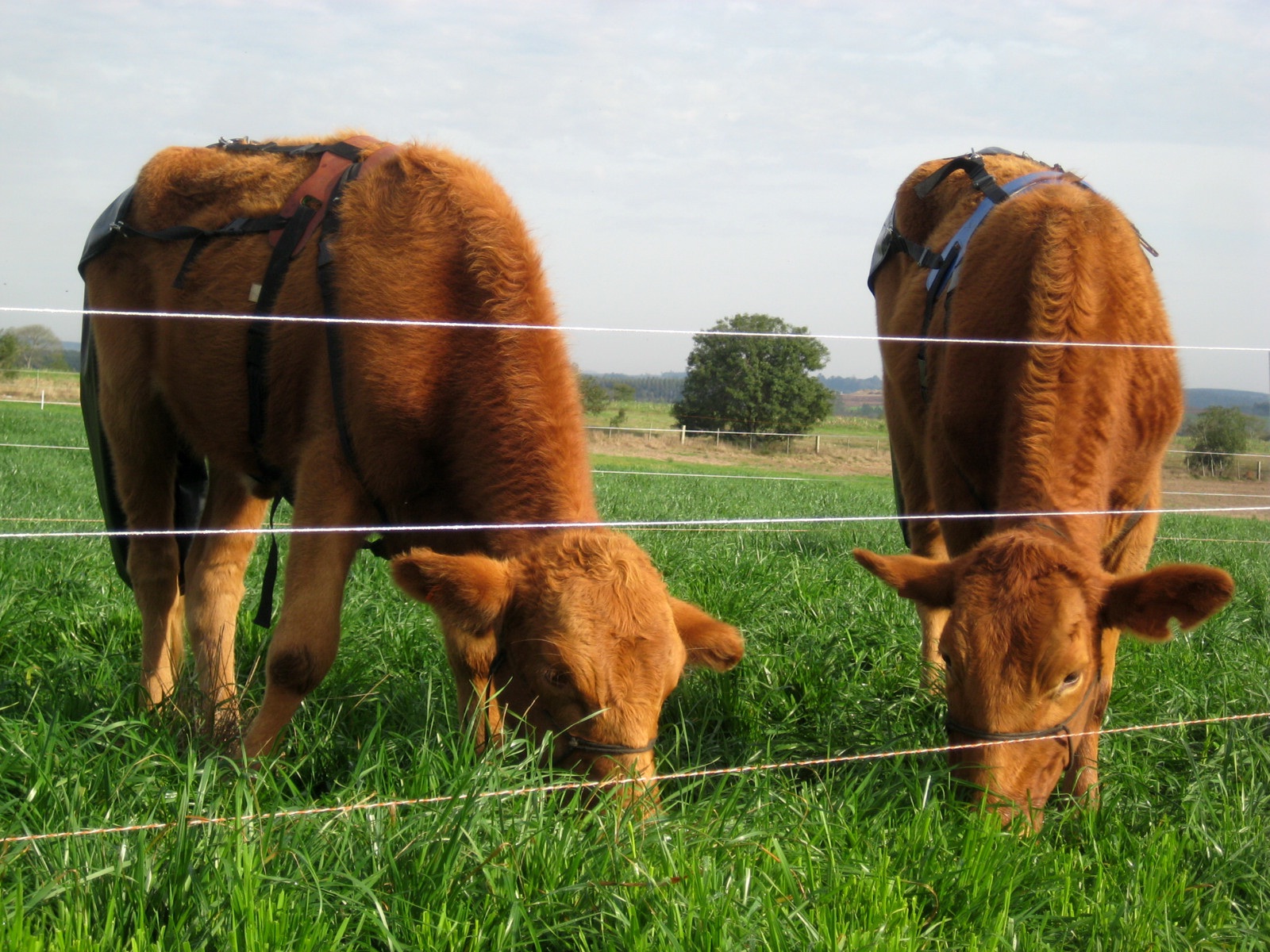
Some photos of the experiments carried out in this project are presented below.

TITLE:
Ingestion strategy of heifers on the 'nativão' with various offers of grasses (Olivier Bonnet)
OBJECTIVES:
The objective of this work is to understand how large herbivores (heifers) use high heterogeneous and relatively low quality pastures to constitute the ingestion of these. This project explores the issues of selectivity and spatial and temporary organization of the intake to test different models of feeding strategy. Using various offerings of grass with different structure lets one explore how animals adapt their strategy on availability variations.
Some photos of the experiments carried out in this project are presented below.
TITLE:
Forage intake and Methane Gas Emission by Beef Cattle in Native Pasture (Ian Machado)
OBJECTIVES:
To promote and optimize the sustainable use of native grasslands of Pampa biome; to encourage interdisciplinary research between groups (UFRGS, EMBRAPA, Universidad Nacional del Centro de la Provincia de Buenos Aires-UNICEN). Training and development of human resources (researchers and undergraduate and graduate).
There is a photo of the experiments carried out in this project shown below.
TITLE:
Soybean and maize on the cropping-livestock integration systems: consequences in the establishment and in the durability of the soil seed bank of Italian ryegrass (annual ryegrass) (Armindo Barth Neto, doctoral studentat the Universidad Federal de Paraná)
OBJECTIVES:
· To determine which summer soy and maize crop residues has greater influence over the provision and release of nitrogen for forage mass and stem density for grazing;
· To determine what summer crop residues have a greater negative effect on the establishment of annual ryegrass; To identify the strategies adopted by plants to overcome physical and chemical barriers, imposed by the straw in different grazing methods and grazing intensities;
· Determine if there is a need for nitrogen specific fertilization management depending on the amount and quality of the waste on the soil;
· Determine the nitrogen balance of summer crops and their interference in the establishment of the pasture.
· Determine the durability of the soil seed bank of annual ryegrass.
Some photos of the experiments carried out in this project are presented below.
TITLE:
Methane emission by lambs in crop-livestock integration system
OBJECTIVES:
To evaluate dry matter intake and methane emissions by sheep grazing annual ryegrass subjected to two grazing intensities (low and moderate) and two grazing methods (continuous and rotational) in crop-livestock integration system.
TITLE:
Evaluation of morphological and structural aspects of ryegrass pastures (Lolium multiflorum Lam.) under different management strategies (FRANCISCO RONDON mosque).
OBJECTIVES:
This study aims to assess the impact on nutrient intake and structure of ryegrass (Lolium multiflorum) under different management. Treatments: fixed height 20 cm, lowering equivalent to 40% of the initial height of the canopy; intervals between the fixed grazing 30-day, lowering the equivalent to 40% of the initial height; and the fixed grazing interval of 30 days with full lowering and fixed output height of 5cm.



TITLE:
Recovering natural grasslands degraded by overgrazing.
OBJECTIVES:
Grasslands represent the main terrestrial ecosystem, comprising about 70% of the agricultural area and 20% of carbon stocks (FAOSTAT, 2009). The degradation of this important life resource on the planet increases annually, with overgrazing as the main cause (Oldeman, 1994), manifesting itself by the loss of vigor, productivity and natural resilience of forage plants to keep production levels and the quality required by the animals.In the southern fields, overcapacity generally used in the management of pastures is one of the most disturbing and threatening phenomena of this natural resource (Bilenca and Miñarro, 2004). As a result, many of the environmental services provided by these ecosystems, such as carbon sequestration, maintenance of water flow and quality, conservation of the diversity of flora and fauna, which could act as mitigating global environmental problems current, cease to be effective. According to Nabinger et al. (2012), controlling the intensity of grazing management is the key factor that allows an increase in animal production and profitability as the recovery of environmental services.
For this we have developed a research project based on the hypothesis that the deferment of grazing and the correct adjustment of stocking rate are the strategies for recovering degraded pastures, allowing improvements in soil properties, plants reserve accumulation and increased participation of plant species preferred by animals. The experimental protocol has been implemented in the natural grazing and have been handled in forage offers 4% (all year) and 12.8% (8% in spring and 12% in other seasons) for over 10 years.
On both offers three treatments have been applied: 1) spring deferral; 2) fall deferral; 3) without deferral. A completely randomized design with three replications has been used, and the experimental units were established in plots of 120m2 (15x8m) arranged inside pickets with superior area in which offers adjustments have been made , leaving the animals free access to each. The project started in November 2011 and, for this study, will continue until December 2013, totaling two years of evaluation.
The variables that describe the quality of the environment are being evaluated, having as objectives: to determine ecosystem processes and to relate to processes-model; integrate biological, physical and chemical soil properties and the respective processes; detect changes in the botanical composition and forage related to the functionality and resilience of the fields in studies. The vegetation is evaluated biweekly regarding light interception, forage biomass and height of the grass; and every season botanic and phytosociology is done. On the floor, the index of carbon management, water storage capacity, biomass and diameter of roots, aggregate stability, chemical analysis, microbial biomass and seed bank are seasonally evaluated; through which it will be generated an index of soil quality.


Responsible professor: Lucia Brandão Franke
e-mail: Este endereço de email está sendo protegido de spambots. Você precisa do JavaScript ativado para vê-lo.
TITLE:
Seed production in interspecific hybrids of Plicatula group: Paspalum plicatulum × Paspalum leptone,Paspalum guenoarum×Paspalum plicatulum.
Research line: Ecology, Seed Production and Technology
Several studies have shown the greatest potential for forage production Plicatula group species compared with genotypes of Notata and Livida group. An example is the case of P.leptones and P. guenoarum, which expressed higher performance compared with the species P. notatum, P. urvillei, P. lividum (Steiner 2005; Sawasato 2007 Townsend, 2008).Most species of the genus Paspalum have apomixis as reproductionmode, which involves genetically homogenous populations (QUARIN and Norrmann 1990). However, the use of hybridization, when one of the genitors has sexual reproduction, can generate variability and enable selection of progeny of elite, immediately setting the characteristics of interest because of the apomixis (Rodrigues et al., 2003; Acuña et al, 2009). The objective of this work is to generate basic information about the production potential of intraspecific hybrid seeds of the genus Paspalum - Plicatula group by evaluating the components of seed production.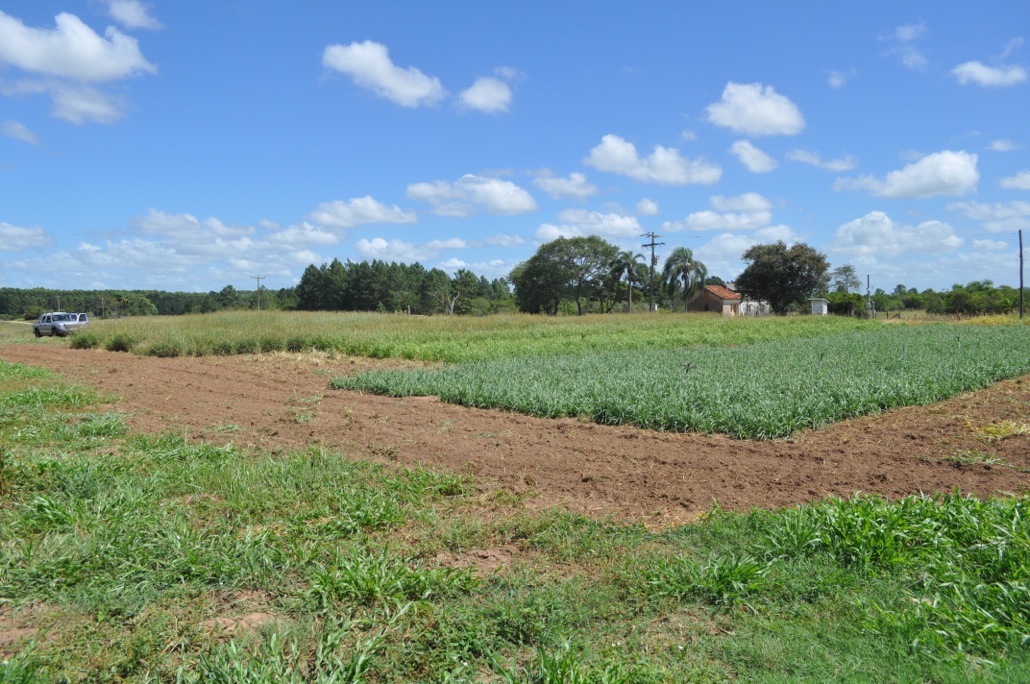
TITLE:
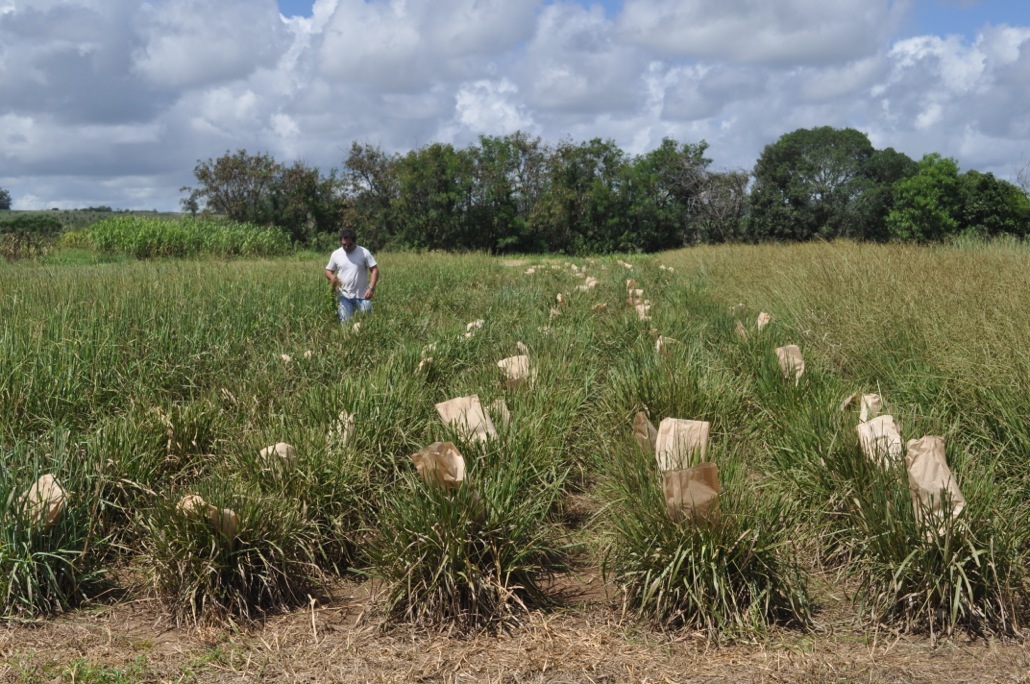
The production and quality of seeds of Paspalum guenoarum Arech. Ecotype "Baio" subjected to different frequencies of cuts and nitrogen doses.
Research line: Ecology, Seed Production and Technology
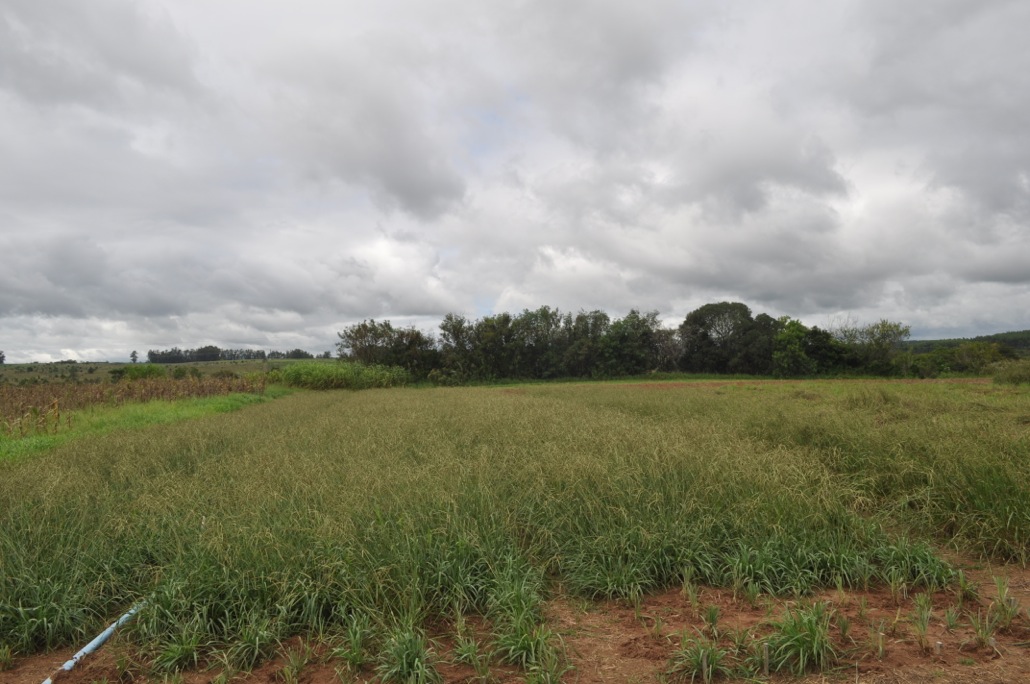
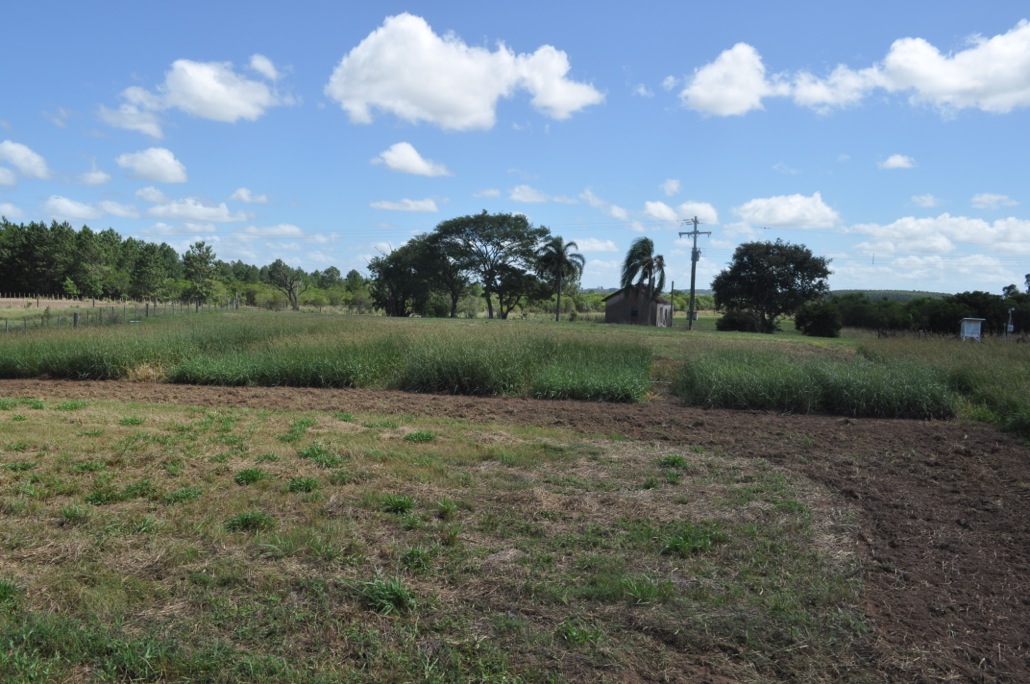
P. guenoarum genotypes, Baio and Azulão, native of Rio Grande do Sul tested regarding the production of dry matter, achieved significant values of total dry matter production (MST), 18.243 and 18.560 kg of MST / ha, respectively (Steiner, 2005), which demonstrates the productive potential of native species, reaching higher levels of production of tropical species such as Panicum maximum (MST 16,600 kg / ha) (Cecato et al., 2000).The management through cuttings and nitrogen fertilization is a means which producers may use to standardize the production of grass seed, in addition to increasing performance. The objective of this work is to generate information on the potential production of seeds of Paspalum guenoarum Arech. Ecotype "Baio"native to Rio Grande do Sul, through the effect of cutting frequency and nitrogen fertilization over production and quality of seeds.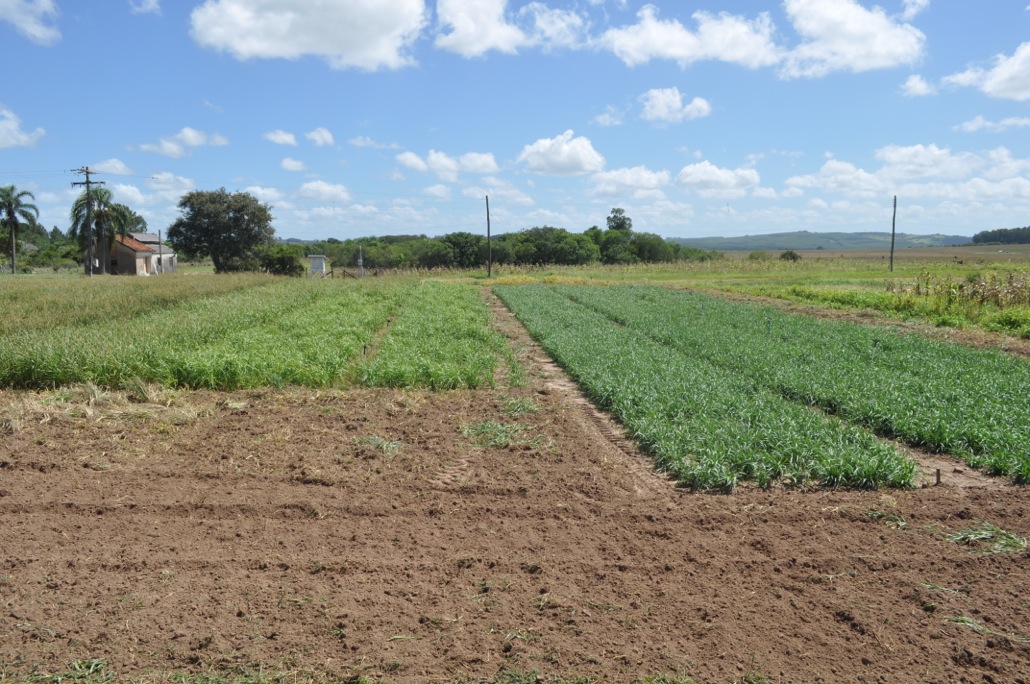

Responsible professor: Denise Cybis Fontana
e-mail: Este endereço de email está sendo protegido de spambots. Você precisa do JavaScript ativado para vê-lo.
TITLE:
ACQUISITION OF SENSORS OF AIR AND TERRESTRIAL PLATFORMS FOR THE INTEGRATION OF RESEARCH OF PPGSR.
The project was approved within the call PRO- EQUIPAMENTO in 2013, under the coordination of Prof. Dr. Denise Cybis Fontana. Besides PPGSR (Graduate Program in Remote Sensing), it also takes part of the project the PPGFITO (Graduate Program in Phytotechnics), the PPGGEA (Graduate Program in Geography) and PPGEC (Graduate Program in Civil Engineering).The main acquisition of this project has been an unmanned aerial vehicle (UAV), which is a slight aircraft, destined for applying monitoring, reconnaissance and surveillance operations in which the versatility and ease of operation and transportation represent a decisive factor for success. The equipment was purchased, it is already in the facilities of the UFRGS, and the next stage of the project is to conduct a training course for operating it. This course will be held during the period 9-13 June, and consists of theoretical and practical classes. All the practical training of UAV operation will occur in the EEA / UFRGS 11 and 12 for a group of 10 people, in which teachers and graduate students will participate.
DEPARTMENT OF CROP PLANTS
Responsible professor: Ribas Antonio Vidal
e-mail: Este endereço de email está sendo protegido de spambots. Você precisa do JavaScript ativado para vê-lo.
SUB-PROJECT TITLE:
Impact of morpho-physiological and environmental conditions in the action of herbicides (Project: Factors affecting the activity of herbicides).
OBJECTIVES:
Understanding the eco-physiological fundamentals impacting the survival and competitiveness of weeds after herbicide application and the effect on productivity and profitability of crops.
Some photographs taken of the project are presented below.
Leaf surface of Avena spp plants

Researchers at the Center for Electron Microscopy UFRGS
Responsible professor: Aldo. Merotto Jr
e-mail: Este endereço de email está sendo protegido de spambots. Você precisa do JavaScript ativado para vê-lo.
TITLE:
Population dynamics and evaluation of methods for weed control.
OBJECTIVES:
- To evaluate the selectivity and efficiency of methods for weed control in crops for soybeans, maize, grasses and winter cereals.
- To estimate the environmental impact of the main methods of weed control in crops for soybeans, maize, grasses and winter cereals.
- To evaluate the effect for control methods on the population dynamics of major weeds infesting cultures of RS.
Responsible professor: Christian Bredemeier
e-mail: Este endereço de email está sendo protegido de spambots. Você precisa do JavaScript ativado para vê-lo.
TITLE:
MANAGEMENT OF NITROGEN FERTILIZATION ON WHEAT FOR HIGH PRODUCTIVITY AND QUALITY OF GRAIN
OBJECTIVES:
This project aims to offer a new alternative in the management of nitrogen fertilization and adjust nitrogen rates applied at planting and the coverage for higher wheat production and to evaluate potential in times of application of these nutrients that increase the technological quality of grain. In addition, it aims to test the potential for remote sensing techniques used to identify the spatial variability of the protein grains still in the fields and in the estimation of its quality.
TITLE:
NITROGEN MANAGEMENT IN WHEAT CROP ASSOCIATED WITH THE USE OF INOCULATION WITH AZOSPIRILLUM BRASILENSE
OBJECTIVES:
Evaluating the difference in plant growth according to the availability of nitrogen provided by chemical fertilizers and biological nitrogen fixation; assess biomass production of the aerial part to identify possible responses to inoculation according to nitrogen deficiency, and correlate this data with productivity; assessing the nutritional status of plants nondestructively through chlorophyll reading and canopy reflectance, identifying what is the best dose of nitrogen to apply together with the use of inoculant.
TITLE:
EFFICIENCY INCREASE ON THE USE OF NITROGEN ON BARLEY AND WHEAT CROP BY THE LOCATED MANAGEMENT TECHNIQUES
OBJECTIVES:
This project aims to offer a new alternative in the management of nitrogen fertilization on wheat and barley. In highly technical crop, the advent of this technology is a proposal to rationalize the use of agricultural inputs and thereby reducing production costs and environmental impacts. Another aim is to characterize the intensity of the spatial variability of the different variables of the plant and grain yield in commercial and experimental crops of wheat and barley into two physiographic regions of Rio Grande do Sul (Planalto Medio and Central Depression). It also aims to verify the effectiveness of the radiometer "Green seeker" to capture these spatial variations.
Responsible Prof. Paulo Regis Ferreira da Silva
e-mail: Este endereço de email está sendo protegido de spambots. Você precisa do JavaScript ativado para vê-lo.
TITLE:
Development of management practices for high productivity of maize grain in the region of the Central Depression of RS.
OBJECTIVE:
To develop and adapt management practices for high productivity of maize grain, towards the competitiveness and sustainability of maize.
TITLE:
Management to increase the efficiency of nitrogen fertilization in irrigated maize.
OBJECTIVES:
1. Evaluation of N losses by volatilization from the use of urea with urease inhibitor and irrigation management after application of nitrogen fertilizer on maize.
2. Quantification of N leaching losses because of excessive precipitation fluvial after applying nitrogen fertilizer on maize.
3. Determination of the best period to apply nitrogen fertilizer irrigated maize coverage, in succession to white oat.
4. Determining the best time of oatmeal dry with white winter ground cover for the maize irrigated in succession.


Responsible Professors: Luiz Carlos Federizzi, Marcelo Teixeira Pacheco and Itamar CristianoNava
e-mail: Este endereço de email está sendo protegido de spambots. Você precisa do JavaScript ativado para vê-lo.; Este endereço de email está sendo protegido de spambots. Você precisa do JavaScript ativado para vê-lo.; Este endereço de email está sendo protegido de spambots. Você precisa do JavaScript ativado para vê-lo.
TITLE:
Genetic improvement program for oats.
OBJECTIVES:
The program aims to develop oat germplasm/ crops adapted to the subtropical conditions of Brazil. To conduct genetic studies and to train undergraduate and graduate students on genetic improvement of plants techniques.
Some photos of the work in the projects are presented below. 


DEPARTMENT OF SOIL
AGRICULTURAL MECHANIZATION
Responsible Professor: Renato Levien
e-mail: Este endereço de email está sendo protegido de spambots. Você precisa do JavaScript ativado para vê-lo.
TITLE:
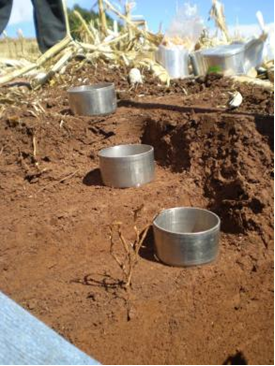
Physical-mechanical properties of soil types under different tillage, cultivation, crop rotation and traffic conditions.
OBJECTIVES:
To evaluate the main physical-mechanical properties of soils to form a database that will serve for the correct dimensioning of loads applied to the soil, power needed for mobilizing the ground, with the aim of saving fuel and energy in the agricultural production system.
TITLE:
Controlled traffic of machines on direct sowing acreages.
OBJECTIVES:
To evaluate, on long term, the physical-mechanical soil conditions (density, porosity, compressibility, air permeability, mechanical resistance topenetration and tensile force in the sowing operation), and the responses of crops (productivity) to traffic process of controlled wheel machines on cultivated soil with direct seeding. Moreover, to test equipment that allow navigation in a controlled traffic (precision agriculture), and also assess the response, operational and economic terms of this process, with and without the use of transited area for cultivation
.
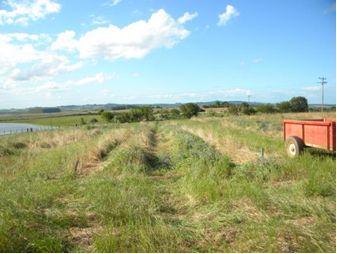
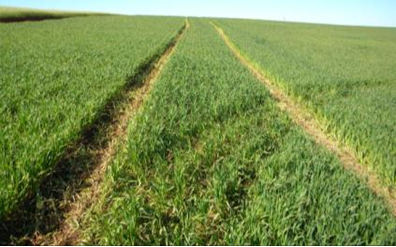
TITLE:
Soil conservationist tillage in areas of native fields in the Central Depression of Rio Grande do Sul.
OBJECTIVES:
In areas initially occupied with native fields, this project aims to evaluate indicators of soil compaction, such as soil density, resistance to compaction, water infiltration and plant parameters such as growth, height, root growth, the grain yield, dry matter aerial part, in treatments with different tillage methods (direct sowing, only the scarification, the most harrowing scarification). The operational capacity of the machinery, energy balance and financial profitability of crops during the crop year is also evaluated.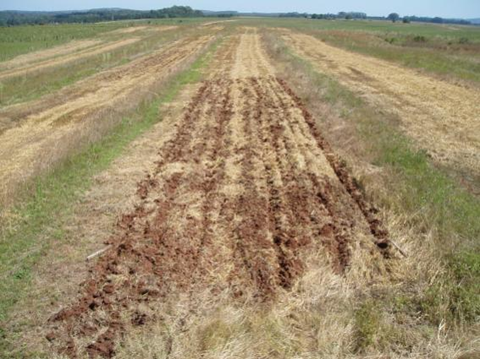
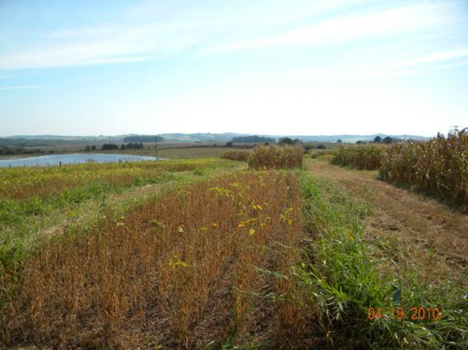
TITLE:
Operational and energy performance of fertilizer and tillage seeder in different sequences and crop rotations.
OBJECTIVES:
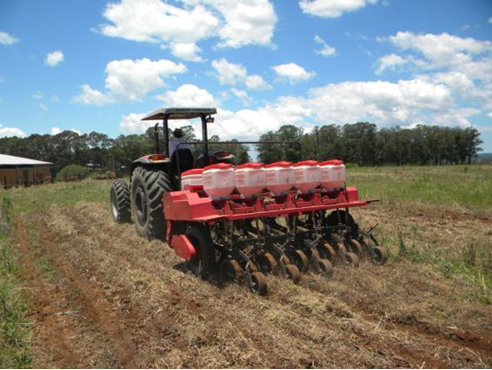
To assess the operational capacity of the tractor-spreader seeder set and the wheels slippage during planting, at different depths deposition of fertilizer, crop rotation, amounts of residues in soil, soil compaction degrees (for example, animal trampling on crops-livestock integration) and use or not of irrigation. It also assesses the degree of mobilization of the surface layer of tillage system and the implications on the establishment of weeds and crop productivity.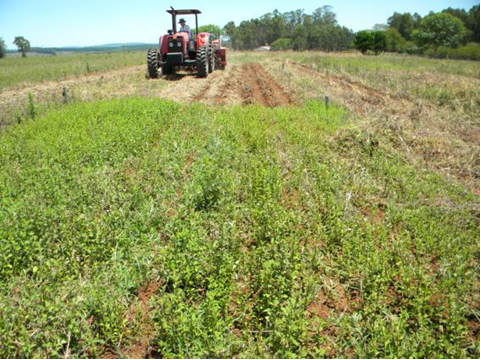
TITLE:
Management of soil, crops and animals in crop-livestock integration system, under direct sowing.
OBJECTIVES:
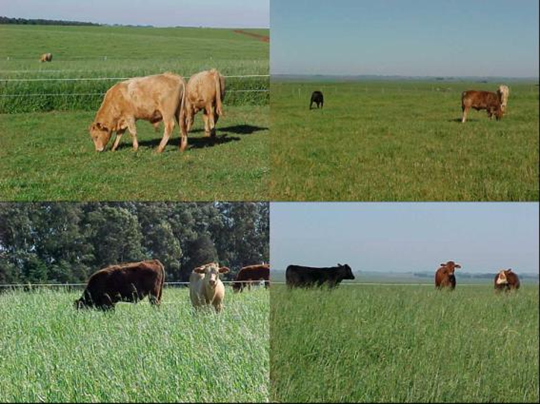
Rationalizing the use of large areas of Rio Grande do Sul, than in the winter period are only used for crops intended for land cover and to offer to grain producers, an alternative income in the period off season . It is a partnership between the Departments of Soil and Forage Plants and Agrometeorology of the Faculty of Agronomy of UFRGS. The main objective of the project is an integrated crop-livestock system in direct seeding to verify the effect of different grazing pressures on developing pasture and animal production and physical characteristics of the soil and its reflection on grains production.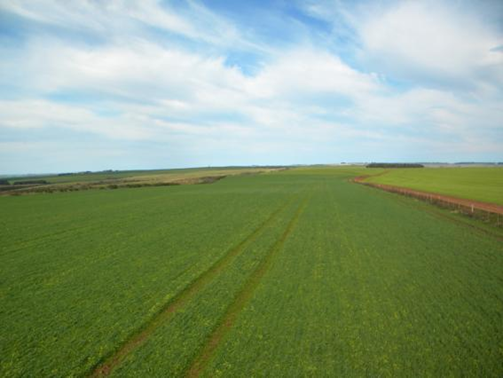
TITLE:
Physical -hydric condition of soil in conventional and ecological production of table citrus fruits.
OBJECTIVES:
To evaluate physical-hydric parameters and organic matter content of soil and soil fractions in the citrus orchard cultivated by conventional and agroecological system, to provide information on the performance of the them in terms of soil preparation and the compaction likelihood between the lines, accordingly with reflections in the rate of infiltration and water storage.
TITLE:
Load bearing capacity in different types of soil uses and management in Rio Grande do Sul.
OBJECTIVES:
Define the load bearing capacity of soils based on the determination of physical and chemical, mechanical and mineralogical parameters, as well as to evaluate the effect of different uses and management in the most representative soils classes of RS. To establish the maximum load bearing capacity and influential parameters for soil classes studied under different conditions of uses and managements, and to compare these limits with the equipment that transits through the fields.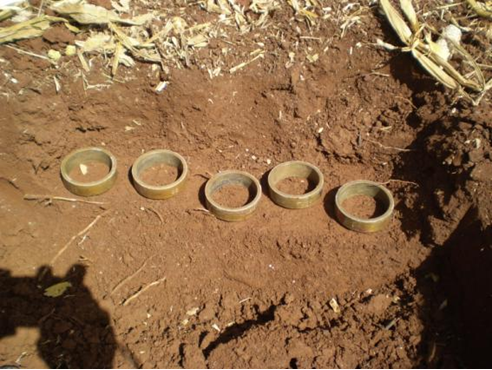

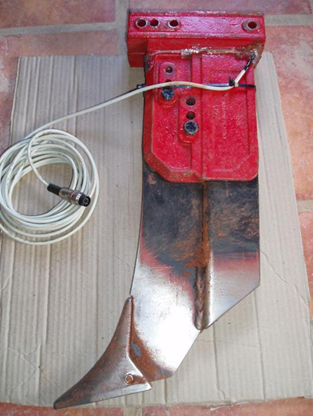
TITLE:
Performance testing of agricultural machinery and equipment and validation of technologies aimed at precision agriculture
OBJECTIVE:
In collaboration with manufacturing companies, conduct joint tests of performance in field and laboratory, with tractors, agricultural machinery and implements. Also, in collaboration with manufacturing companies oriented to precision agriculture products, to promote the exchange of experiences, courses, field days and field validation testing equipment (GPS, variable rate applicators, automatic pilots, etc.) in the areas of the Experimental Station.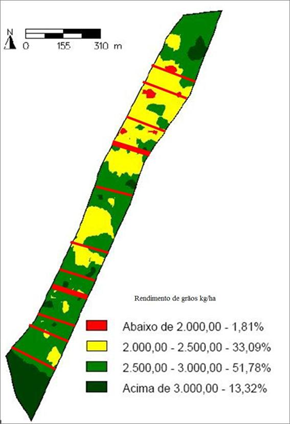
Responsible Professor: Carlos Ricardo Trein
e-mail: Este endereço de email está sendo protegido de spambots. Você precisa do JavaScript ativado para vê-lo.
TITLE:
Introduction to Precision Agriculture (PA).
OBJECTIVES:
To train students and professionals involved in farming activities to develop diagnostics, analysis and recommendations of techniques used in PA; To train students and producers to use (manipulate) specific instrumentation for controlling machines equipped for PA.
SOIL CHEMISTRY AND FERTILITY
Responsible Professor: Carlos Alberto Bissani
e-mail: Este endereço de email está sendo protegido de spambots. Você precisa do JavaScript ativado para vê-lo.
TITLE:
Immediate and residual effects of the application of tannery waste and coal on the soil and plants
OBJECTIVES:
To evaluate, in the long-term, the chemical attributes, availability of nutrients and chemical forms of chromium at the soil profile (0-20, 20-50 and 50-80 cm) and also productivity, nutrient uptake and accumulation and chromium, in the airy part and grain crops of agricultural interest, by the application of tannery waste (sludge of tannery and leather shavings) and coal on soil.
Responsible Professors: Carlos Alberto Bissani and Levien Renato
e-mail: Este endereço de email está sendo protegido de spambots. Você precisa do JavaScript ativado para vê-lo., Este endereço de email está sendo protegido de spambots. Você precisa do JavaScript ativado para vê-lo.
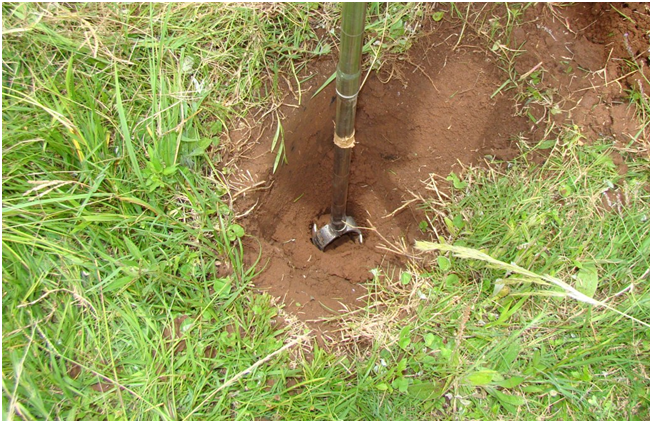
TITLE:
Soil chemical characteristics, availability and exportation of heavy metals and nutrients and crop productivity in farming, crops and fertilization systems
OBJECTIVES:
To evaluate, in long-term, soil chemical attributes, availability and exportation of macro (N, P, K, Ca and Mg) and micronutrients (Cu, Zn, Fe and Mn) and heavy metals (Cd, Cr, Ni and Pb) and productivity of crops (maize, soybeans, wheat and oats) tillage systems (conventional, reduced and tillage) soil, crops (succession and rotation) and fertilizers (mineral and organic), under management and mechanization conditions similar to those of agricultural crops.
Responsible Professors: Carlos Alberto Bissani and Levien Renato
e-mail: Este endereço de email está sendo protegido de spambots. Você precisa do JavaScript ativado para vê-lo., Este endereço de email está sendo protegido de spambots. Você precisa do JavaScript ativado para vê-lo.
TITLE:
Soil chemical characteristics, availability and exportation of heavy metals and nutrients and crop productivity in farming, crops and fertilization systems
OBJECTIVES:
To evaluate, in long-term, soil chemical attributes, availability and exportation of macro (N, P, K, Ca and Mg) and micronutrients (Cu, Zn, Fe and Mn) and heavy metals (Cd, Cr, Ni and Pb) and productivity of crops (maize, soybeans, wheat and oats) tillage systems (conventional, reduced and tillage) soil, crops (succession and rotation) and fertilizers (mineral and organic), under management and mechanization conditions similar to those of agricultural crops.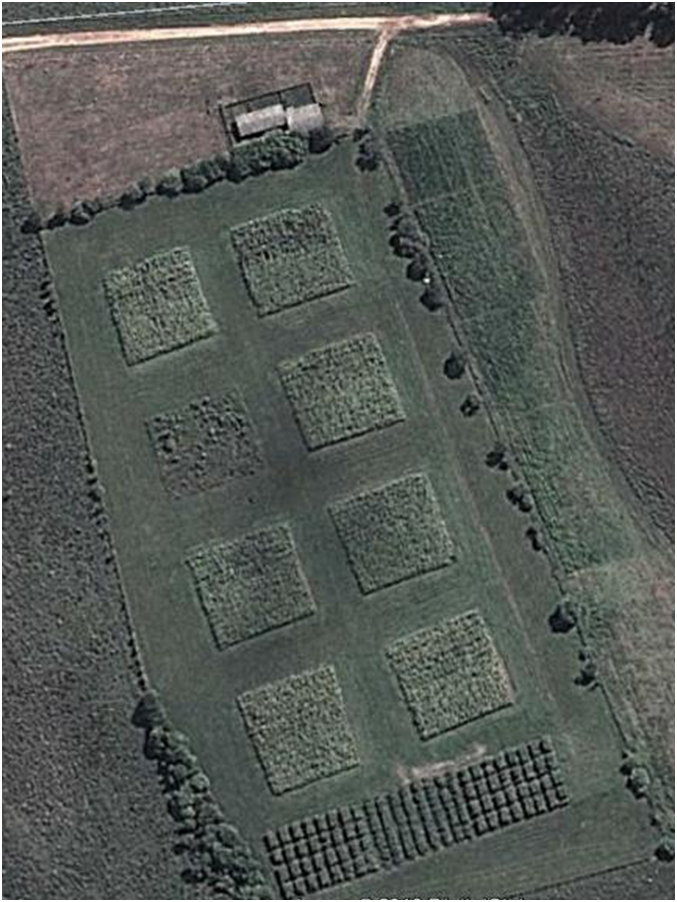

MANAGEMENT AND CONSERVATION OF SOIL AND WATER
Responsible Professor: Antonio Elemar Cassol
e-mail: Este endereço de email está sendo protegido de spambots. Você precisa do JavaScript ativado para vê-lo.
TITLE:
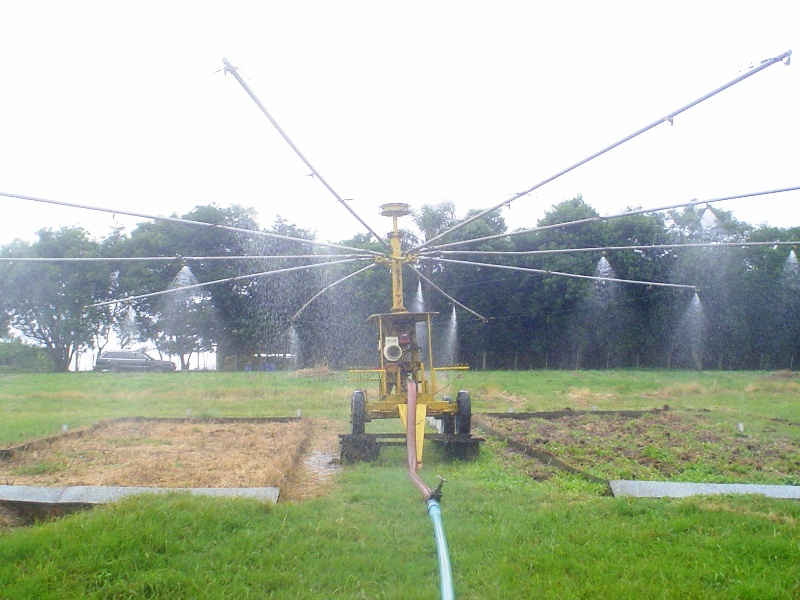
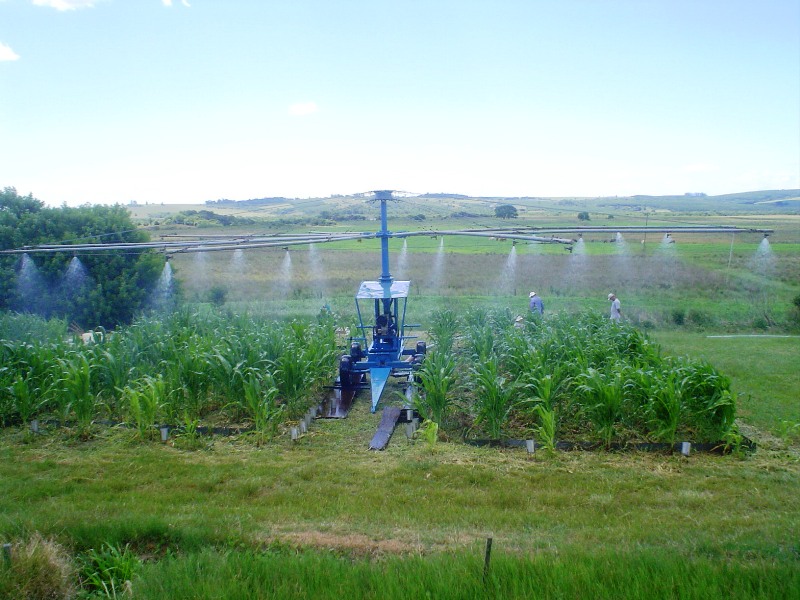
Erosion and superficial runoff in cropping systems and soil management under simulated rainfall
Objectives:
a) To evaluate differences in soil loss and superficial runoff between cropping systems under different managements and soil cover;
B) Easier viewing and the learning of erosive processes for undergraduate students in agronomy;
c) To enable the research initiation of degree students.
Responsible Professor: Cimélio Bayer
e-mail: Este endereço de email está sendo protegido de spambots. Você precisa do JavaScript ativado para vê-lo.
Long-term experiments on soil management
Two experiments have been carried out since 1983 (exp. 1) and 1985 (exp. 2), at the Agricultural Experiment Station UFRGS (EEA / UFRGS).
1: Vegetative practices on the recovery of degraded soils
This experiment consists of 10 crops on tillage systems. In this experiment the different additions of C and N from winter and summer cover crops have affected the maize crop yields and recovery rates of chemical, physical and biological quality of Acrisol, which was degraded at installation of the experiment.
All farming systems have sub-plots with and without (180 kg / ha of N-urea) N applied in the cultivation of maize. From 2011, the experiment has a calcaria strip (5 t / ha) and one without limestone (surface) since almost 30 years ago.
Croquis of the experiment and its treatment: 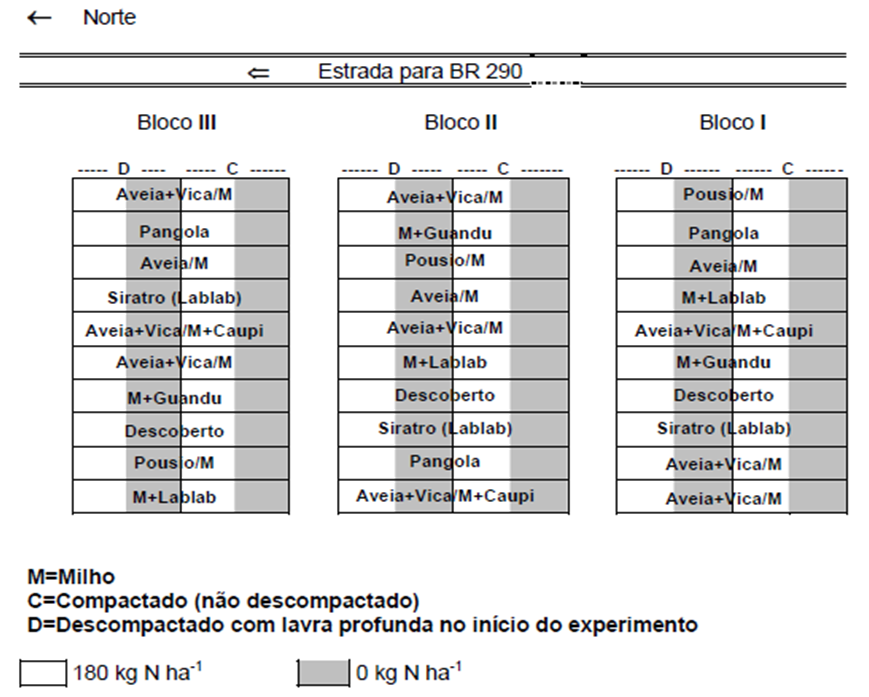
2: mechanical and vegetative practices in the recovery of degraded soils
This experiment consists of three tillage systems (conventional preparation, reduced preparation and direct sowing), three cropping systems (oat / maize, vetch / maize and oats + vetch / maize + cowpea), and two of N-urea maize crop (0 to 180 kg / ha).
Experimental treatments have different degrees of soil stirring rates and different cultural residues and N addition to the ground. Among many other results generated in this experiment, the impact of tillage systems and crop dynamics of organic matter is one of the most obvious. In this connection, the tillage determined a lower rate of oxidation of organic matter in the soil and respective accumulation of C and N in the soil, whose rates are dependent on the contribution of biomass by cropping systems.
Croquis of Experiment and its respective treatments: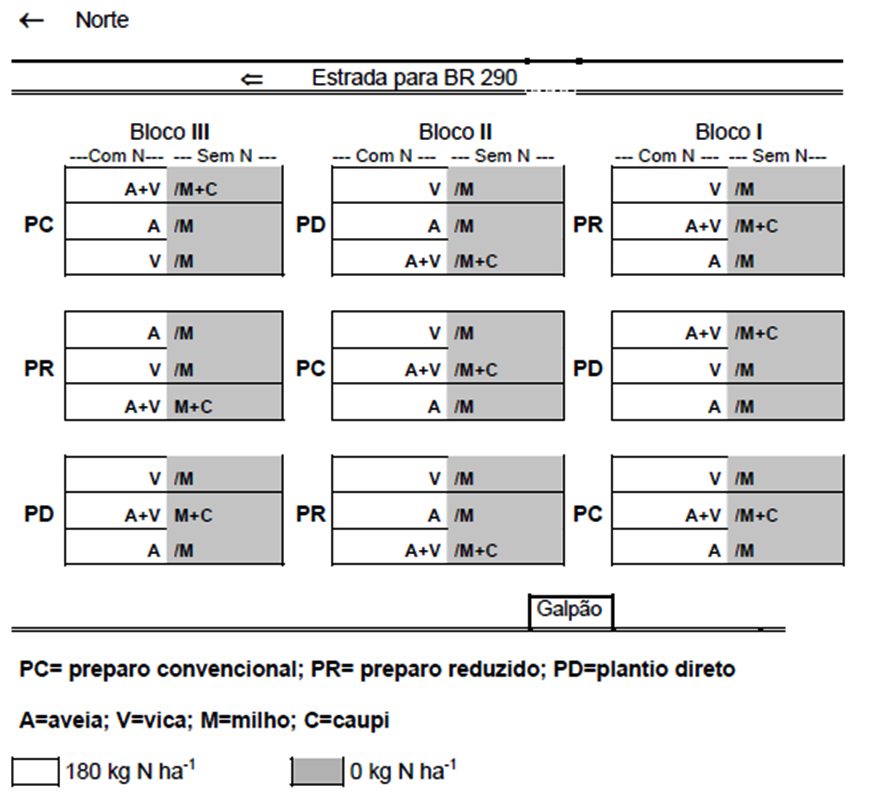
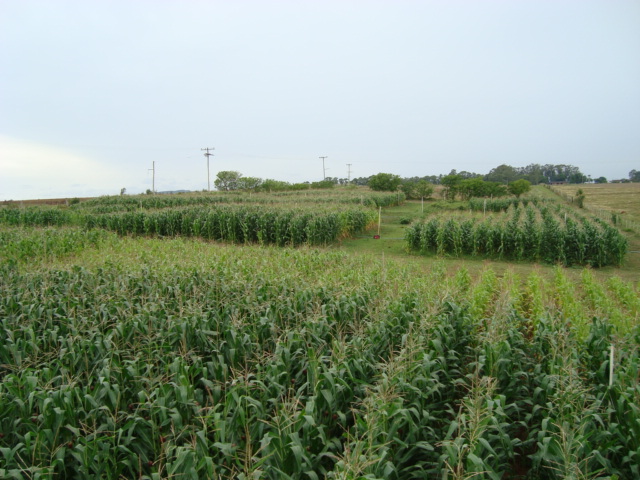
Photo: Overview of experiments in the summer at the EEA / UFRGS.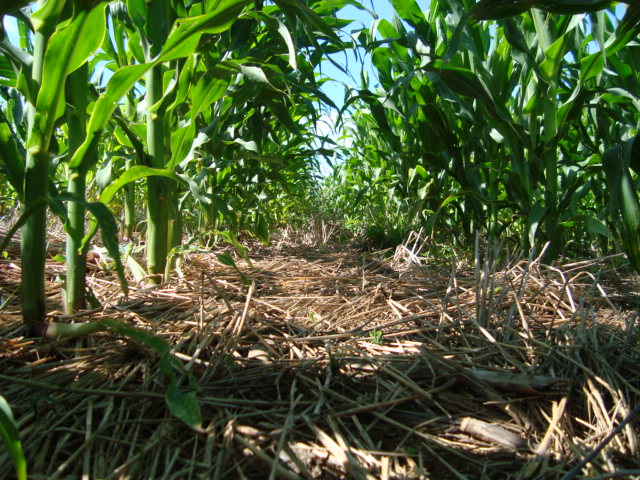
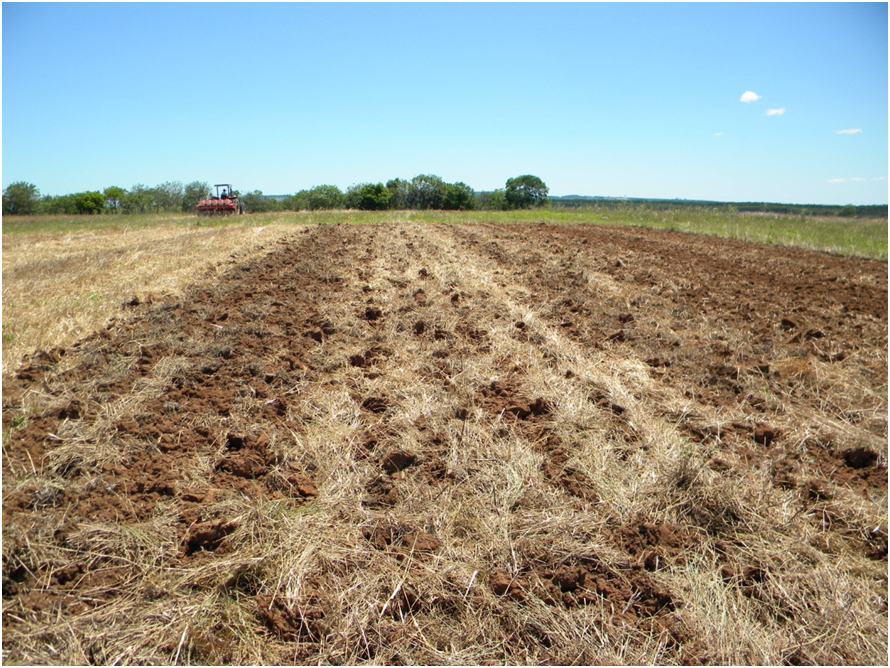
Photo: Ground covered with oat straw in the system of direct sowing of maize.
Photo: soil preparation operations conducted in spring-summer of each year. From left to right: Prof. John Mielniczuk (who implemented and conducted experiments for 30 years), Luisa Escobar (doctoral student PPG Soil Science, UFRGS), Luiz Antonio (Laboratory Technician, UFRGS), and Renan C.B. Vieira (doctoral student of PPG Soil Science, UFRGS).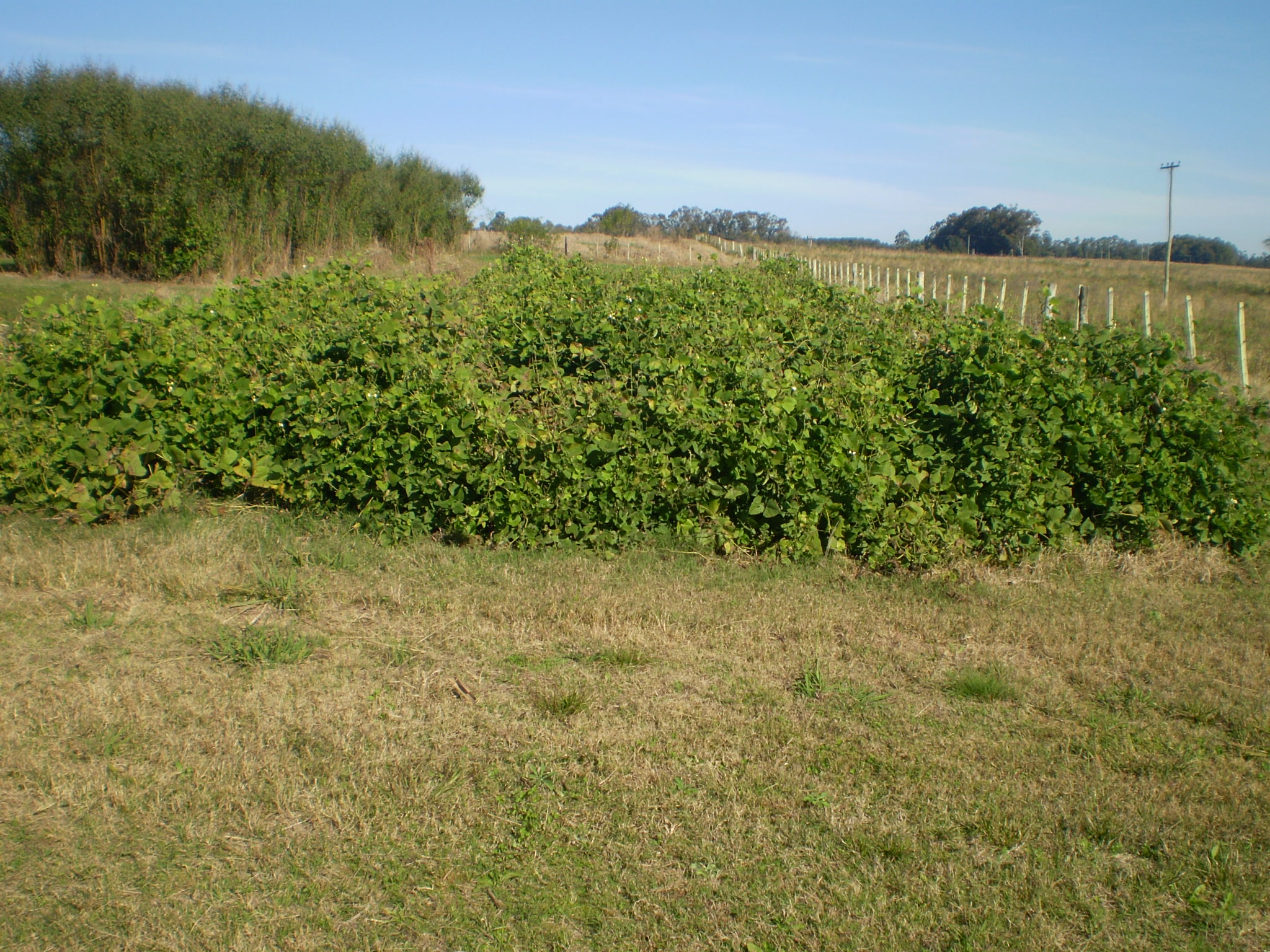
Photo: summer ground cover legumes (lab-lab on front and pigeon pea tree in the background) used to a greater contribution of biomass and addition of N symbiotically fixed to soil, to accelerate the recovery of degraded soil and increase maize performance. 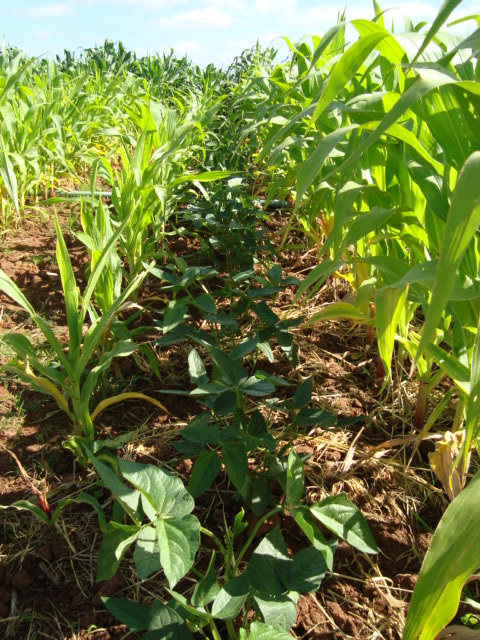
Photo: cowpea beans cultivated on intercalated with maize - summer legume ground cover.
SOIL BIOLOGY AND BIOCHEMISTRY
Responsible Professor: Edilson LuizSaccol de Sá
e-mail: Este endereço de email está sendo protegido de spambots. Você precisa do JavaScript ativado para vê-lo.
Title:
Promoting growth of grasses in crop rotation systems for selected rhizobia for species of native legumes, Adesmia and Serradela
Crew:
Implementation: Rafael Goulart Machado - Agronomy. - Student of PPGCS / UFRGS (doctoral student)
William Rosa da Silva - Agronomy student (UFRGS)
Suélen Aguiar Oldra - Agronomy student (UFRGS)
Márcio da Silva Silveira - lab technician - UFRGS
Contributors: Murilo Dalla Costa - Researcher EPAGRI-SC
Benjamin Dias Osorio Filho - UERGS
Rodrigo Schoenfeldt - Researcher IRGA
General objectives:
To evaluate the diversity of Rhizobium associated with native legumes Adesmia (Adesmia latifolia) and Serradela (micranthus Ornithopus) and potential fixing of atmospheric nitrogen in symbiosis and, also, to evaluate the plant growth promotion of grasses inoculated with these bacteria. Addition to this the study aims to evaluate the potential of native legumes, Adesmia and Serradela as forage plants for cultivation in crop-livestock systems succession.

Plot planted with white clover inoculated 
Plot planted with maize cultivation, succession of white clover.

Plots cultivated with millet
Title:
Diversity of the edaphic mesofauna organisms of the soil of Rio Grande do Sul and Amazonas and functional activity for their use as an indicator of soil quality
Crew:
Implementation: Bruna Raquel WINCK - Doctoral student of PPG Soil Science –UFRGS.
Cintia Fernanda da Costa - undergraduate student in Biological Sciences at UFRGS.
Contributor: Dr. Aleksander Westphal Miniz - Embrapa researcher Amazonas- Occidental- Manaus
Objectives
1. To identify changes in the composition and structure of the mesofauna and alterations in functional diversity of different groups, evaluated according to changes in soil quality in different agricultural systems and native north and south of the country
2. To identify each system evaluating main mesofauna organisms, that can be used as a potential indicator of soil quality;
3. To identify changes in soil quality through the main functions that mesofauna organisms exert in soil, in terms of their absence, presence and complexity, of edaphic mesofauna organisms, based on studies in the microcosm;
4. Proof of the effectiveness of the different fungi based baits attractions that can be used in the capture of edaphic mesofauna organisms, in order to monitor soil quality;
5. Using molecular biology techniques associated with morphological and taxonomic identification, to characterize soil mesofauna.


Title:
Monitoring of the edaphic mesofauna as bioindicators of soil quality in areas under different management systems
Crew:
Implementation: Biol. MSc. Gimenes Gleidson Rieff.
Bruno César da Costa – Agronomy student
Objectives:
1. To evaluate the population of microarthropod, mites and Collembola, by the separation funnel method of Berlese-Tullgren, on soils of areas subject to different management;
2. To estimate the impact of soil management system, by the evaluation of aerobic microbial activity of the soil, by the method of incubation and quantification of the release of CO2;
3. To select mesofauna organisms that could be used as biological indicators of soil quality in a situation of Tobacco and citrus cultivation;
4. To evaluate the efficiency of the monitoring of the families of mites and springtails (collembola), in monitoring the quality of soils under of tobacco and citrus cultivation; 5. Monitoring the dynamics of families of mites and springtails in microcosm maintained under laboratory conditions.


DEPARTMENT OF ZOOTECHICS AND ZOOTECHNICS COURSE
Responsible Professor: Jaime Urdapilleta Tarouco and João Bautista Borges Souza
e-mail: Este endereço de email está sendo protegido de spambots. Você precisa do JavaScript ativado para vê-lo.; Este endereço de email está sendo protegido de spambots. Você precisa do JavaScript ativado para vê-lo.
TITLE:
Control of Production and Genetics of Brangus cattle
OBJECTIVES:
· To use the animals and the information obtained from the cattle herd for educational purposes; research and extension (dissemination of results and approach with the red meat production environment and industry)
· The implementation of a program of production control (Reproductive, Sanitary and Zootechnical).
· To evaluate the genetic value of animals for characteristic of economic importance. To use the correct usage of the information for the selection and breeding of animals targeted to the animals in the herd.
· To obtain commercial advantage with the results.
Below are some photos of the project of Control of Production and Genetics of Brangus cattle
.


Professors responsible: Harold Ospina Patiño; João Batista Borges
e-mail: Este endereço de email está sendo protegido de spambots. Você precisa do JavaScript ativado para vê-lo.; Este endereço de email está sendo protegido de spambots. Você precisa do JavaScript ativado para vê-lo.
TITLE:
PRODUCTIVE AND REPRODUCTIVE PERFORMANCE OF HEIFERS SUPPLEMENTED WITH DIFFERENT ENERGY SOURCES
OBJECTIVES:
· Evaluation of the use of supplements containing polyunsaturated fatty acids protected from the ruminal degradation (AGPIPDR) and / or carbohydrates of high ruminal degradation, on productive and reproductive performance of grazing heifers.
· Evaluation of the use of supplements based on AGPIPDR and / or carbohydrates of high ruminal degradation on the hormonal profile of grazing heifers.
· Evaluation of the use of supplements based on AGPIPDR and / or carbohydrates of high ruminal degradation on consumption, digestibility and some parameters of the rumen environment.
Some photos of the work in the projects are presented below.


TITLE:
HYDRATED ETHANOL ALCOHOL PRODUCTION FROM RICE AND USAGE OF CO-PRODUCTS ON -RUMINANT FEEDING.
Professor responsible: Harold Ospina Patiño
Objectives
· To evaluate the performance of ethanol alcohol produced from the following rice products: paddy rice, brown rice or whole grain rice, benefited rice and broken rice.
· To quantify the co-products generated during the process of making ethanol from rice with different degrees of beneficiation.
· To evaluate the intake, feed conversion and digestibility of supplements formulated with co-products of ethanol production from rice.
The following are some photos of the work in the projects.

Professor responsible: César Poli
e-mail: Este endereço de email está sendo protegido de spambots. Você precisa do JavaScript ativado para vê-lo.
TITLE:
Sheep sustainable production systems in Rio Grande do Sul
General objective:
To quantify levels of condensed tannins and tocopherols of forage plants and to determine the performance and quality of lamb meat in terms of feeding systems based on pastures with tocopherols and condensed tannins.
Specific objectives
1. To determine the content of total tannins, condensed tannins, phenolic compounds and tocopherols in different graminaceous and leguminous (tropical and temperate).
2. To determine the effect of total tannins, condensed tannins, phenolic compounds and tocopherols, natives of the tropical and tempered forages, on the consumption and performance of lambs;
3. To determine the effect of different grasses and legumes with tocopherols and condensed tannins presence, on the behavior of ingestion of the Lambs;
4. To determine the in vitro action of condensed tannins on gastrointestinal helminthes of sheep.
5. To determine contamination of pastures by recovering larvae and animals by OPG by gastrointestinal nematodes.
6. To correlate the presence of condensed tannins and tocopherols in the pasture with the carcass and meatquality of lambs and fatty acid profile in meat.
7. To generate knowledge of the variation of the content of tocopherols in lamb depending on the content of these compounds in the feed.


FACULTY OF VETERINARY MEDICINE
Professor responsible: João Bautista Souza Borges
e-mail: Este endereço de email está sendo protegido de spambots. Você precisa do JavaScript ativado para vê-lo.
TITLE:
Hormonetherapies and management practices effects on reproductive performance of beef cows.
OBJECTIVES:
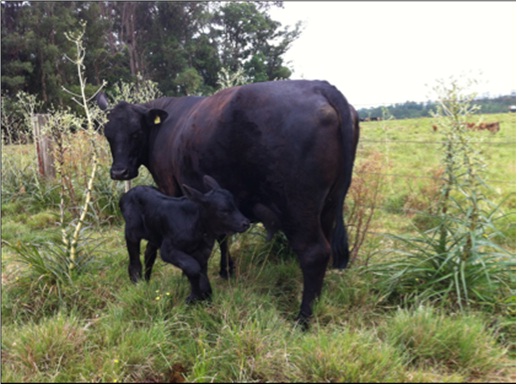
To evaluate the reproductive performance of beef cows with calves under different practices associated or no to hormone therapies for estrus induction and synchronization management.
Some photos of the experiments carried out on this project are presented below.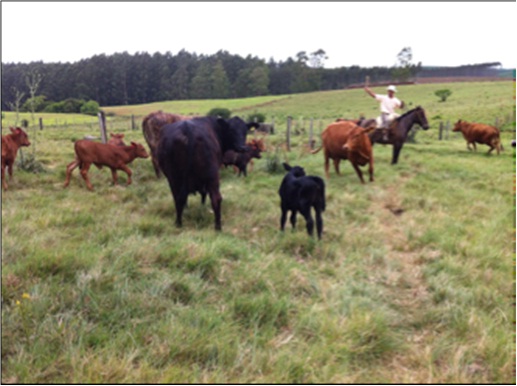

BIOSCIENCES INSTITUTE
DEPARTMENT OF ECOLOGY
Professor responsible: Dr. Valerio De Patta Pilar
Crew: Felicia Miranda Fischer, Bruna Claudia da Silva Jorge, Danielle Bizi Dotto
TITLE:
¿Diversity and functional redundancy to ensure stability of rural ecosystems facing climate change?
OBJECTIVES:
The use of ecosystems in rural areas as forage for animal husbandry, depending on the intensity and grazing regime, can affect the functional structure of the vegetation and, consequently, the ecosystem processes. Native fields in southern Brazil are an example of ecosystem that is determined by the disturbance regime. Currently, natural areas Pampa biome remain on private property, where the main ecosystem service is livestock production.
The average increase in the surface temperature of Earth, due to the emission of greenhouse gases, such as carbon dioxide, methane and nitrous oxide, can alter the patterns of temperature variation in rainfall, also increasing the incidence of extreme weather conditions. In the Pampa biome, in southern Brazil, there are forecasts that point to an increase in rainfall in 2040, with a regional climate of 5 to 10% rainier; others predict reductions in rainfall levels.
Stability is the ability of the community to maintain its structure and layout of the processes in the same way after a disturbance (resistance) and to return to its previous state structure and Ecosystem processes. (Resilience) (BEGON; TOWNSEND; Harper, 2009). The depletion of species and functional types in the community may jeopardize the stability of the community. In this case, diversity and functional redundancy can ensure the stability of communities in adversity (PILAR et al., 2013).
Therefore, the central question of this project is to discover whether the diversity and functional redundancy in plants guarantee the stability of the rural vegetation communities against changes in rainfall patterns, and how grazing intensity affects this response.
To answer these questions, this project involves the installation and evaluation of a controlled manipulation experiment (1) of rainfall by interception of rain and irrigation, (2) of the grazing regime, through cuts, and (3 )of redundancy and functional diversity by removing communities species. The experiment was installed in a fenced area of 25 x 25 meters in native land.


Professor responsible: Dr. Valerio De Patta Pilar
Crew: Guido Anaclara
TITLE:
To evaluate the effect from the elimination of an exotic invasive plant over rural vegetation community.
OBJECTIVES:
This approach will be evaluated through an experiment of removing invasive species Eragrostis plana, which is expected that its removal cause changes in floristic and functional composition. In addition to testing the effect of the removal of invasive plant itself, the experiment also aims to test different methods of disposal.
To do this, we have installed 60 plots in an invaded 1'1 m area (30% coverage E. plana in each plot), which were subjected to four treatments of removal (glyphosate, manual removal, gradual cutting and sharp cut), the extraction control (without removal) and control of invasion (without E. plana) totaling ten plots per treatment. Before the application of the treatments, all plots have been through a survey about the composition and structure of vegetation (2012). These stages of research of the vegetation and removal of invasive will be repeated for three years.
TTITLE:
To evaluate biotic resistance of rural communities’ fields to invasion by E. plana, considering differences in composition of functional groups in the target communities.
OBJECTIVES:
This approach will be evaluated through an experiment of removal of functional groups, in which it is expected that communities with greater dominance of functionally similar species to invasive species (graminoides) are more resistant to invasion. They have been installed 8 plots of 2 x 2 m (blocks) in an area not overrun by E. plana, at least locally, within which they have been assigned eight sub-plots of 0,2 '0,2 m. The layout of each subplot was preferential, seeking balanced coverage of functional groups of graminoides herbs (G) and not graminoides (NG). In each sub-plot it was carried out to study of the composition and structure of the original vegetation in the spring of 2012.
The subplots were randomly assigned to the following removal treatments: Total removal of graminoides herbs (RG: maintaining exclusive coverage of herbs not graminoides), total removal of the herbs not graminoides (RNG: the maintenance of exclusive coverage of herbs graminoides), total removal (RT: Total removal of vegetation coverage) without removal (SR: removal control). The removals were made by cutting the areal cover for a period of six months.
Half of the plots of 0,2 '0,2 m has been seeded with E. plana and the other half has remained unplanted (C - control of the invasion). Therefore, the experimental design consists of 8 treatments given by the combination of two levels of two factors: removal of functional groups (4 levels: RG, RNG, RT and SR) and invasion of E. plana (2 levels: with sowing and without sowing). The plots have been monitored regarding to the arrival and growth of invasive species. Each spring they have been conducted, to evaluate the dynamics of vegetation. The experiment will last for three years.

Professor responsible: Dr. Valerio De Patta Pilar and Dr. Milton Mendonça Jr.
Crew: Luciana Podgaiski, Fernando Joner, Camila Goldas and Claire RöpkeFerrando.
TITLE:
Organization patterns of Terrestrial Arthropods communities and herbaceous plants in Rural Ecosystems
OBJECTIVES:
To understand how changes in biodiversity after anthropogenic disturbances may affect properties of the ecosystem and environmental services is a major challenge. Biodiversity, when viewed under the approach of the diversity of functional characteristics of species, can reveal patterns and organizational rules that help us in this challenge.
In this project, our objectives were:
1) to evaluate the diversity and functional patterns of organization of the communities of terrestrial arthropods and herbaceous vegetation in rural ecosystem (Pampa biome) testing as disturbance 'fire' affecting the taxonomic and functional diversity of these groups.
3) To find out how possible changes in these functional organization patterns affect the properties and the environmental services provided by arthropods and vegetation, such as resilience, functional diversity, decomposition of biomass, and predation / seed dispersion.
METHODOLOGY
The samples were collected in an area of the Agronomic Station of about 50 hectares, where seven blocks of experimental units have been installed , each consisting of two plots of 10 x 10 m, with 5 m distance between them (Fig. 1). One of the plots was burned in December / 2009, and another was considered as a control (Fig. 2).
Several methods have been used in this project (Fig. 3), where data have been collected on portions of seed removal (Petri dishes containing seeds inputs), feeding activity of soil invertebrates (method 'bait-sheet') , leaf decomposition (method 'litter bags'). As for the vegetation, data has been obtained of taxonomic diversity, biomass and functional diversity (foliar measuring attributes). Arthropods were collected through methods 'pitfall' and entomological net, and data have been obtained of taxonomic diversity and functional diversity by measuring the attributes of organisms. Samples of each method have been carried out in four periods: before the fire (November 2009), one month (January 2010), six months (July 2010) and a year after the fire (December 2010).
RESULTS
This project has the following results:
· Doctoral thesis in Ecology (UFRGS) Fernando Joner (Patterns of organization in communities of herbaceous plants) in which functional aspects and ruralvegetation biomasshave been investigated.
· Doctoral thesis in Ecology (UFRGS) Luciana Regina Podgaiski (Organization of arthropod community and ecosistemic processes), in which taxonomic and functional aspects of Araneae and Coleoptera detritivorousand ordersprocesses and descompositionhave been explored.
· Master’s Thesis in Ecology (UFRGS) Camila da Silva Goldas (fire disturbs in South Fields: Arthropods and Hemiptera as bioindicators) in which it has been investigated the diversity of arthropod orders and taxonomic and functional aspects of the order Hemiptera.
· En of Course Work of biology course (UFRGS) Claire Pauline Röpke Ferrando (Functional and Taxonomic Caeliferos (grasshoppers / locusts) (Orthoptera, Caelifera) responsesto fire in South Fields), and which have been investigated taxonomic and functional aspects in the order Orthoptera.
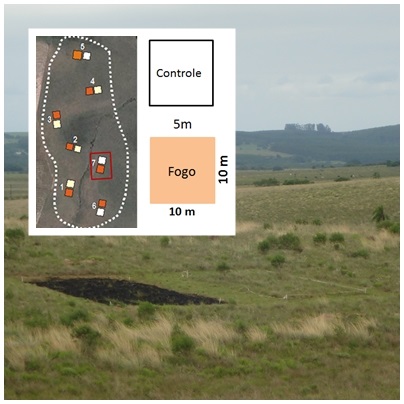
Figure 1. Experimental design of small-scale fire in the UFRGS Agronomic Station, in the city of Eldorado do Sul, RS, with seven pairs of plots, one of which was burnt and the other part has been kept as a control.

Figure 2. Fire Experiment conducted at the Agronomic Station UFRGS.
a) The seven pairs of 10x10 plots have been demarcated; b) and c) have randomly selected each for a plot which has been totally burnt.

Figure 3. Sampling methods used in our project: a) 'pitfall' installed on the ground, b) identification of the species of vegetation, c) Petri plate containing seeds (seeds scattering experiment) d) landscape where the study has been conducted , e) 'bait-lamina' (feeding activity of soil invertebrates) f) Entomological Net being used in the collection of arthropods of vegetation g) 'litter bag' containing plant material collected in the local (experiment of leaf decomposition).
Department of Botany
Responsible Prof. Gerhard Overbeck
Academic (a): Suiane Santos Oleques, Postgraduate Program in Botany
Contributor: Jeferson Bugono
TITLE:
Interaction Networks of plant-pollinator in Rural Community under different grazing intensities.
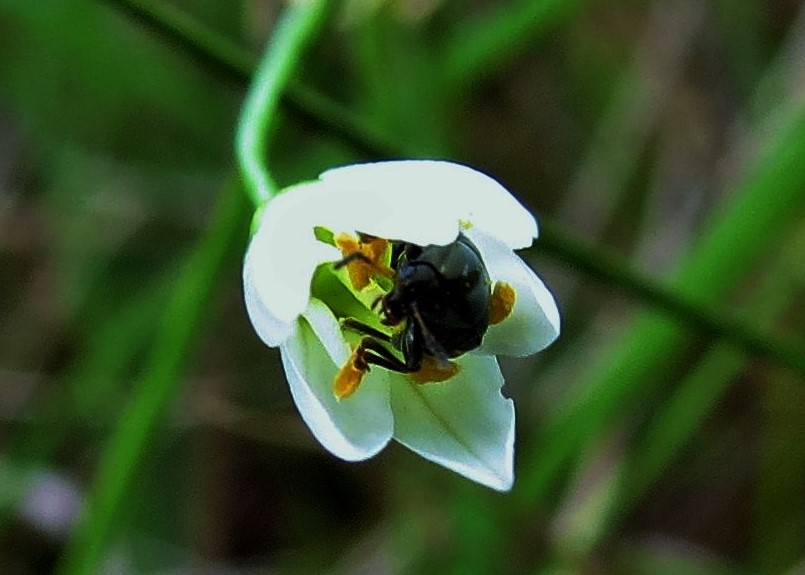
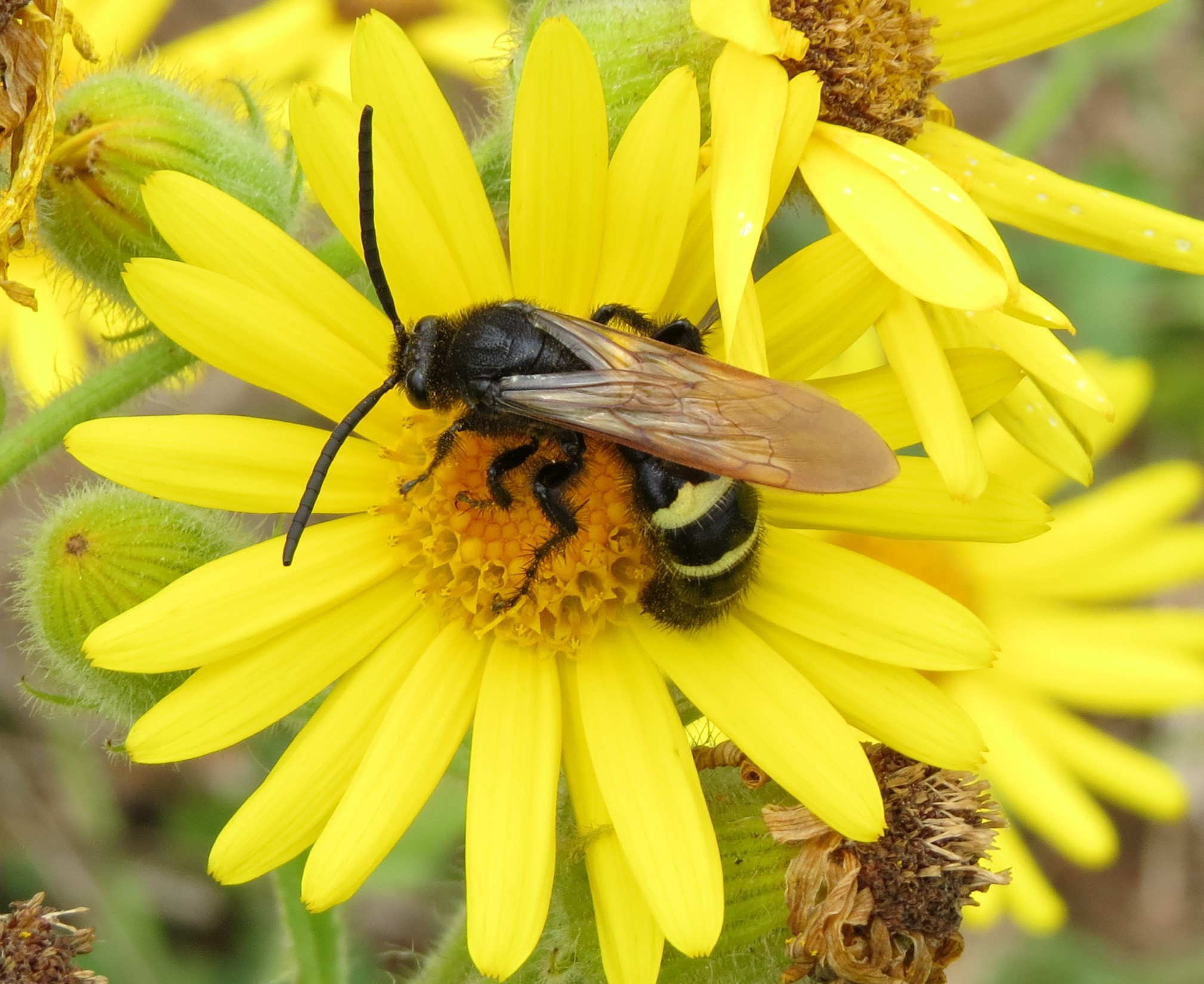
Fields which form thePampa biome, in a general manner, have been the main source of forage for livestock, sheltering high biodiversity and ensuring important environmental services. Therefore, the main activity for the conservation of biodiversity sustainability of native fields continues to be pastoral activities. Studies show the important role of these activities for the maintenance and preservation of the diversity of the flora of the rural communities, but nothing is known about the indirect influence of these activities on mutualistic interactions that exist between plants and their pollinators. These mutualisms established between plants and pollinators form a central component of biodiversity, influencing different ecological and evolutionary processes, being considered the key interaction in almost all terrestrial ecosystems.Therefore, this study aims to answer the question: Does the pattern of organization of interaction networks plant-pollinator in rural community can be influenced by different grazing intensities? The study will be conducted from September 2014 to February 2015 at the Experimental Station of the UFRGS. Twelve of 10x10m plots allocated in a grazing intensity gradient will be used. This gradient will be completely abandoned until overgrazing field. Plant species in each plot will be identified as well as the associated pollinators. Focal observations will be made in the period from 9 to 15h. The plots will be quantified regarding abundant plant and pollinator species, being performed in each collection rarefaction curve for estimating adequacy of samples.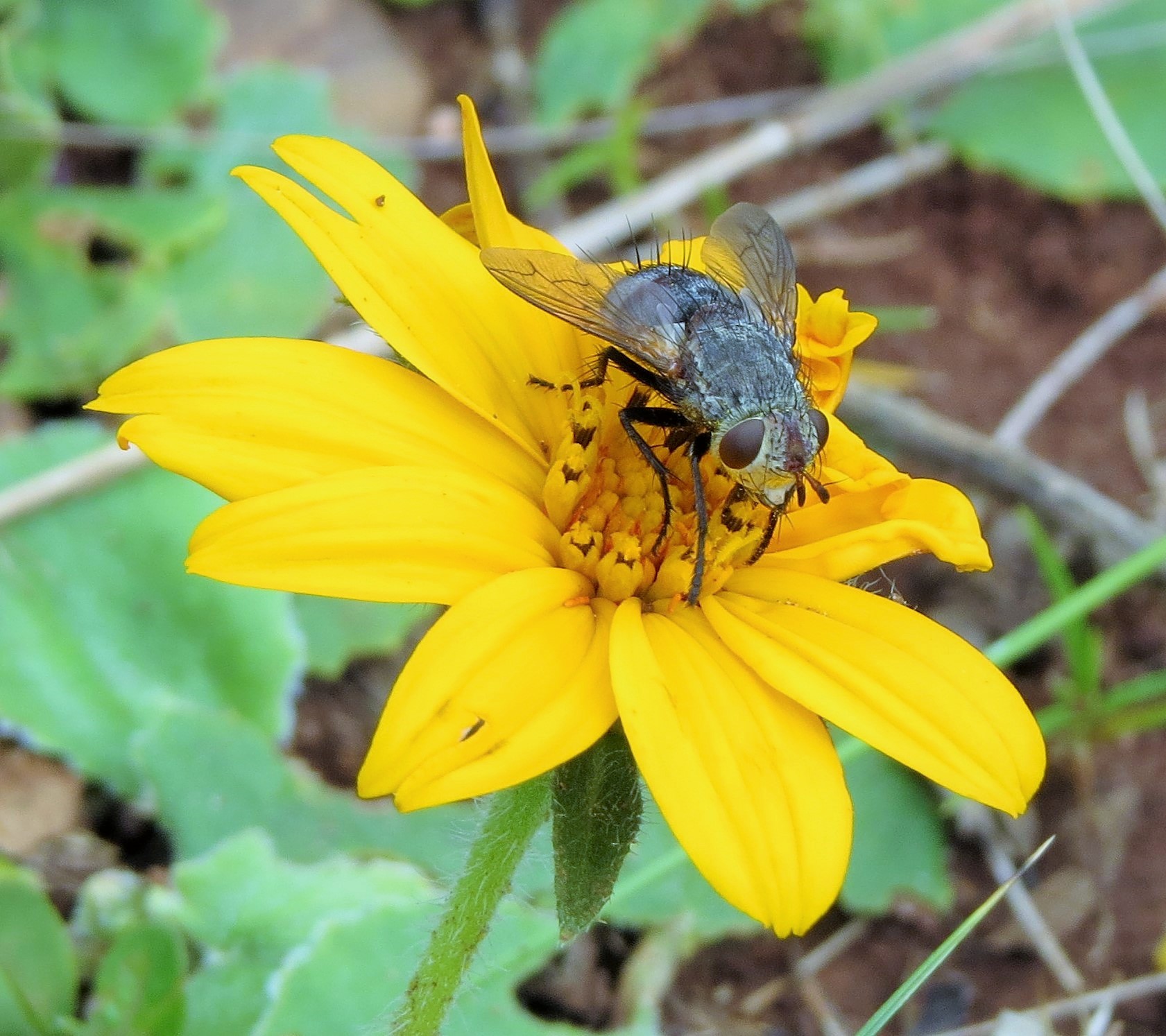
PARTNERS
The institutional partners have a key role in all the activities of the Agronomic Experiment Station, contributing in various activities related to research, teaching and extension. As the main partners of the Agronomic Experimental Station, outside the UFRGS, during the period of this report, may be enumerated the following companies and institutions:
• AGCO;
• APISUL AS;
• EMATER / RS-NASCAR (Association of projects of technical assistance and rural extension of Rio Grande do Sul);
• Falker, Agricultural Automation;
• FEPAGRO (State Foundation for Agricultural Research);
• INPEV;
•John Deere;
• MAP (Ministry of Agriculture, Livestock and Supply);
• MDA (Ministry of Agrarian Development);
• Municipality of Eldorado do Sul, RS;
• Municipality of Arroio dos Ratos, RS;
• PlanejarEthanol;
• PlanejarGenética
• Protection;
• Quaker (Pespi Co.);
• RiceTec;
• SHV Gas Brasil;
• UDESC (State University Santa Catarina);
• UERGS (State University of Rio Grande do Sul);
• UFPEL (Federal University of Pelotas);
• ULBRA;
• University of Louisiana, U.S.A.;
• University of Minnesota, U.S.A.;
•University of Rosario, Argentina;