
Technology background
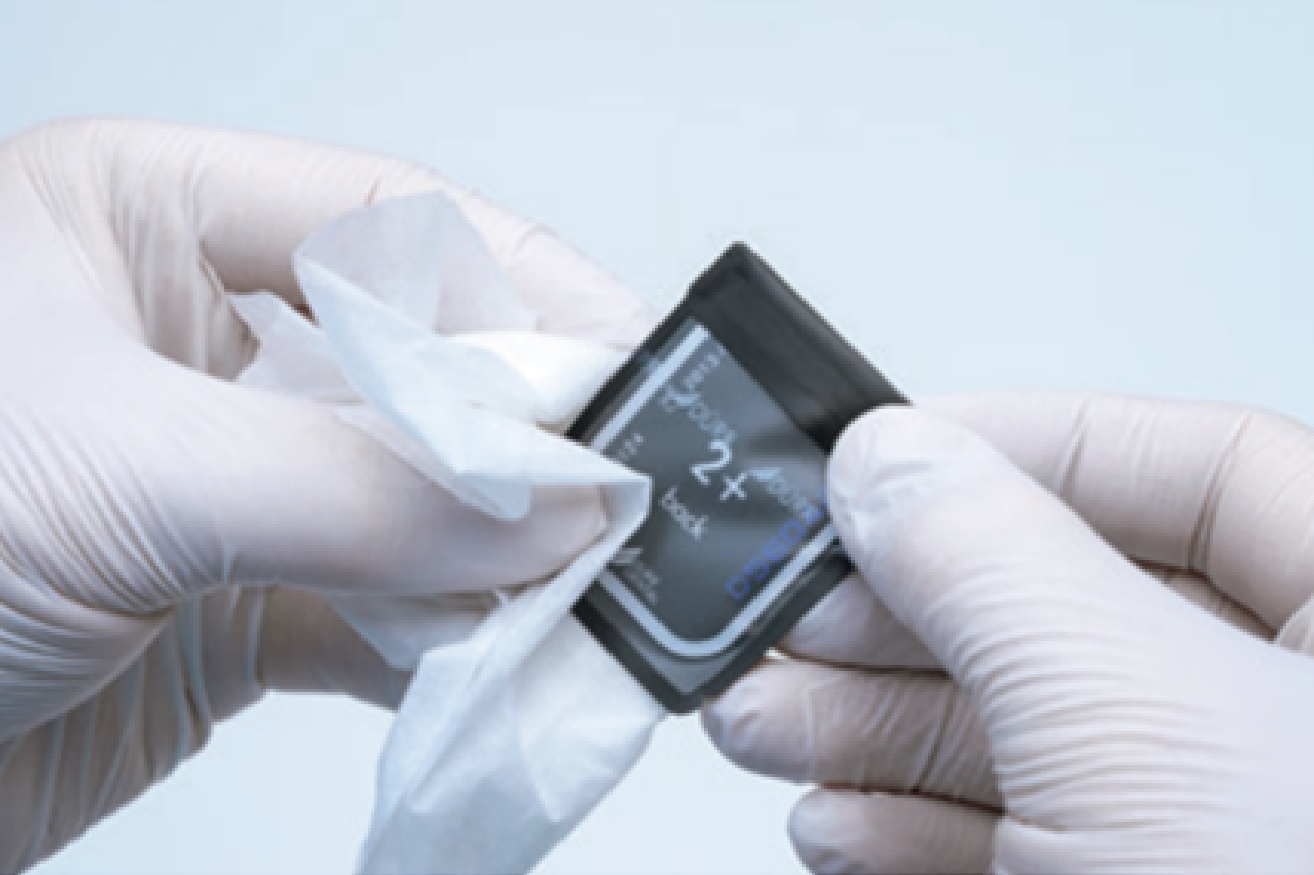
The photosensitive phosphor plates are reusable digital radiographic images receptors, in dentistry are used for intraoral radiographic examinations, characterized in that it consists of a polymer, such as PVC or poletileno, and containing at least one metal sides, such as lead or tungsten. Clinical use may result in folds and bites on the plate, the receiver permanently inutilizam, reducing the life of the equipment and increasing the cost of radiographic examination.
Technology description
It is a low-cost manufacturing device that provides greater durability to a digital image receptor of higher cost than the conventional image receptor (radiographic film), and does not interfere in the functioning mechanism of the digital system. The protection device prevents damage and provides greater patient radioprotection, always desirable feature in performing imaging with ionizing radiation.
Problem Fixed
Protects the phosphor plate from physical damage during clinical use, like folds and bites, that can permanently damage the imaging plate and reduce the service life of the.
Advantages
Increases the patient's radiation protection and increases phosphorus plate life, reducing the cost of radiographic examination.
Applications
Use in public service and private dental radiology, with the digital system phosphor plates.
Nível de Maturidade da Tecnologia (TRL – Technology Readiness Level)

Status of the technology
Patent filled by INPI.
Inventors
Graziela de Moura
Heraldo Luis Dias da Silveira
Visit us (click in the logo)


Congratulations