Technology background
Solar disinfection (SODIS) It is an effective technique for microbiological water treatment and is cheap and easy to access, applicable to communities devoid of conventional drinking water distribution systems, however, the smaller volume of treated water per day is a limitation to the conventional process SODIS.
Technology description
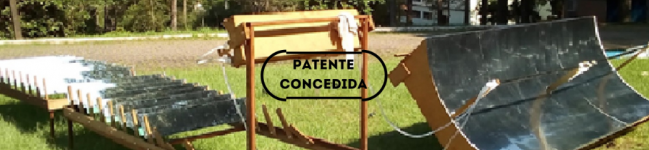
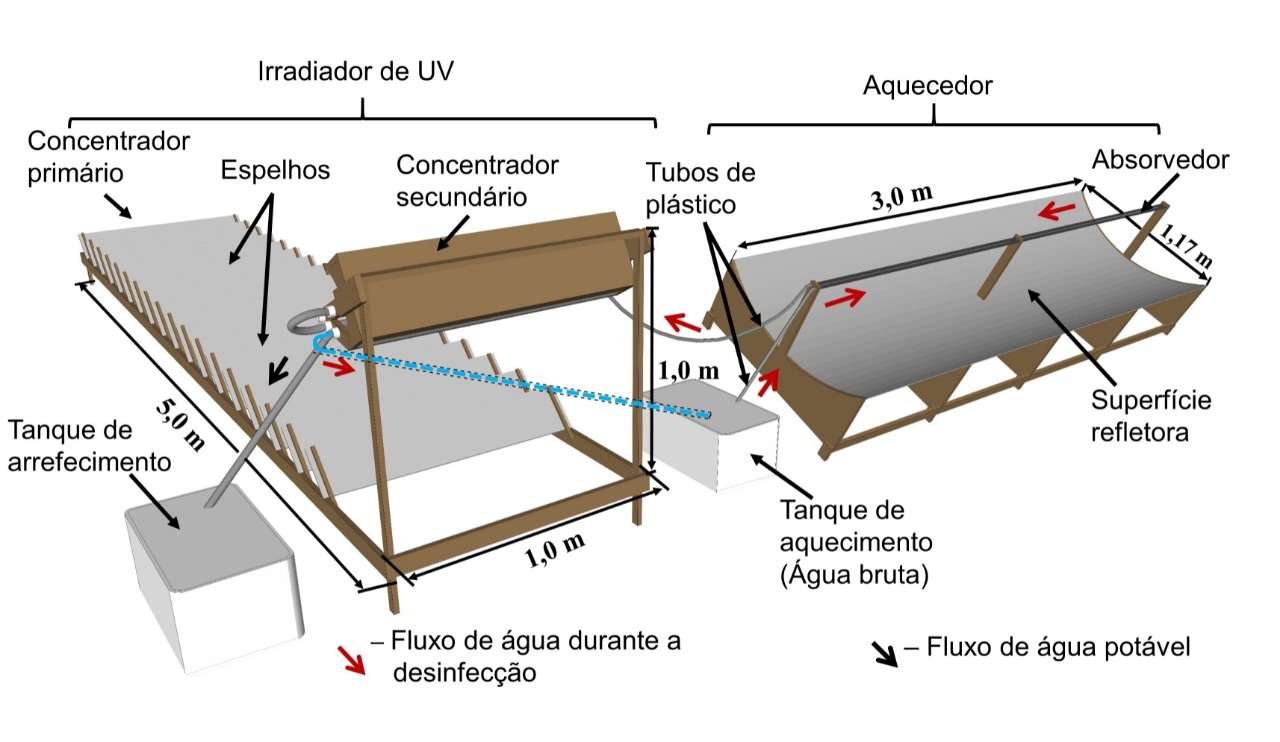
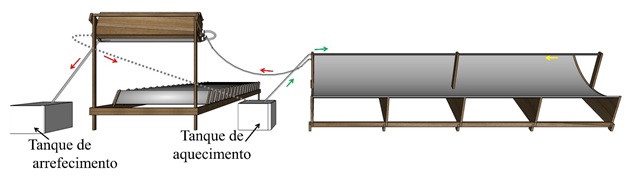
The technology uses the synergistic effect of heat and ultraviolet radiation (UVA and UVB) Solar for disinfecting water in a continuous flow. It is the first to be able to inactivate microorganisms resistant to conventional water treatment procedures, including the chlorination, such as cysts Acanthamoeba castellanii. Applied to increase access to safe water for human consumption, especially among low-income or no access to conventional distribution systems for drinking water, The system can be implemented to reduce losses in agricultural production chain, because its application can reduce the occurrence of diseases that cause economic losses in the poultry industry as well as in intensive fish farming and horticulture.
Problem Fixed
Solar disinfection of large volumes of water in continuous flow per day, using the synergistic effect of ultraviolet radiation and heat from the sun. Allowing people who live in areas without conventional network coverage distribution of drinking water, to have access to safe drinking water and at low cost. Inactivating microorganisms recalcitrant nature (resistant) in a process of solar water disinfection in continuous flow.
Advantages
– Allows treatment of water for human consumption at low cost;
– It handles a large volume of water per unit time compared to conventional SODIS;
– No need for electricity;
– Eliminates the use of chemical disinfectants;
– Eliminate resistant microorganisms, including those resistant to chlorine;
– Easy to handle;
– Long operating time without requiring maintenance;
– Maintenance does not depend on skilled labor.
Applications
– Allows treatment in situ from water (that is, in catchment water "rivers, lagos, wells, dams etc ");
– It can be installed along the water tanks of the buildings to complement the water treatment process, mainly to inactivate viruses, parasites and protozoa and helminths, that are resistant to chlorination and commonly thrive and multiply in the distribution pipes of drinking water from the public network.
– environmental health area, to reduce the load of biological and chemical contaminants (as antibiotics) in wastewater.
Technology Readiness Level(TRL – Technology Readiness Level)
Technology Readiness Level (TRL – Technology Readiness Level)

Interested in licensing this technology? Contact the UFRGS Innovation Agency.
Status of the technology
Patent granted by INPI under No. BR 10 2020 001683-0.
The patent can be found in full at Lume by link.
Inventors
Beni Jequicene Mussengue Chauque
Marilise Brittes Rott
Antonio Domingues Benetti
Related links
Cover and Matter published in the newspaper DC Canoas-RS, in 11/03/2020.
Matter published in the scientific journal Photochemical and Photobiological Sciences, in 25/01/2021.
Article published by the portal University newspaper, in 13/05/2021.
Article published by the portal G1, in 17/06/2021.
Article published by the portal GZH ClicRBS, in 18/06/2021.
Article published in Race Magazine, in 21/06/2021.
Interview conducted by German radio German wave (DW) and post made on your page on Facebook, in 27/06/2021.
Article published by the Mozambican portal Newspaper Online News, in 30/06/2021.
Report published in We in the World Program (video), STV Mozambique, in 01/08/2021.
Report published in Newspaper O País, of Mozambique, in 07/08/2021.
Report published in Night news (video – report from the minute 30), STV Mozambique, in 08/08/2021.
Video posted on the page at Facebook Academic Justifications, in 13/08/2021.
Video posted on the Youtube Scientist at School Project, in 21/08/2021.
News published on the UFRGS website at PROIR participates in recordings about researcher Beni Chaúque and his water disinfection technology, in 05/07/2021.
Publication made by Pedagogical University of Maputo, Faculty of Natural Sciences and Mathematics, in 19/07/2021.
Report published in University newspaper, from UFRGS, in 28/04/2022.
Article published by the portal ECOA UOL, in 09/09/2022.
Matter Tecnology developed at UFRGS uses solar power to deliver drinkable water to suburban areas, no Lume, in 13/05/2021.
Video published by UFRGS TV on technology:
Visit us (click in the logo)