
Technology Panorama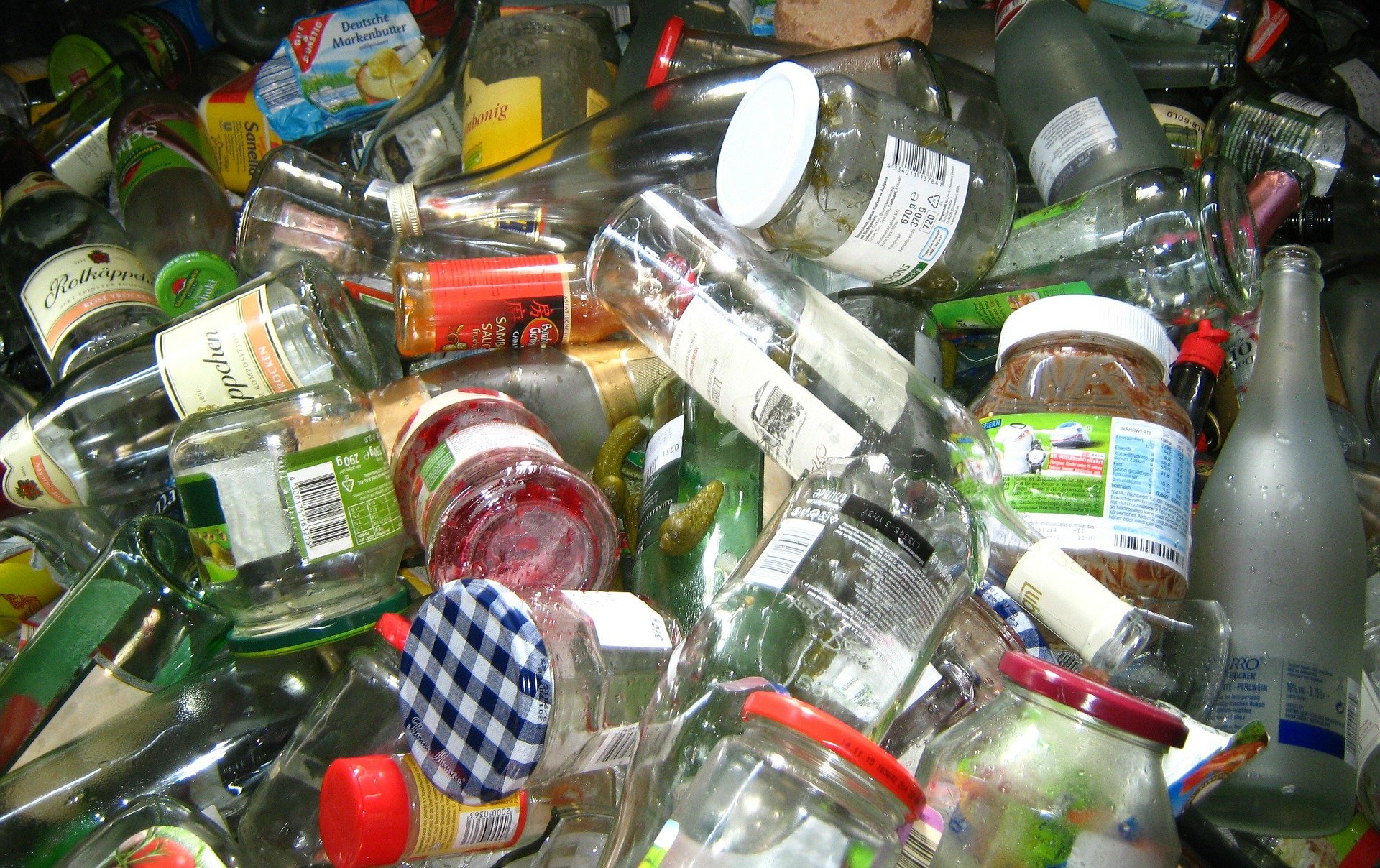
The concern with the residues of the human activity is becoming more intense, being the glass, occupying a prominent place in this question, since it does not decompose in the nature. Likewise, there is a growing concern regarding energy consumption to obtain thermal comfort in buildings, .. ., ..
Sodium-calcium glass is the most common and cheap commercial glass in the market, and accounts for 90% of the production. It is used mainly in packaging, as bottles, pots and jars, and also in the production of glasses, glass windows, In the automobile industry and in home appliances..
Description
Product and method for the production of ceramic glass paste with different thermal and acoustic properties,, with high resistance to compression, shear and twist, resulting in an environmentally interesting product, due to the use of soda-lime glass and rice husk ash.
Advantages of the technology
Improvement of thermal and acoustic comfort in buildings.
Use of glass and rice husks in the production of glass tablets.
Calcium soda glass is the most relevant material in the formulation, May vary from 70% to 90%.
Problems solved by the technology
Indiscriminate disposal of tailings, mainly glass, in the environment.
High energy consumption to obtain thermal comfort in buildings..
Industrial application
Can be used on walls of internal closure of environments and external facades of residences, Residential and commercial condominiums, Which receive the incidence of the sun, providing better thermal and acoustic comfort.
Technology status
Patent filled by INPI
Inventors
FERNANDO ANTONIO DA SILVA FERNANDES
ERVIM FRANCISCO TOCHTROP JUNIOR
Opportunity
We are looking for partners for licensing or R&D together
Nível de Maturidade da Tecnologia (Technology Readiness Level – TRL)

Visit the Laboratory of Ceramic Materials (click in the logo):

