
Adaptation | Facing the challenges to the body and mental health that permeate the expeditions to extreme environments, scientists seek to maintain routine habits during the navigation days
*By: Ana Paula Tavora
*First published December 19th, 2024.
*Photo: Antarctica Expedition (Expedição Antártica)
This report is part of the Antarctica Special (Especial Antártica), which features six reports covering the research and understanding around climate change, as well as the daily life and curiosities of a crew that spent 60 days on an icebreaker.
Traveling around the continent that has 90% of the whole planet’s glaciers and is home to animals you won’t see anywhere else, such as penguins or krills – a small crustacean that is fundamental to the southern ocean’s food chain –, is a unique and privileged experience. However, despite the singular and impressive scenery, Antarctica also holds the greatest challenges to human life on Earth: it is the windiest, driest, and coldest environment and, in the summer, the sun never sets on a large part of the territory.
Dealing with these superlatives has been the daily life of 61 researchers who will be circumnavigating Antarctica on the icebreaker called Akademik Tryoshnikov until the end of January 2025 under the coordination of UFRGS’ Polar and Climate Center (Centro Polar e Climático (CPC/UFRGS). Filipe Gaudie Ley Lindau, a post-doctoral student in Glacio-chemistry at UFRGS, describes that at this time of the year, the temperatures on the freezing-cold continent hover around 14°F, but it’s the 25 to 31 mph that makes the cold so harsh. “Our general feeling at work is one of discomfort,” confesses the academic, who has been to Antarctica twice before.
To cope with the cold below zero, the scientists need to put on several layers of clothing when they leave to collect samples. It is impossible to expose yourself to the weather without wearing at least three coats on your torso and legs, double waterproof boots with reinforced linings, wool socks, gloves, and neckties. According to Dr. Daniela Silvestre, a postgraduate in Expedition and Wilderness Medicine at the Royal College of Physicians and Surgeons of Glasgow, in temperatures below -9°F there is already a risk of frostbite to the extremities such as the cheeks, fingertips, and earlobes.
In addition to the challenging daily routine imposed by the weather, the expedition team members are also exposed to the solar rays 24 hours a day, as the sun shines at a right angle between October and March in the locations below the Antarctic Circle.
“We can’t keep our eyes open without snow goggles; the light reflects a lot, even when it is cloudy. The slightest bit (of light) comes from everywhere.”
Filipe Lindau
Everyday life is always in motion on the high seas
When circumnavigating the coast of Antarctica, the researchers spend a large part of the trip on board of the ship, which provides more comfort than the stations and camps that are set up in the middle of the vast expanse of ice. Even with superior facilities to live and work, an uncomfortable element arises as travelers sleep, wake up, eat, and conduct their research under the constant movement of the water: seasickness. “We are going to pass through areas that are famous for having very rough seas, especially between South America and Antarctica. That is going to be a challenge we do not have on land,” says Lindau.
According to Silvestre, nausea and vomiting are very common in the first 48 hours due to an imbalance between what the passenger is seeing and what their vestibular system, which works on balance, is perceiving. Seasickness or motion sickness can affect the researchers’ sleep and eating habits, as well as cause dehydration. However, the symptoms usually relieve with medication, rest and the body getting used to the surroundings. “All of this is temporary and gets better as soon as the labyrinth, ears and eyes start working in the same rhythm,” explains the specialist.

Photo/Video © Anderson Astor and Marcelo Curia
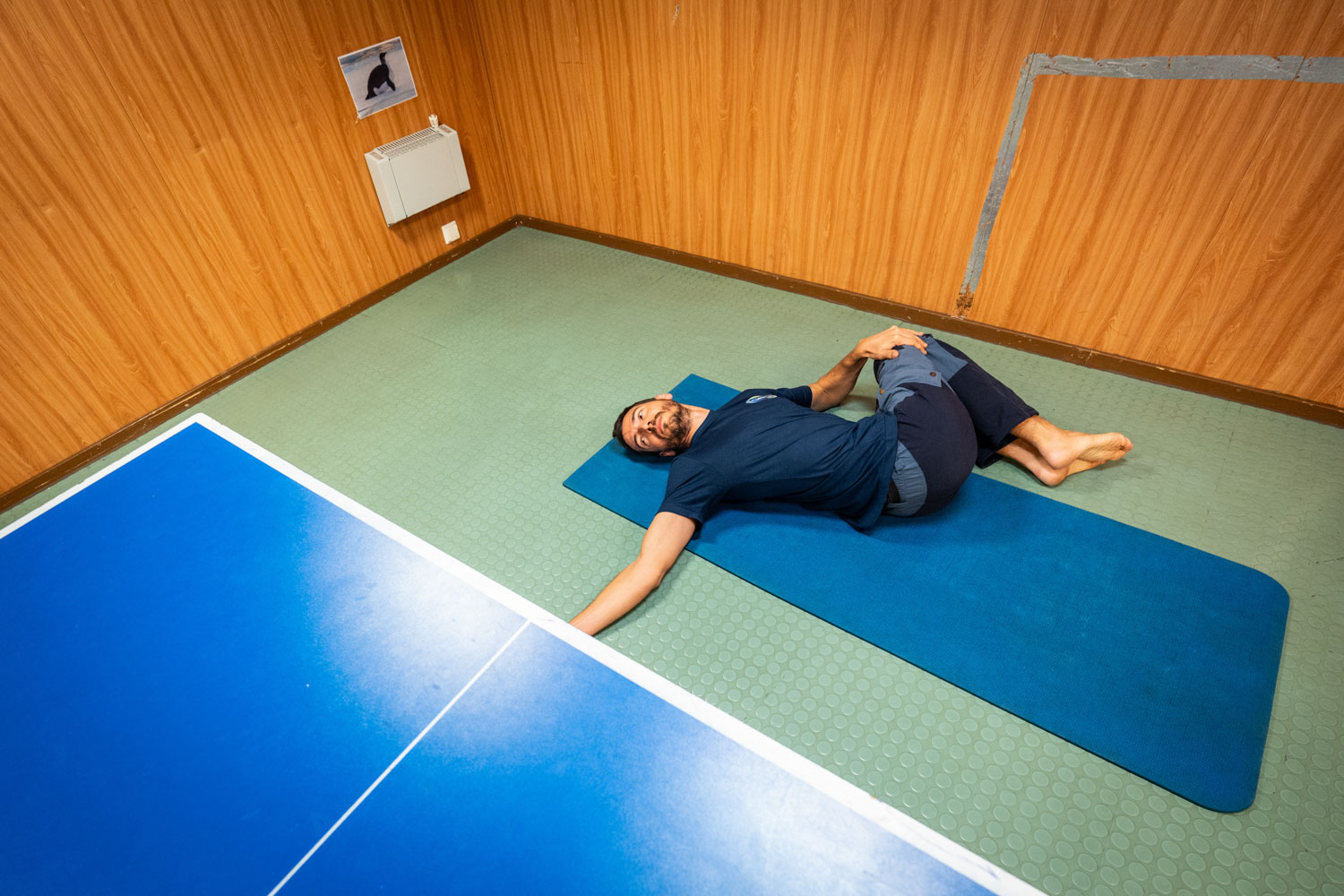
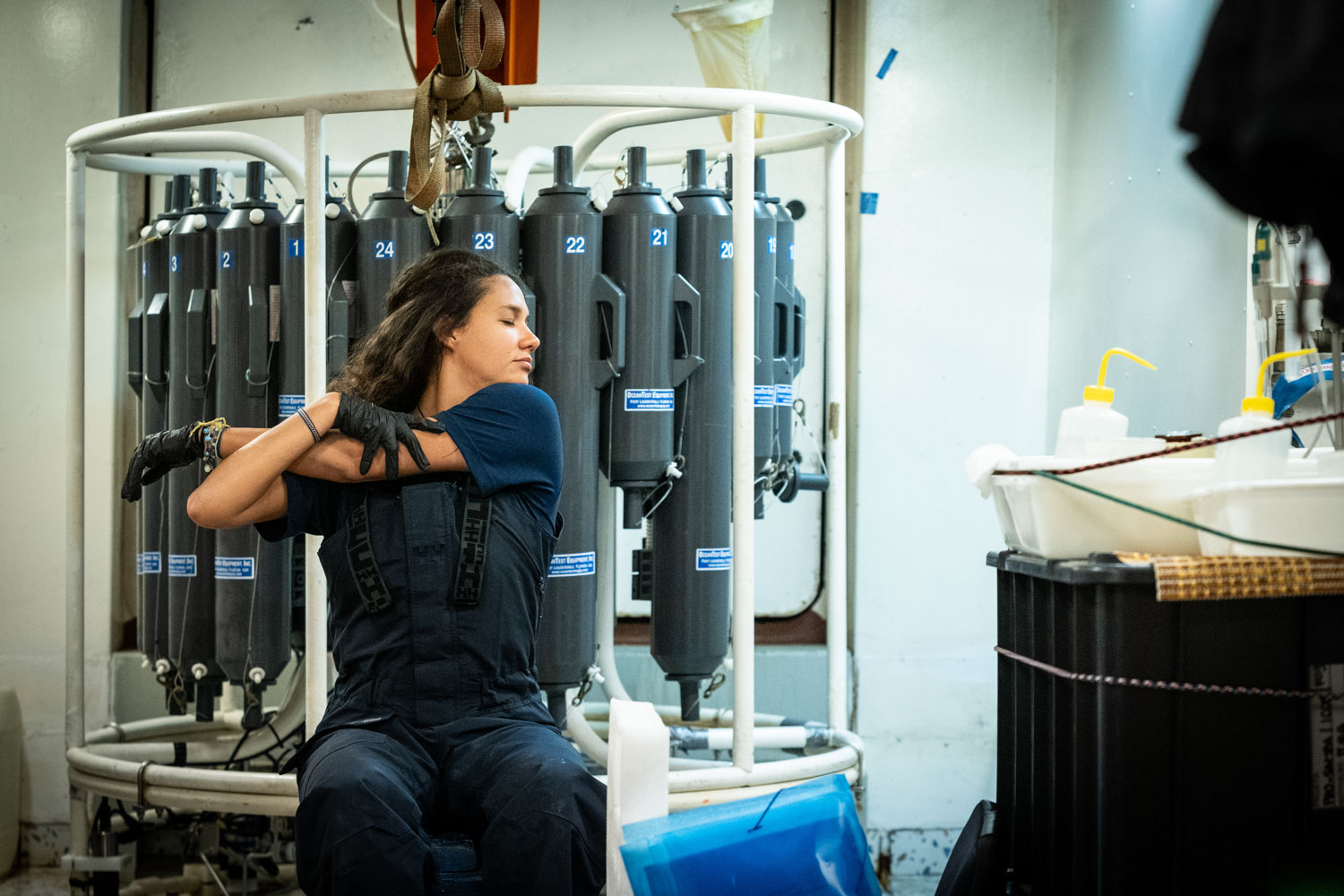
Amidst the extreme weather, a bit of normality
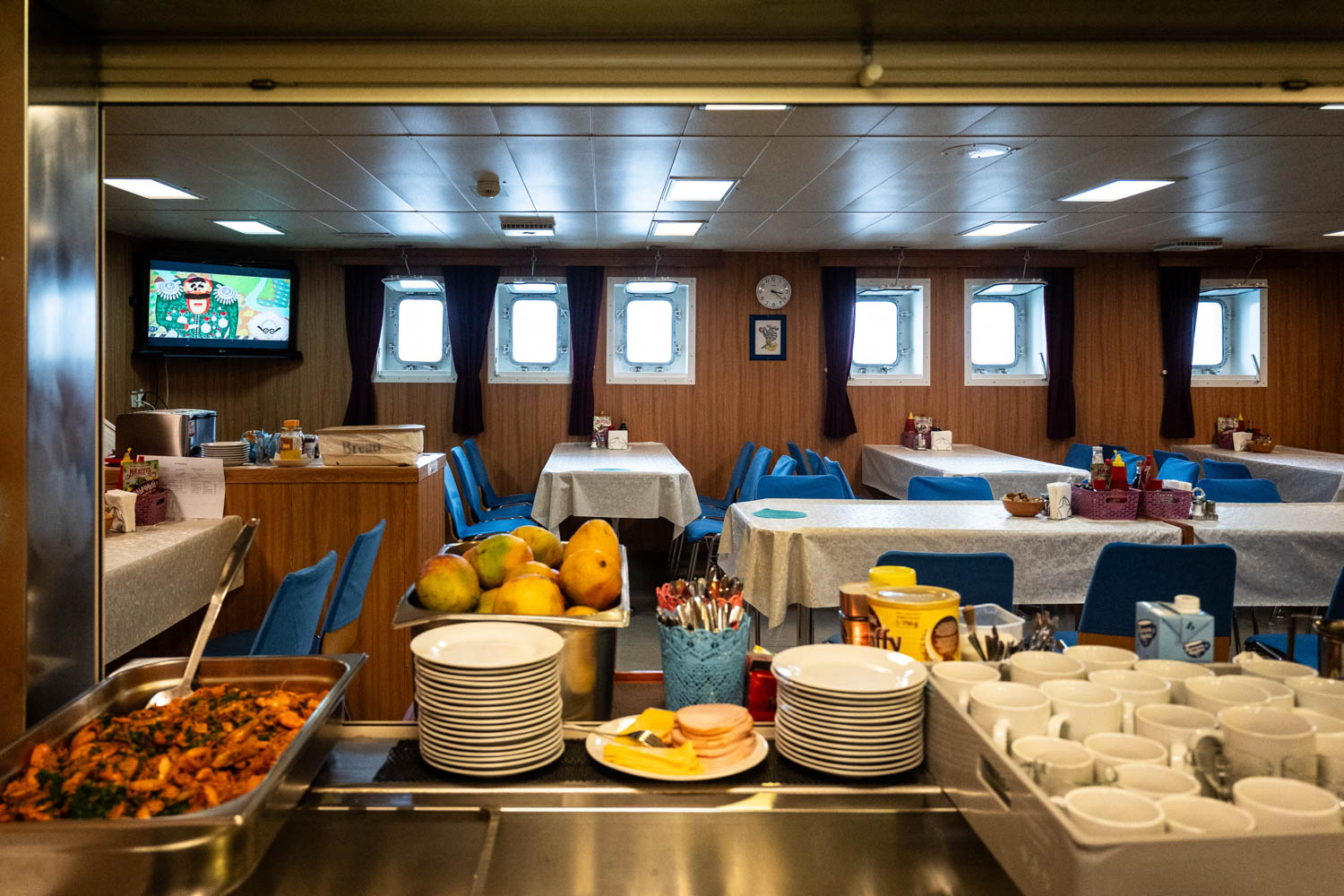
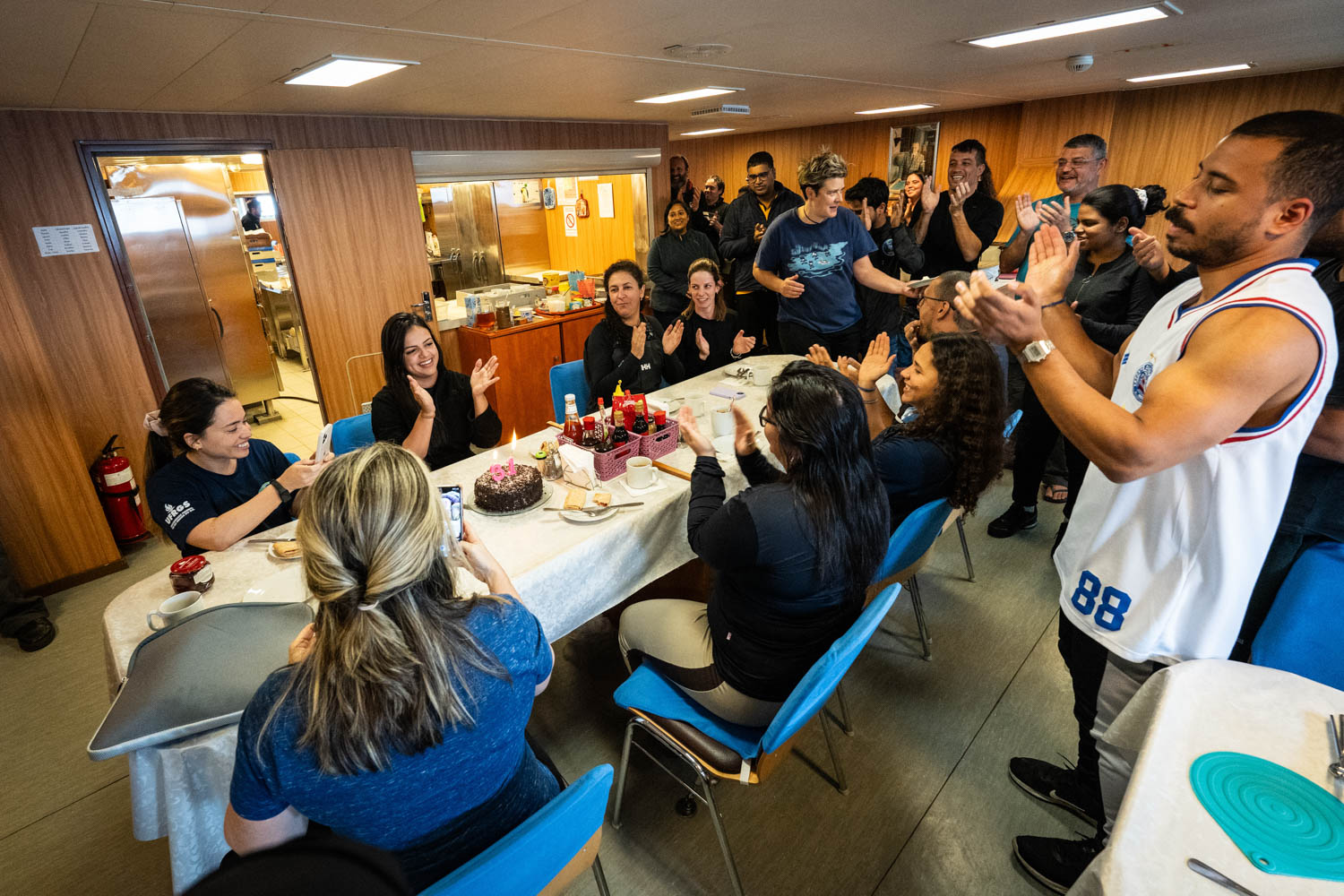
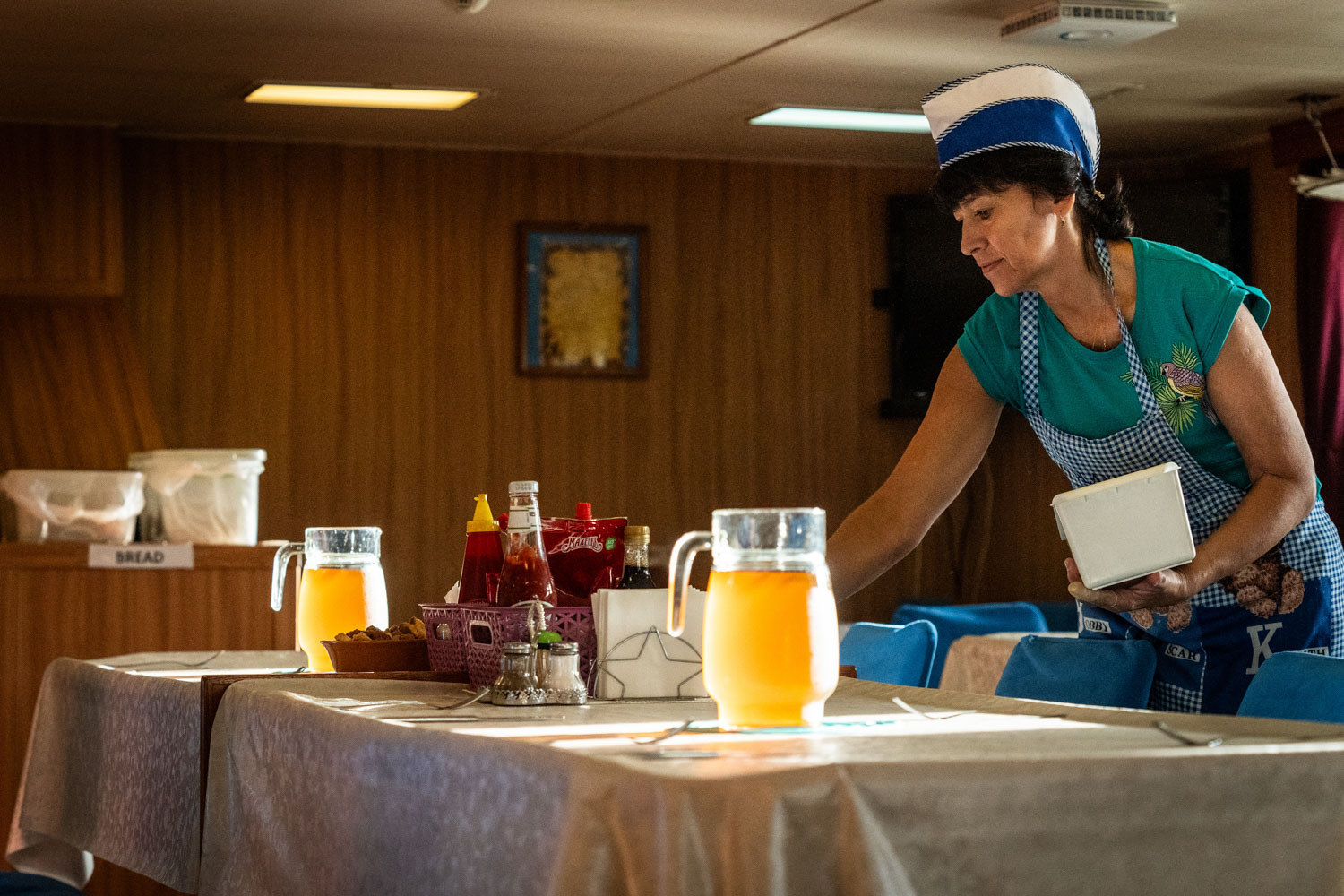
When facing a sky that never gets dark, the maintenance of habits that are part of the ordinary routine of researchers becomes essential so that day and night don’t get confused. Besides the efforts to preserve mealtimes, the group of researchers is also committed to preparing menus that are similar to those they usually consume in their respective countries. In general, canned food is only used when the scientists are staying in tents far away from the research stations. On the ship, you can prepare French fries, rice, beans, and you can even drink alcoholic beverages such as beer and sparkling wine to celebrate the year-end festivities.
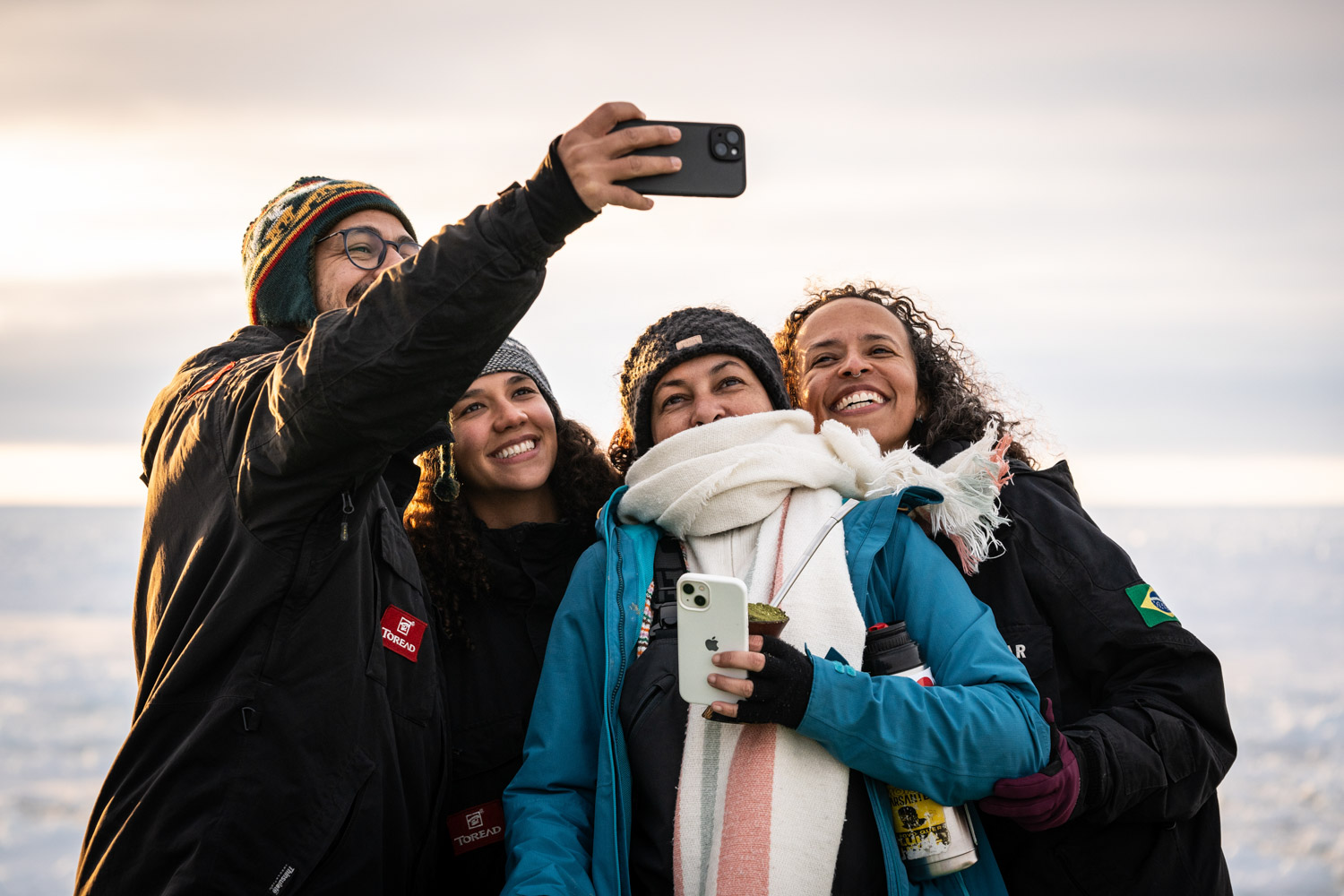
In this unprecedented expedition led by UFRGS, Argentineans, Chileans, Peruvians, Indians, Russians, Chinese, and Brazilians will spend Christmas and New Year’s together sharing cultural traditions. In the case of the Russians, the birth of Jesus Christ is only celebrated on January 7th, because most citizens follow the Julian calendar, which is based on the principles of the Orthodox Church. For the Chinese, the New Year will only occur on January 29th, during the New Moon, when the researchers will have already returned home. Regardless of the characteristics of each culture, Lindau assures that the group will plan celebrations to ensure a sense of normality, but also create joyful moments in everyday life.

Continuous tension and permanent monotony
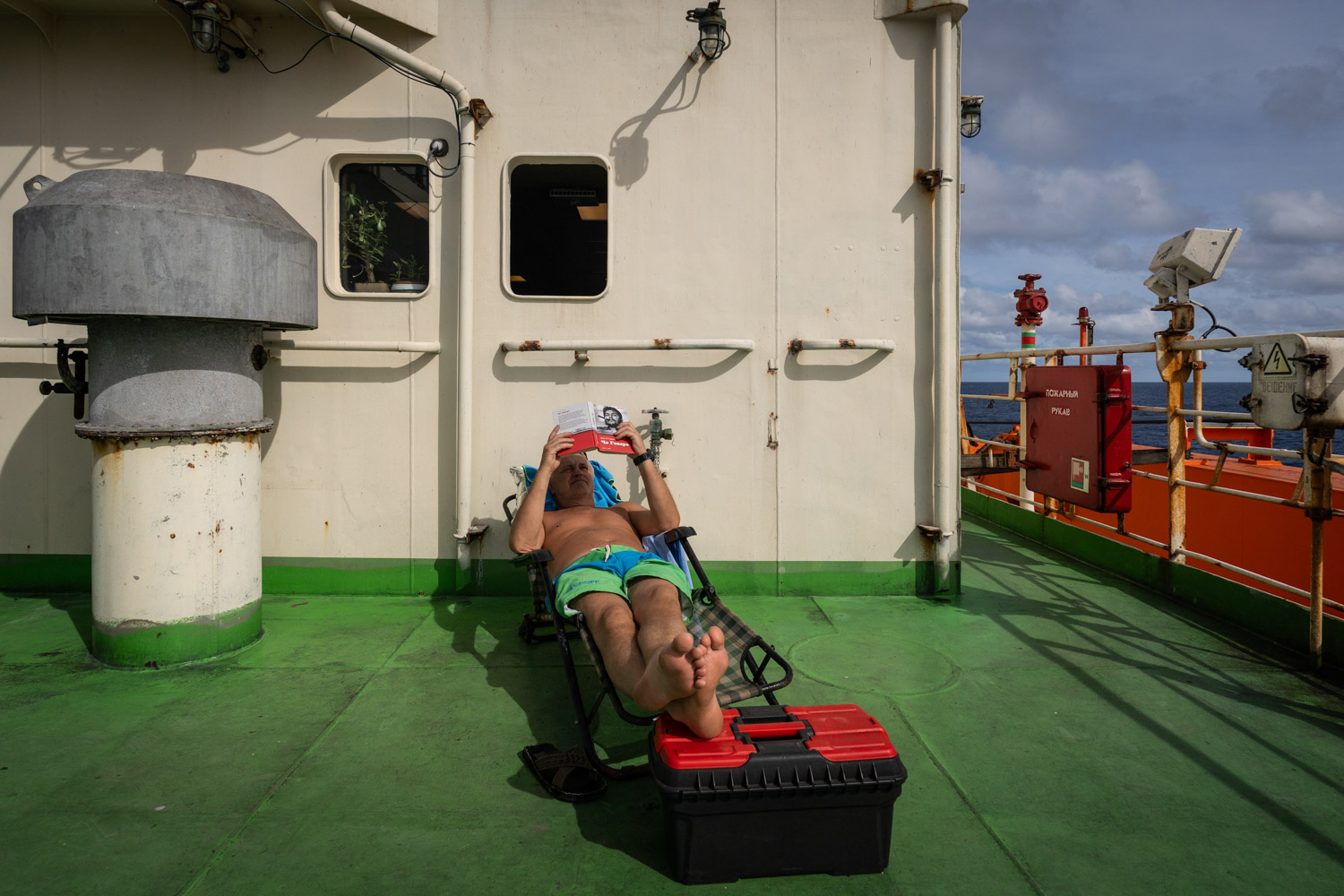
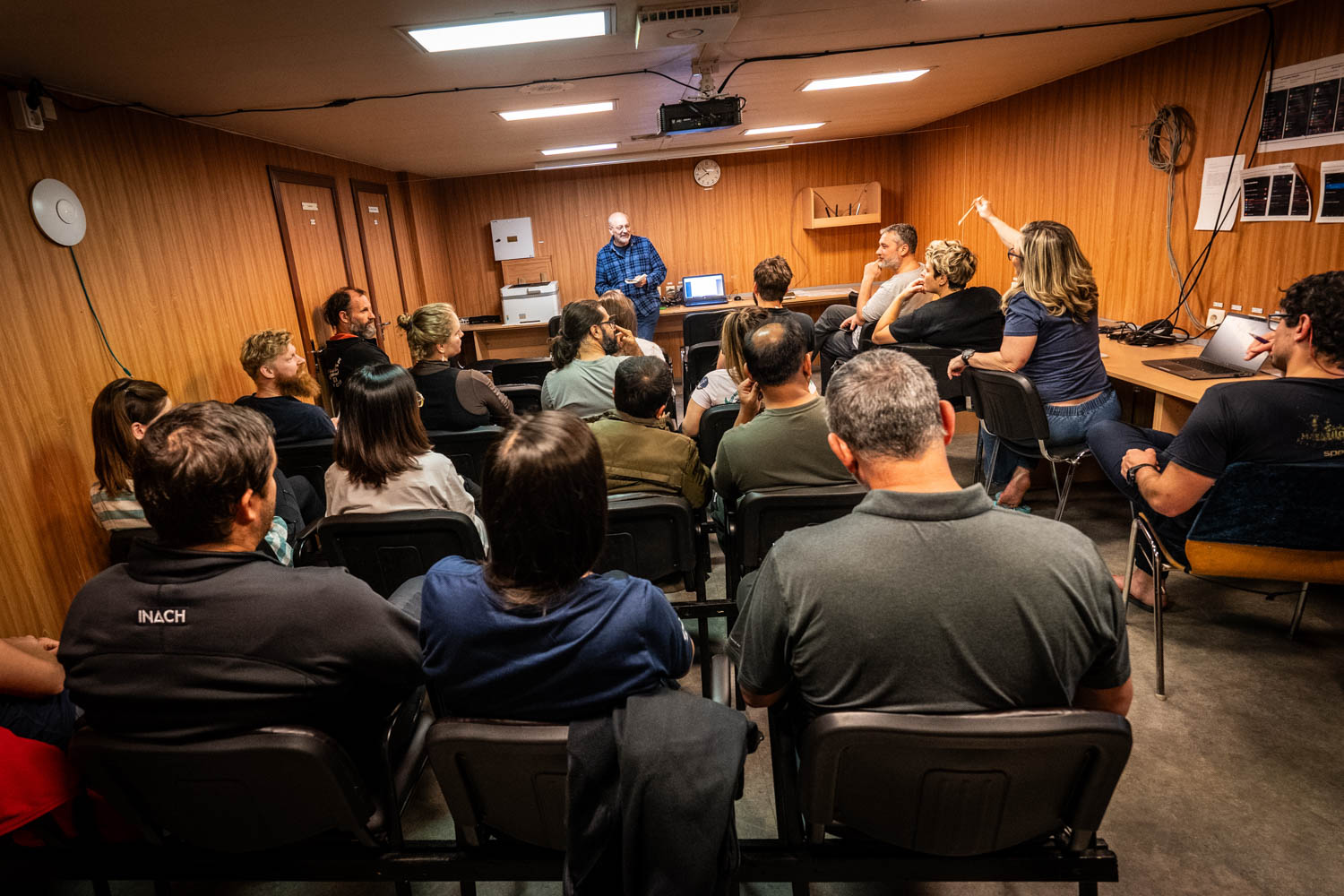
Lindau’s report on the organization of collective activities to distinguish one day from the next highlights the monotonous context that marks Antarctica, despite the breathtaking landscapes and extraordinary animal life. Although the Antarctic continent keeps the researchers on constant alert as the weather can quickly turn violent, the uncertainty is less latent than the monotony. Paola Barros-Delben, who holds a PhD in Organizational Work Psychology from the Federal University of Santa Catarina (UFSC) and has studied polar regions and ICE environments (isolated, confined, and extreme), explains that both the continuous tension and the inalterability of the routine cause anxiety.
In addition, more damage is done to the emotional well-being of the researchers due to the lack of privacy, the feeling of being confined, the difficulty in reconciling sleep and the limited sociability.
“All these trials and tribulations will indeed affect mental health, mainly because of the social restriction. It’s not that they don’t have access to social interactions, but they are limited to the group that is present at the time. Little by little, you start to notice some kind of irritability and fatigue”
Paola Barros-Delben
According to the psychologist, it’s not uncommon for scientists to return from missions to Antarctica with a kind of burnout. Conceptually, burnout or Professional Exhaustion Syndrome is associated with a stressful work environment, not with a space where one shares residence and work, as is the case with this expedition. In practice, however, the symptoms are very similar.
The impressiveness and grandiosity of the most inhospitable place on Earth doesn’t prevent the complexities of individuals from manifesting themselves because the workers who are there in the service of scientific research are, in the first instance, subjects.

Photo/Video © Anderson Astor and Marcelo Curia
Translated into English by Ana Carolina Silveira Almeida, undergraduate student enrolled in the course “Supervised Translation Training I (English)” of the Undergraduate Program in Language and Literature, under the supervision and translation revision of Professor Elizamari R. Becker (P.h.D.) – IL/UFRGS.
:: Read in portuguese