
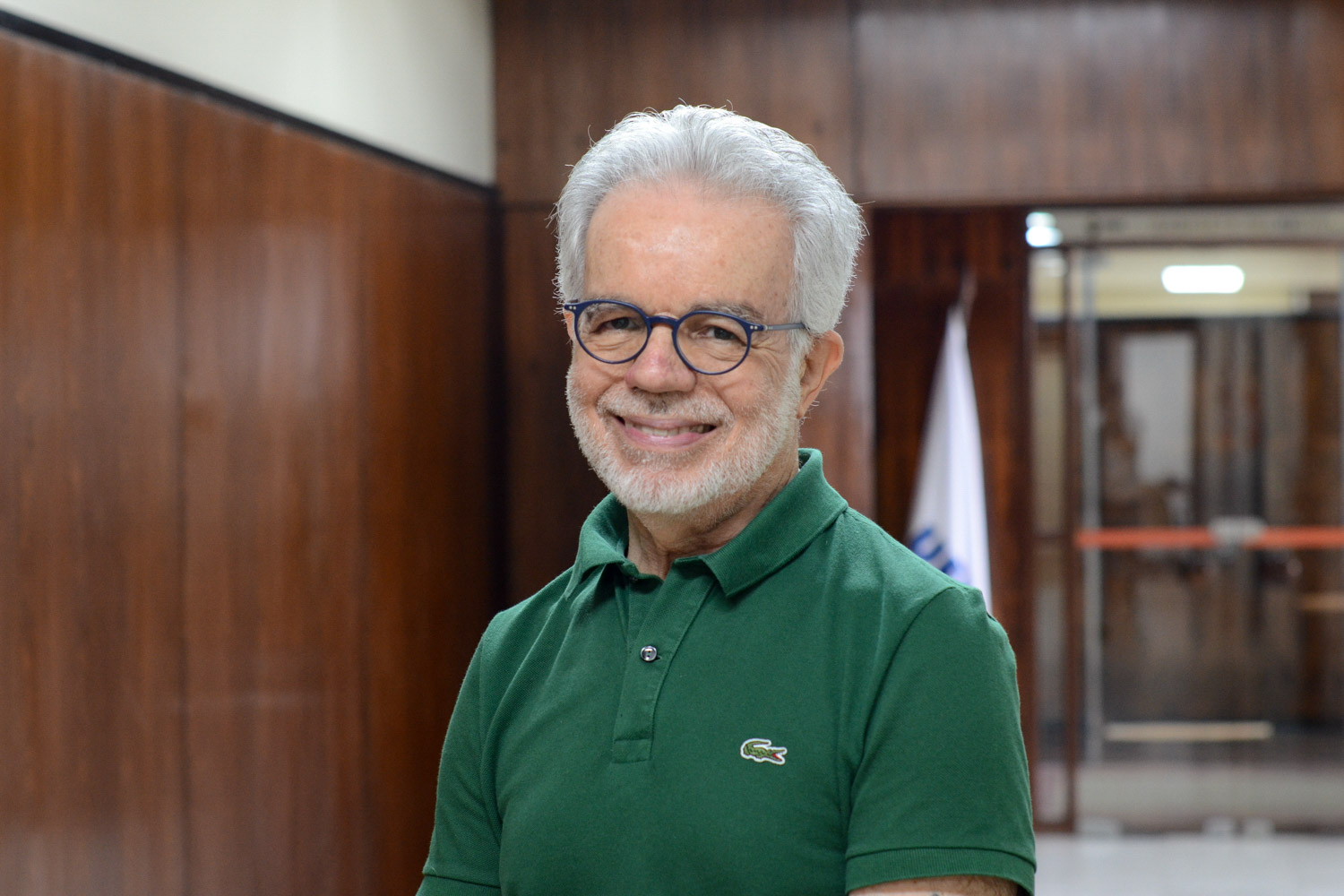
Interview | Carlos Dora, former Health and Environment Coordinator at the World Health Organization, addresses the intersection between urban challenges, misinformation, climate change, and public health
*First published April 30, 2025
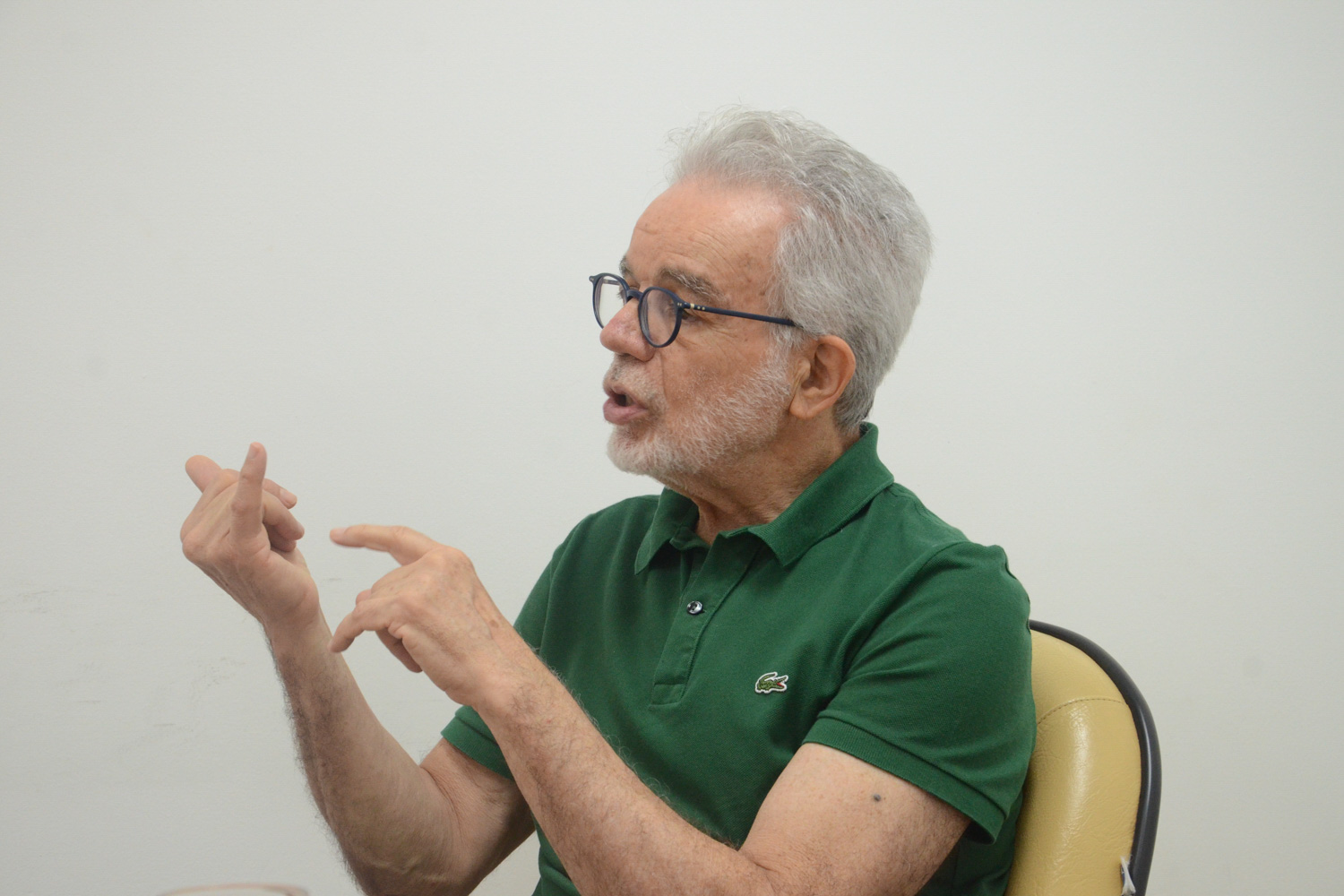
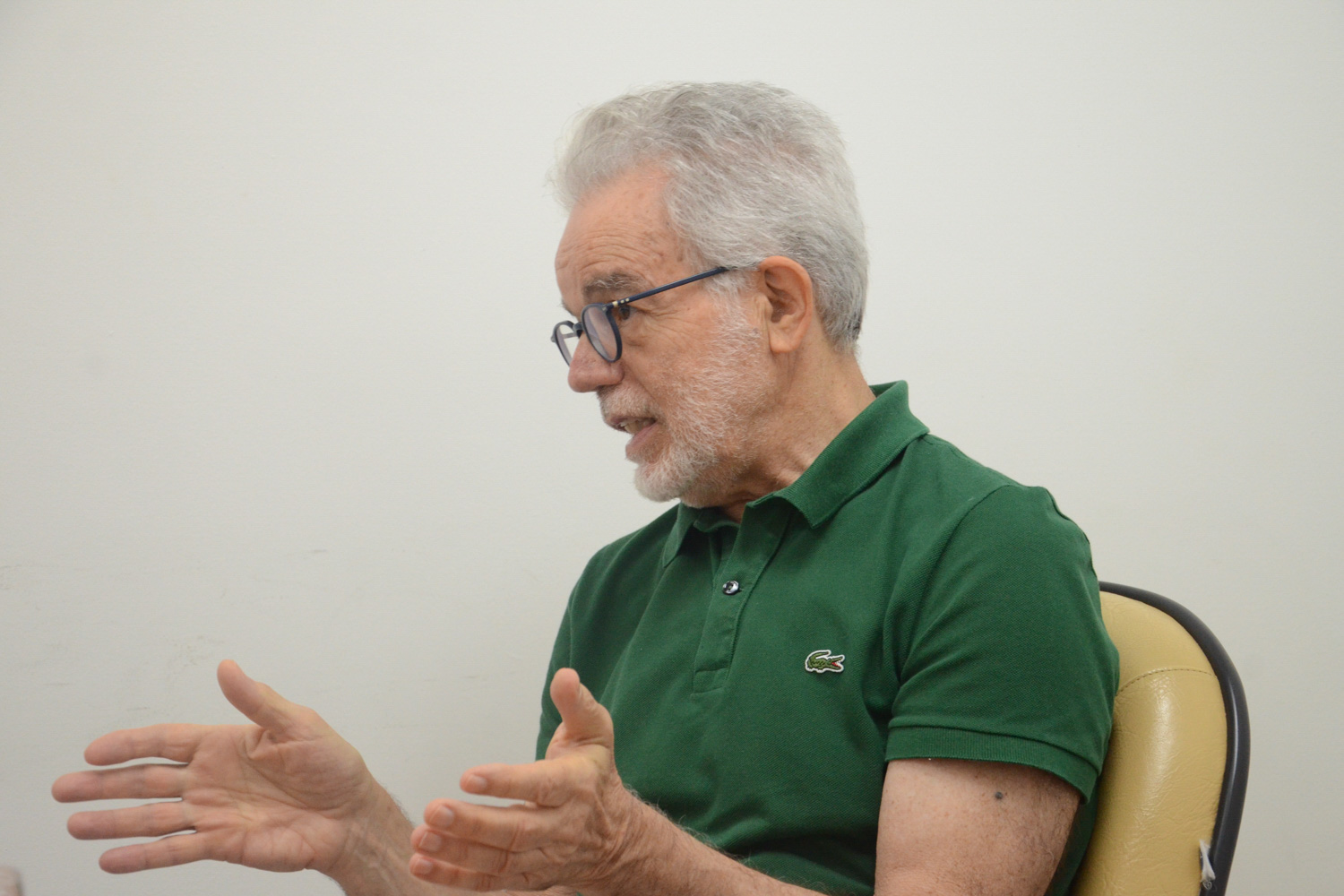
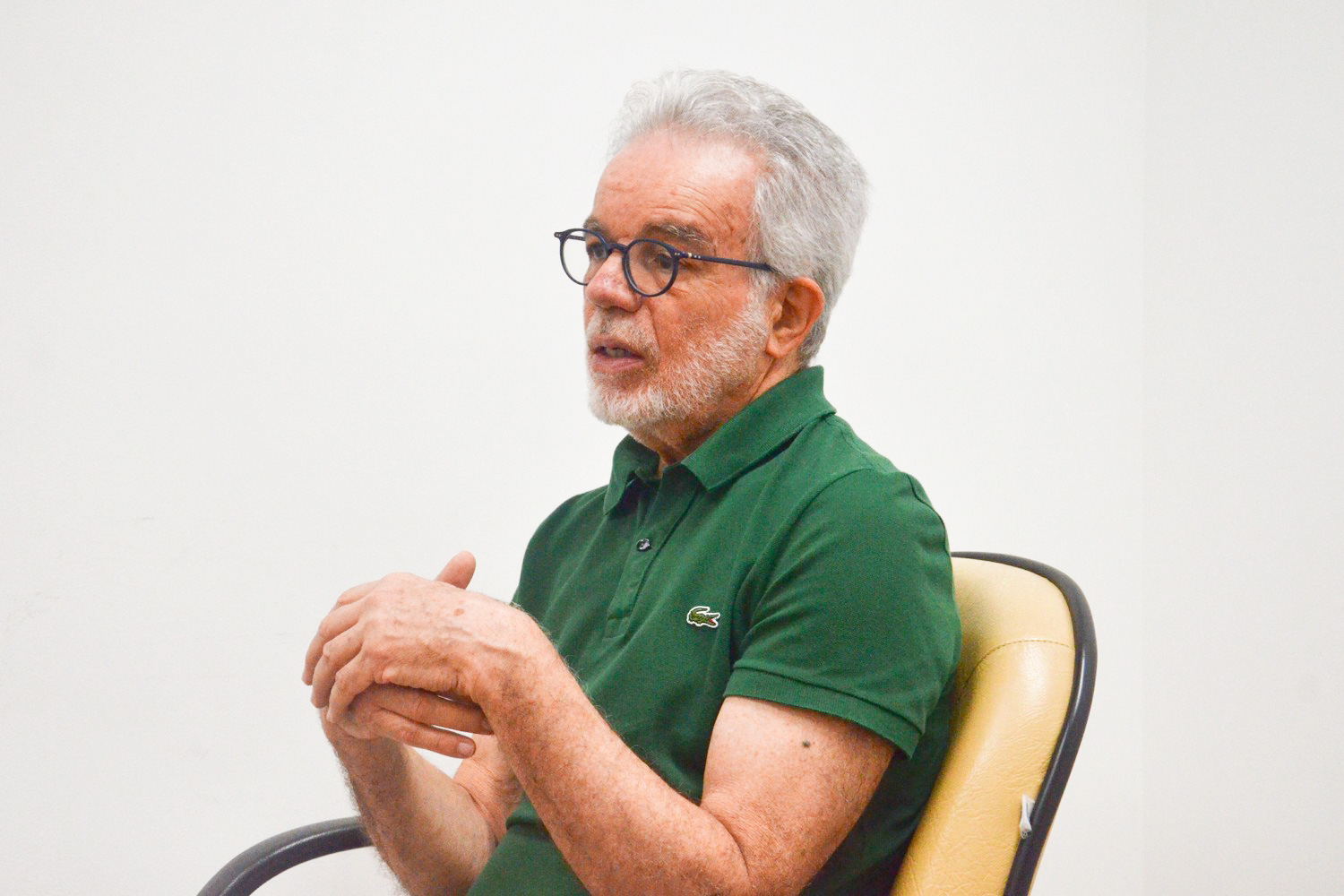
*Photograph: Pietro Scopel/JU
Drawing on his broad experience with cross-sector policies and efforts to curb the impacts of climate change, New York University professor Carlos Dora focuses on examining the growing environmental challenges in cities.
Dora studied Medicine at UFRGS and took his Master’s and PhD at the London School of Hygiene and Tropical Medicine. Back in Porto Alegre as a visiting professor, he teaches a course on Climate Change and Health in Cities within the Graduate Program in Public Policies.
He believes that “a city needs efficient land management. If urban areas are completely paved, rainwater won’t be absorbed, leading to flooding. That’s why it’s essential to create green spaces among buildings, as they enable the soil to absorb rainwater and help cool the city. Proper planning is key to addressing climate challenges.”
In an interview with Jornal da Universidade, Dora reflects on the vital role of universities, society, and governments in the search for sustainable urban solutions. Throughout his remarks, he emphasizes that “the place where we live determines the air we breathe,” underscoring how the urban environment directly shapes our health and life quality, among other fundamental aspects.
Why is it important for sectors like health, environment, urban planning, and education to work together to develop integrated solutions to climate challenges?
The sectors you mentioned are essential for raising awareness and engagement. It’s the transportation sector, however, that really needs investment and adaptation in its operating model. I believe that public transportation plays a crucial role in this context. If more people opted for collective transportation, infrastructure, for example, could be improved.
Despite the presence of bus-only lanes in Porto Alegre, much of the buses are old-fashioned models that still depend on combustion engines. Adopting modern and sustainable electric vehicles would improve public transportation, making it more efficient and pleasant. People deserve a high-quality system, with quieter and more comfortable buses. It is worth noticing that while private companies have an important role to play in this transition, the public sector must also engage actively and take responsibility in moving the discussion forward.
We need to envision a transportation and mobility system that not only improves people’s quality of life, but that can also withstand the impacts of climate change and that ensures public health.
A city transportation system has a huge impact on the amount of traffic accidents, on people’s practice of physical activities and even in the air quality. Does Porto Alegre, for example, provide enough bike lanes and spaces for cycling? Are there appropriate sidewalks for people to walk on? It’s essential to invest in safe and accessible infrastructure for pedestrians and cyclists, while also addressing noise pollution and environmental impacts.
This problem wasn’t thoroughly addressed in the past elections and I think it is a serious matter that concerns the future of this city. In this context, the university is an important vehicle that can shed light on this topic. But civil society has to be actively engaged in this discussion.
How do you see the link between social inequality and the impacts of climate change in cities?
Certain populations are more vulnerable, as they face multiple forms of discrimination and live in areas with higher climate and health risks.
Climate impacts will mainly affect urban populations, rather than people in regions such as the Amazon. People living on the outskirts of cities are already exposed to multiple risks driven by social inequality. This intersection of risks, in my view, demands a city-centered approach, yet I don’t see it being properly addressed up to this moment.
I believe there are actions that can directly benefit people in the short term at UFRGS and in Porto Alegre. We don’t need to wait for the future or for some distant climate scenario. What matters is understanding how the city’s economic sectors operate and what strategies they adopt to tackle these challenges. We can’t focus on the “end of the world” when people are struggling with the end of the month. Climate solutions, therefore, must be connected not only to environmental concerns but also to people’s everyday reality.
Can the lack of awareness and misinformation about the effects of climate change undermine government actions?
Absolutely. In fact, this is one of the main challenges we face today. It’s not only about the climate change itself, but also the widespread misinformation, often advancing the private interests of those people who control major international media outlets. Their aim is not to promote the public well-being, but to safeguard their own financial goals.
Nowadays, it is possible to use technology and the necessary means to identify and record this kind of misinformation; more importantly, we can fix that. I remember that the World Health Organization (WHO) had to deal with a lot of fake information during the covid-19 pandemic. Who could forget the controversy over chloroquine? Many claims were made without any scientific basis. This is a clear example of how misinformation can undermine important decision-making, especially in areas such as health, where scientific evidence is essential. In medicine, one of the most important principles we learn is: “first, do no harm.” This should also apply to other areas.
It is essential to adopt strategies like those implemented by WHO during the pandemic to effectively combat misinformation. The organization developed a system to address misinformation epidemic, the “Infodemics Knowledge”. This system works by detecting misinformation and, instead of merely denying it, which can inadvertently amplify its reach, the program also focuses on providing accurate information in a clear and straightforward way. This is essential to reduce the impact of fake news and ensure that people have access to reliable information to make informed decisions.
What lessons from the covid-19 pandemic can help us address the climate crisis?
I think one of the biggest lessons was how to manage misinformation, as I mentioned earlier. The pandemic showed that this can be effectively addressed, particularly within WHO. During that time, courses and mechanisms to counter misinformation were developed, but unfortunately WHO later discontinued them. Still, the fact that the methodology and techniques exist means that these tools can be applied in other contexts, including climate issues and community challenges.
The urban transformation that many cities went through is another great lesson for us. Some cities quickly reorganized their public space to meet new needs, such as better ventilation and social distancing. In New York, for instance, coffee shops took over the streets, creating open-air spaces with quick, low-cost solutions such as plastic barricades, transforming roads into areas for pedestrians and cyclists. This shows that cities can be quickly adapted if there is a clear need for it.
For me, the clearest example from the pandemic was how society grew more aware and caring about the community’s health and well-being. When everyone recognized the importance of the air we breathe, it became clear how a city can be reshaped to protect its inhabitants’ well-being. This kind of urban transformation is possible, because cities have already shown that they are capable of reinventing themselves.
Translated into English by Laura Lameira Ekman, undergraduate student enrolled in the course “Supervised Translation Training I (English)” of the Undergraduate Program in Language and Literature, under the supervision and translation revision of Professor Rozane Rebechi (P.h.D.) – IL/UFRGS.
:: Read in portuguese
Carlos Dora: “Soluções climáticas devem estar conectadas à realidade cotidiana das pessoas”