

Design | Even facing the consequences of the economic crisis and the pandemic, assistive technology has gained importance at UFRGS due its easy handling, especially to improve the quality of life of people with disabilities and post-mastectomy women
*Image: Mariana Pohlmann / Personal Archive
*By Elstor Hanzen / September 22, 2022
Just as tailored clothing is made, assistive technology – an area of knowledge that encompasses devices, practices, and services to improve the functionality of people with disabilities, difficult mobility, or physical limitations – and digital manufacturing allow the production of external breast prostheses, hearing aids, prosthetic arms and legs, etc., all personalized. This work has been developed at UFRGS for about 20 years and was consolidated after the creation of the Graduate Program in Design in 2007. The creation of public policies to guarantee the rights of people with disabilities, such as access to education, health, culture, social inclusion and accessibility, was a big breakthrough (Decree Nº 7.612/2011 and Law No. 13.146/2015). The 2016 Paralympic Games, held in Brazil, were also important for disseminating the culture of inclusion in the Brazilian society.
“In this context, there has been an important development, with increasing numbers of projects. But unfortunately, the economic crisis has refrained the boost of the area, causing a reduction of projects in recent years. In order to have a real applicability, we always seek to validate developments with users and, in this sense, the pandemic was also an obstacle. We are not standing still, but I hope that in the coming years we can strongly resume the pace of research,” reports the coordinator of the Laboratory of Design and Selection of Materials (LDSM) at UFRGS, Fabio Pinto da Silva.
Fabio also explains that despite the nomenclature ‘assistive technology’ has been recently coined the knowledge and practice in this area have long existed – there used to be, for example, the expressions ‘technical aids’ and ‘digital manufacturing’, and this later, which is not exactly new, has become more openly widespread only recently.
“Projects in this area have always been important and continue to be. They aim to provide autonomy, independence, quality of life and social inclusion to people with disabilities or difficult mobility.”
Fabio Silva
Raquel Sudbrack, a master’s student in the Programa de Pós-graduação em Design (Graduate Program in Design), says she has always liked to be involved with projects that improve quality life and have a social purpose. “In this case, I have the possibility to learn about a tool as the 3D scanner and, in addition, the opportunity to apply this knowledge in partnership with the health area. That is what motivated me the most.” The 3D scanner – in the case of Raquel’s study, a portable scanner – obtains digital models from the capture of the surface of physical objects. “In my research, the equipment was used to scan the breast region of post-mastectomy women – women who had undergone breast removal surgery. Thus, a digital image of this region of the body was created. As a result, personalized models of external breast prostheses were designed to each woman who was scanned,” she says.
Technology for the benefit of women
Breast cancer is the second most common cancer among women and number one in mortality rate. Mastectomy, followed or not by breast reconstruction, is one of the therapeutic strategies used in 70% of patients. When breast reconstruction is not performed, patients may resort to the use of external prostheses. “Aided by highly technological resources, such as 3D scanning and nanotechnology, as well as the use of carefully selected materials and a personalized production process, our goal is to increase the feeling of comfort and well-being in post-mastectomy women,” highlights the professor of the Programa de Pós-graduação em Design (Graduate Program in Design), Mariana Pohlmann, that has been leading a study on customization of external breast prostheses initiated in 2018.
Mariana explains that, regarding the products aimed at women and the ongoing research, the great advantage of using 3D technologies (which include both scanning and printing) is the possibility of customization.
“By using such technologies, unlike the standardized products that are available on the market, women have the possibility to receive a tailor-made product”.
Marianne Pohlmann
The researcher explains that this knowledge can influence women’s lives in many ways, because if breast reconstruction is not performed (due to age, lack of information, financial issues, fear of undergoing new surgery or the need for radiotherapy), patients may have changes in postural control that are reflected in static and dynamic balance, with increased instability, as well as discomfort in the neck and back. “Apart from the physical issues, patients often face a series of psychological problems, such as depression and anxiety, because of the fear of social discrimination. In order to minimize discomfort and increase the benefits of using external breast prostheses, the research delivers the design as an essential tool that is capable of articulating the relationships between form, material and manufacturing process,” she explains.
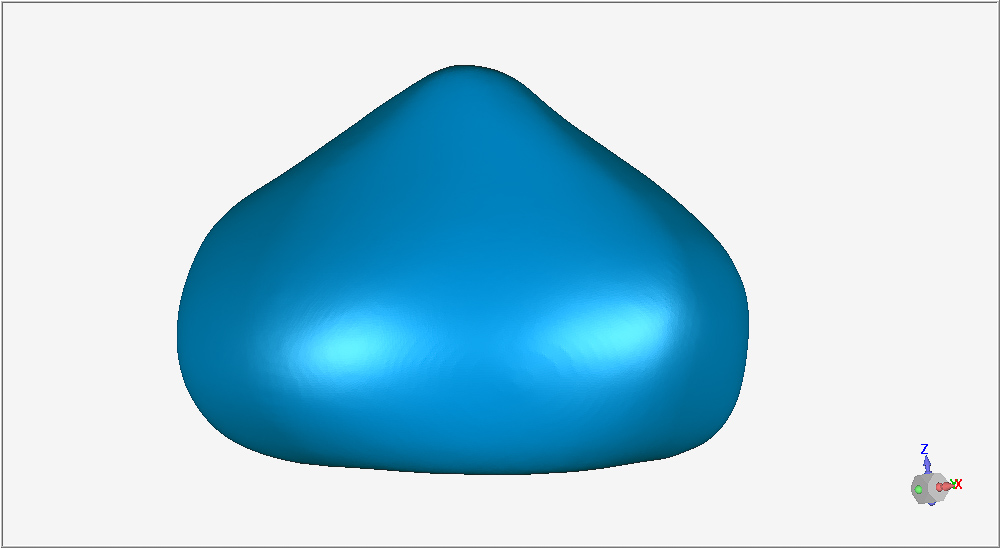
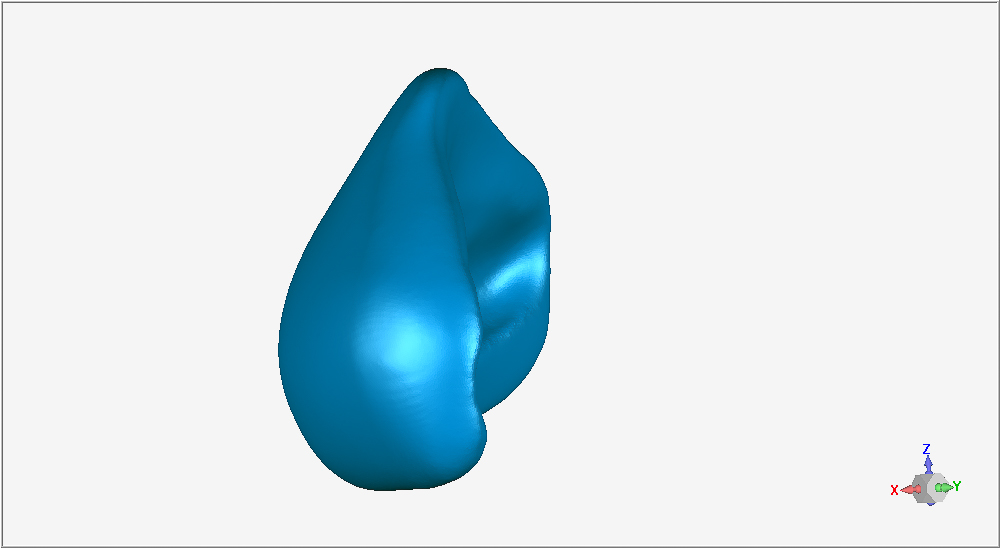
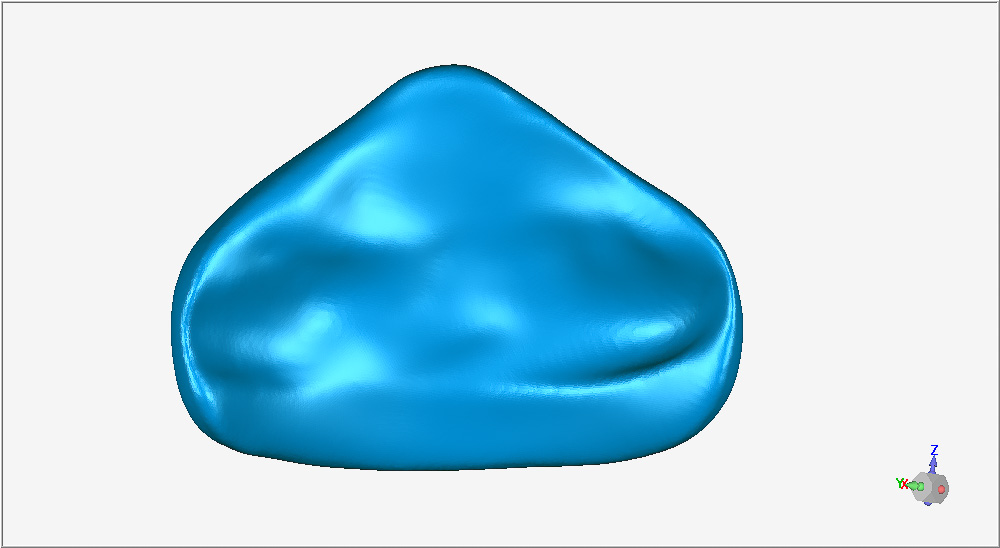
(Pictures: Mariana Pohlmann / Personal File)
Positive impacts for people with disabilities
In spite of the difficulty to estimate the number of beneficiaries, having in mind the wide range of services provided, the data collected by the Brazilian Institute of Geography and Statistics (IBGE) in 2018 indicate that 12.7 million people have some type of disability in Brazil, that is, 6.7% of the population. Only in the Associação Leopoldense de Deficientes (ALDEF), there are 2,5 thousand disabled people currently registered and who can be impacted by the knowledge produced at UFRGS, even to get a job.
The president of Associação Leopoldense de Deficientes, Ademar José dos Anjos, says that accessibility for people with disabilities has improved in recent years, although there is still a lack of empathy and opportunity in the job market. For example, companies are open to hiring, but do not have adaptations to receive these employees.
“The law guarantees reservation of vacancies to PCDs (people with disabilities) in companies which hire 100 or more employees, but in practice this does not happen as it should. People like to help when they appear in the media.”
Ademar dos Anjos
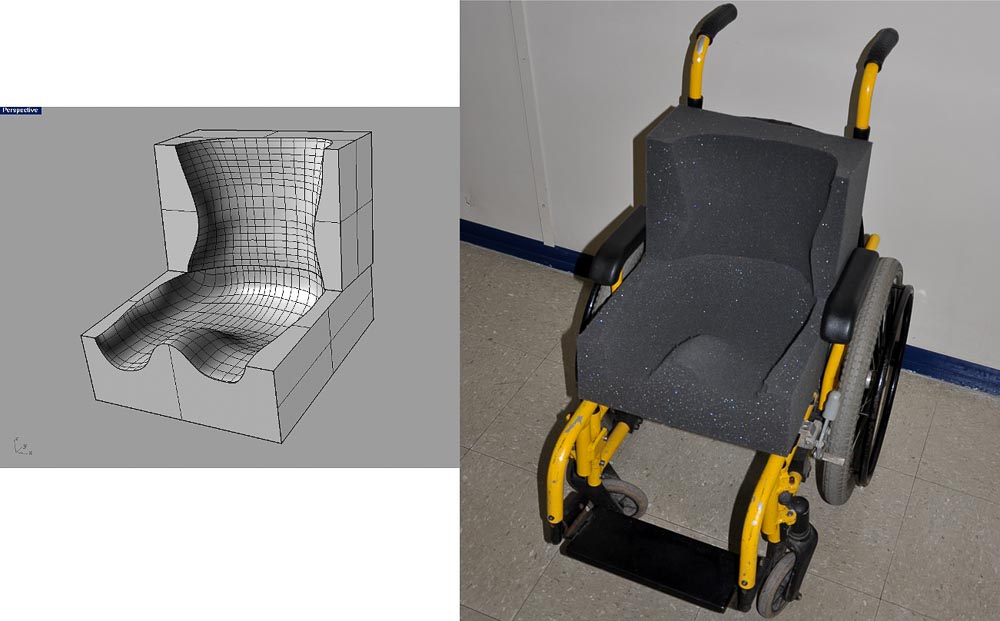
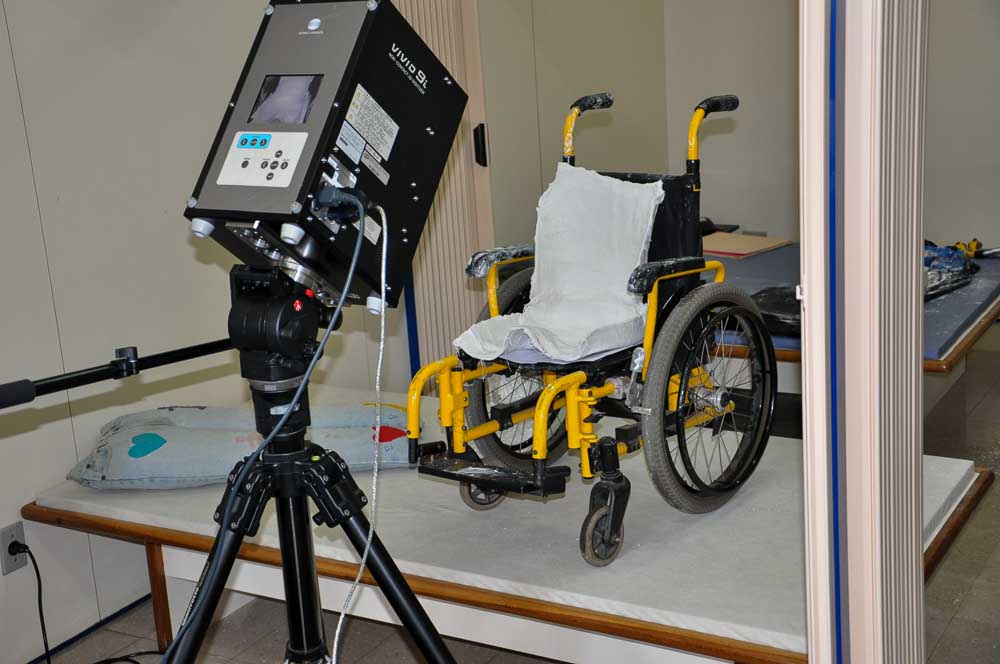
Policies and scientific and technological research are key to help those in need. Through them, products, equipment, devices, resources, methodologies, strategies, practices, and services are developed. “It is important to say that, in order to achieve innovation, that is, for the results reach society, investments and commercial partners are necessary. I can give some examples of projects which were concluded or are in progress: seats for wheelchairs; orthoses and prostheses; application of assistive technology in activities of the elderly, in schools, in teaching and alternative communication; tactile resources for people with visual impairment,” emphasizes Fabio.
He also highlights the role of design as a transdisciplinary field, involving material aspects, manufacturing, ergonomics, and sustainability. “A striking feature of the designer is that he/she is able to convert user needs into project requirements.” To achieve this, external funding is essential. “In general, we prioritize low-cost processes, which can facilitate the applicability of the results, but without investment it is impossible,” he concludes.
Translated into English by Diogo Pimentel, undergraduate student enrolled in the course “Supervised Translation Training II (English)” of the Undergraduate Program in Language and Literature, under the supervision and translation revision of Professor Elizamari R. Becker (P.h.D.).
:: Read in Portuguese
Tecnologias assistivas ganham impulso com a praticidade da impressão 3D