
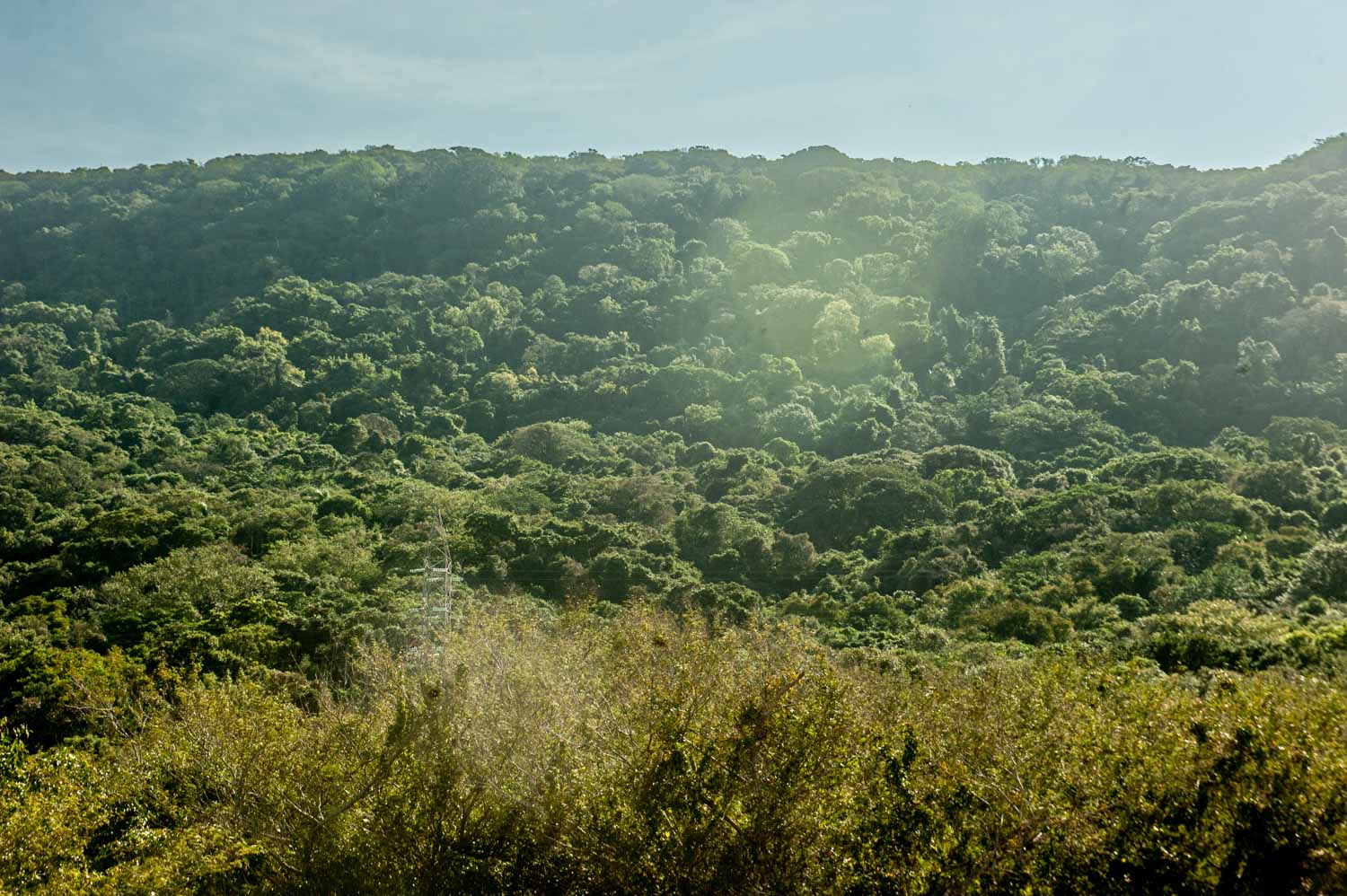
Environment | UFRGS community outreach project brings together educational institutions, civil society, and public entities to discuss the sustainable development of the territory, designated as an Environmental Protection Area (APA) since 1994
*By Carolina Zanette Dill
*First published on July 06, 2023
*Picture: Flávio Dutra/JU
Along the BR-101, in the municipality of Osório, heading towards the northern coast, one can spot a large hill covered by greenery, known as Morro de Osório, also referred to as Morro da Borússia. Many who travel along the highway may not even imagine that the 14.984 acres territory is one of the last remnants of the Atlantic Forest in the region. Moreover, those who decide to venture along the roads leading to its summit encounter few signs identifying the area as an Environmental Protection Area (APA).
The richness of the region is partly reflected in its biodiversity. Its flora stands out due to the presence of canjerana, golden trumpet flower, red angico and red camboatá, as well as endangered species such as juçara palm, araucaria, xaxim, orchid and almécega. As for fauna, more than 287 species have been recorded, including birds, amphibians, reptiles, mammals, and fish. Additionally, important hydrographic basins of Rio Grande do Sul traverse the area, such as the basins of Sinos River, Tramandaí River, and Medium Litoral.
Historian Isabel do Santos says that in the 1970s, the region was dominated by industrial-scale sugarcane plantations. “In the front part of the hill, it was common to see sugarcane and corn fields. During May, they used to set fire for the harvesting, and we could see the smoke rising,” she recalls. In 1990, after the ceasing of the activities by the company that dominated cultivation, a series of discussions came into view regarding the future of the area.
The extensive territorial area was established as a sustainable use conservation unit, named APA Morro de Osório, by Municipal Law Nr. 2,665 of 1994, in an attempt to curb its degradation. Transforming an area into an Environmental Protection Area means that a certain degree of human presence is allowed, as long as the protection of the natural and cultural attributes of the area is ensured. The APAs prioritize the reconciliation between human occupation and nature conservation. That way, certain activities are acceptable – provided there are no risks to the environment.
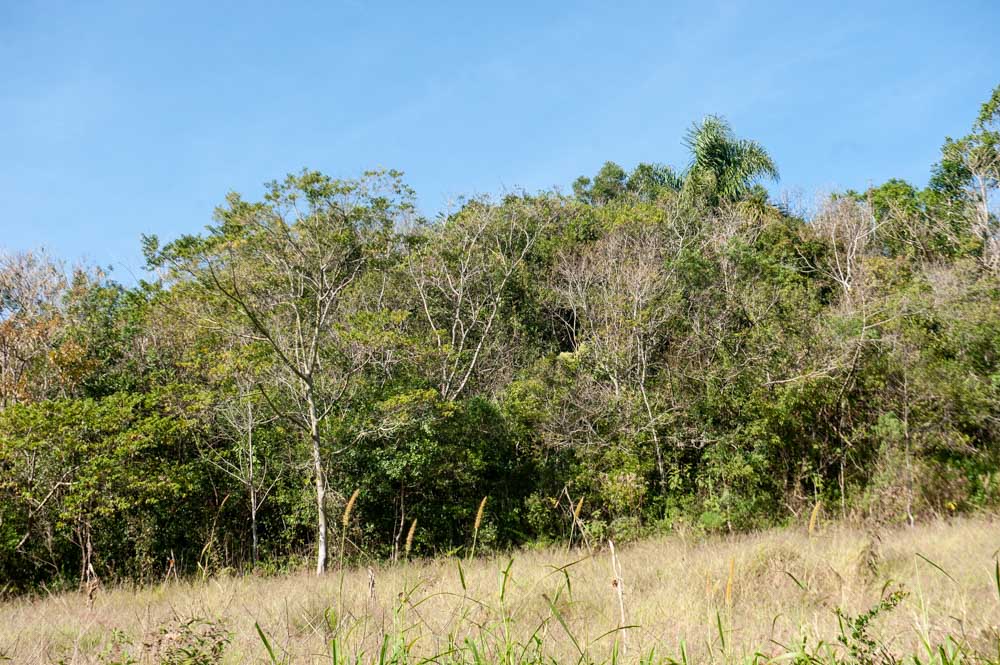
Faced with the determination and enforcement of new rules, such as the reduction of illegal deforestation, the forest has recovered. Currently, the vegetation consists of secondary forest in the middle stage of regeneration. In other words, the region underwent the degradation of its original flora and it is now in the process of recovery. According to biologist Eduardo Ruppenthal, the territory represents around 7% of the original Atlantic Forest biome of the city.
“What is left preserved is exactly the portion inside the APA. Its establishment helped preserve or try to recover the little we still have”
Eduardo Ruppenthal
The National System of Nature Conservation Units (SNUC) is the main legal instrument that underpins conservation work in Brazil. The legislation governing SNUC stipulates that every conservation unit must have its own Conservation Management Plan, a document that defines the rules for the use of the area and the administration of existing resources, and which must be renewed every five years. However, after its creation in 1994, the first Conservation Management Plan for APA Morro de Osório was only implemented in 2008, and its update process took 14 years. Based on a study funded by the CPFL Transmissão de Energia Sul II group , in November 2022, the municipal government put the new document in effect. “The Conservation Management Plan is nothing more than a guide, a master plan for this area,” explains Dirlei Souza, Municipal Secretary of the Environment, Agriculture, and Livestock of Osório.
SNUC also advises the creation of a Management Council, a collegiate body consisting of representatives from public entities and civil society related to the territory, with an advisory role specifically for addressing issues related to the APA. Until 2007, the conservation unit did not have a council. With the establishment of the Municipal Council for the Defense of the Environment of Osório (COMDEMA), the council became responsible for deliberating about the hill. It was in 2022, alongside the studies for the implementation of the Conservation Management Plan that the first Management Council was proposed. “The Environmental Council is for the entire municipality, not just for the APA area. So, it is not a task that would be within this council’s responsibilities, but in the absence of the Management Council, it ended up fulfilling that role,” explains Jonas Seminotti, professor at the North Coast Campus of UFRGS in the field of Regional Dynamics and Countryside Education.
Seminotti is the coordinator of the APA Morro de Osório, a community outreach project of UFRGS, composed of educational institutions, representatives of civil society, and public entities aimed at opening discussions on the challenges and opportunities affecting the territory.
“It is about a mediator, an articulator of the actors so that they themselves become subjects of this process. The forum is a process of resistance, especially in the sense of organizing people for resistance, which leads to preservation”
Jonas Seminotti
The forum began its discussions in 2016, in response to a demand from a collective of residents that felt the need for a slightly larger organization involving internal agents and the municipal executive power. The group questioned the implementation of transmission lines and an energy substation within its territory, as they observed the lack of in–depth studies regarding other possible locations for their construction, without considering the risks that the project could represent to the local fauna.
Led by the CPFL group, the construction of the power lines and substation is the subject of a Public Civil Action filed by the Federal Public Ministry (MPF) in 2022. In the action, the MPF requested the suspension of the construction until new studies have been conducted and more debates are held with the population.
“This was a milestone for the city. It was one of the few times that the community was able to mobilize and stop a project or, at the very least, to put some strategic brakes on negotiation,” points out Ricardo Dagnino, professor from the Interdisciplinary Department of the North Coast Campus and vice-coordinator of the APA Morro de Osório Forum.
Based on the Public Civil Action, which is in progress in the 1st Federal Court of Capão da Canoa, CPFL has conducted a new survey of public perception, completed in February of this year. In the same month, the State Foundation of Environmental Protection (Fepam) issued the operating license, allowing the company to start transmitting energy through the transmission lines.
Currently, the Forum continues to monitor the decisions and seeks to closely follow updates to the Conservation Management Plan, as well as greater participation of the residents themselves in the decision-making processes surrounding the APA.
Regional Development
Sustainable regional development should be the driving force behind an Environmental Protection Area, where the aim is to ensure that wealth generation is accompanied by measures that preserve the environment and improve the living conditions of the local population. Among the key initiatives are promotion of clean energy production, implementation of recycling and material reuse policies, support for organic farming, and encouragement of ecotourism.
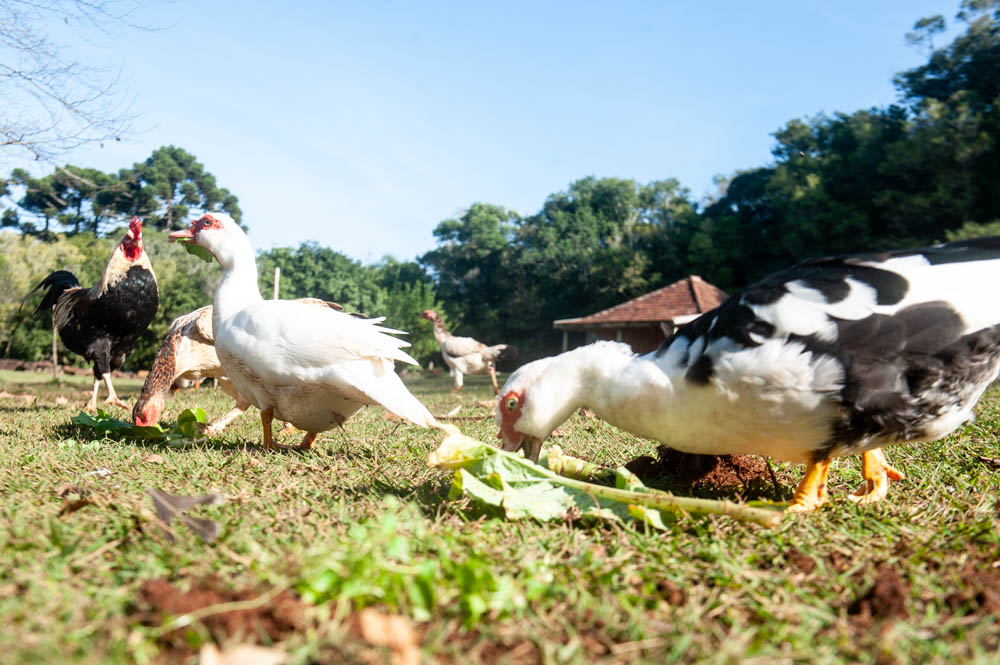
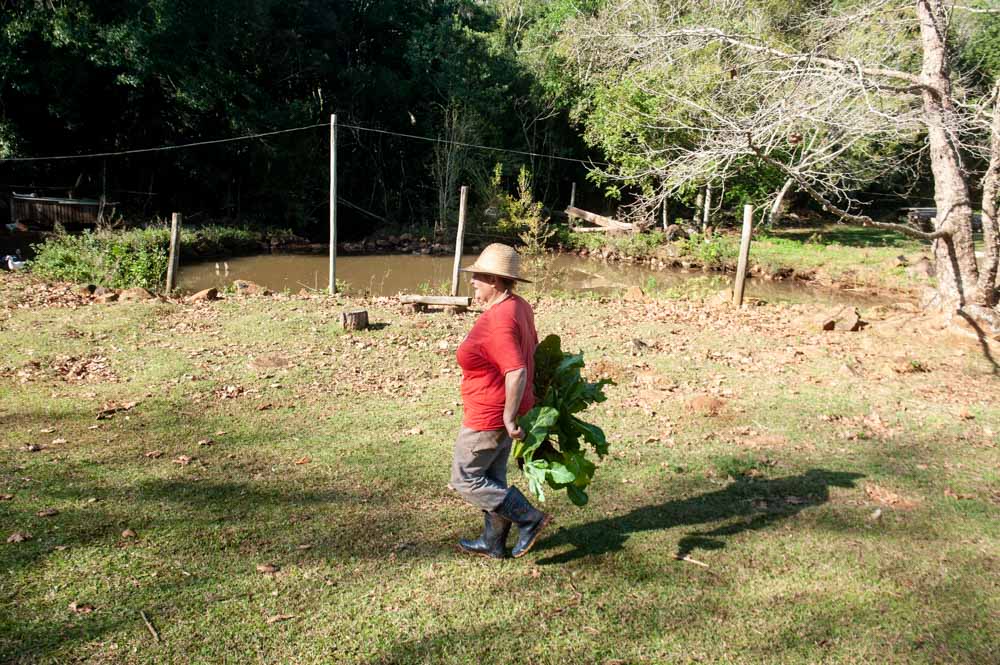
Silvia Munari is an accredited nurse, but three years ago she decided to dedicate herself exclusively to family farming, making a living from cultivating corn, rice, wheat, and eggs, as well as community-based rural tourism.
“The initial goal of having a farm in a place like this was to set an example, to make the difference. It was to impact the community in a healthy way that preserves the environment”
Silvia Munari
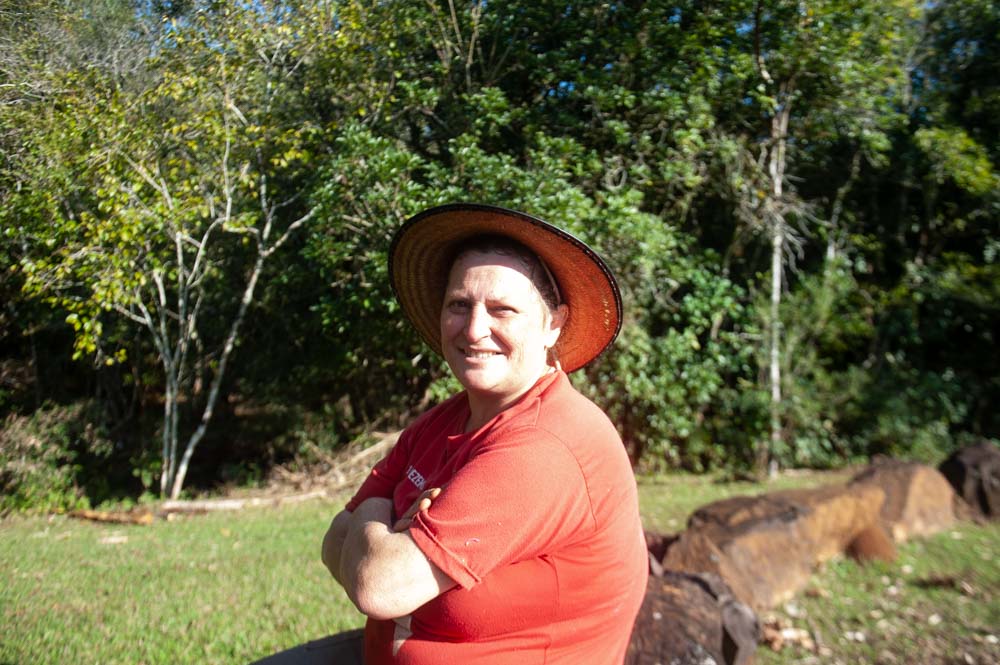
The management of an APA often faces challenges that range from lack of financial resources to the resistance of local communities to the restrictions. “Many residents see the APA as ‘cannot’: cannot cut, cannot use pesticides, cannot build, cannot burn. For a large part of the people, living in the APA is just ‘cannot’,” says the farmer.
Historian Isabel dos Santos states that during the implementation process of the APA, there were no discussions with the residents, making it difficult to understand the meaning of the classification. “If what could and could not be done had been discussed as a form of awareness, we would not have this problem”.
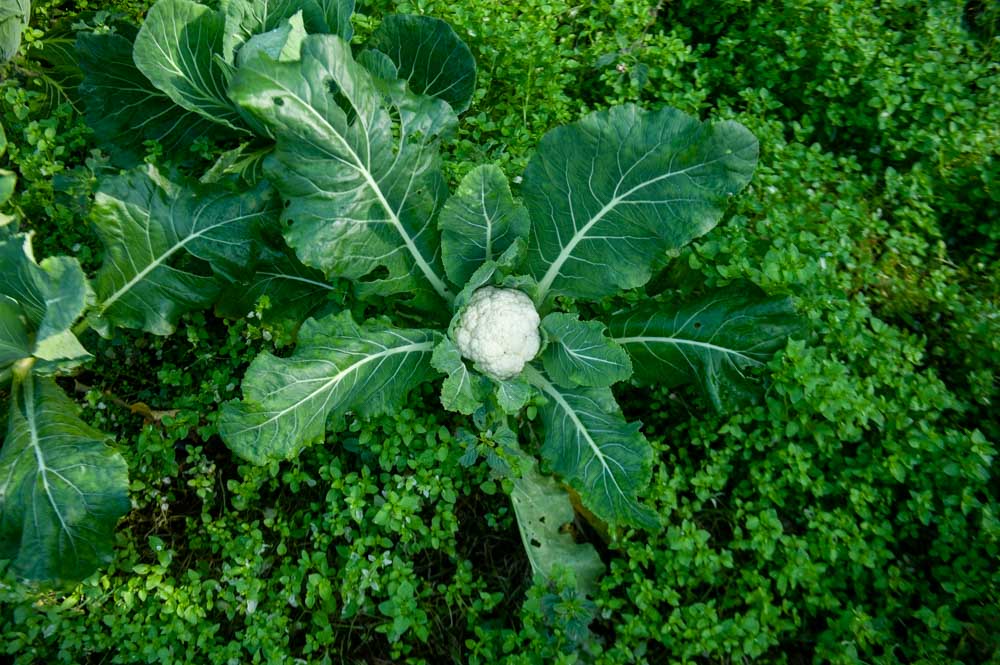
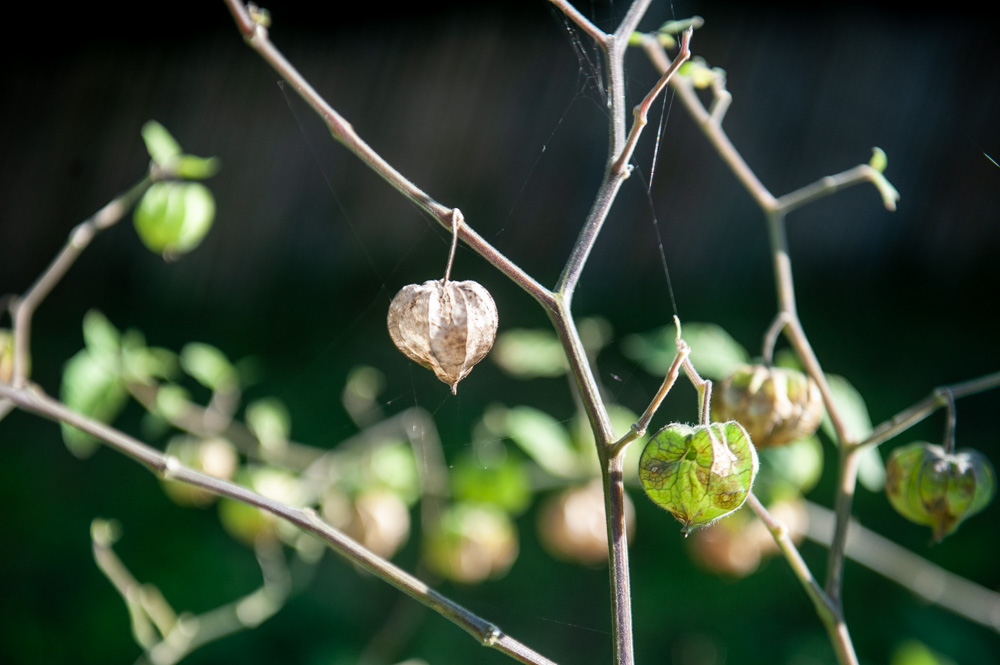
Silvia seeks to change this mindset through example. She continues with her plantation and harvests, while introducing sustainable practices in cultivation, such as the use of green cover, crop rotation without the use of pesticides, the creation of cisterns for rainwater collection, harnessing the natural slopes of the region, and the concept of circular economy.
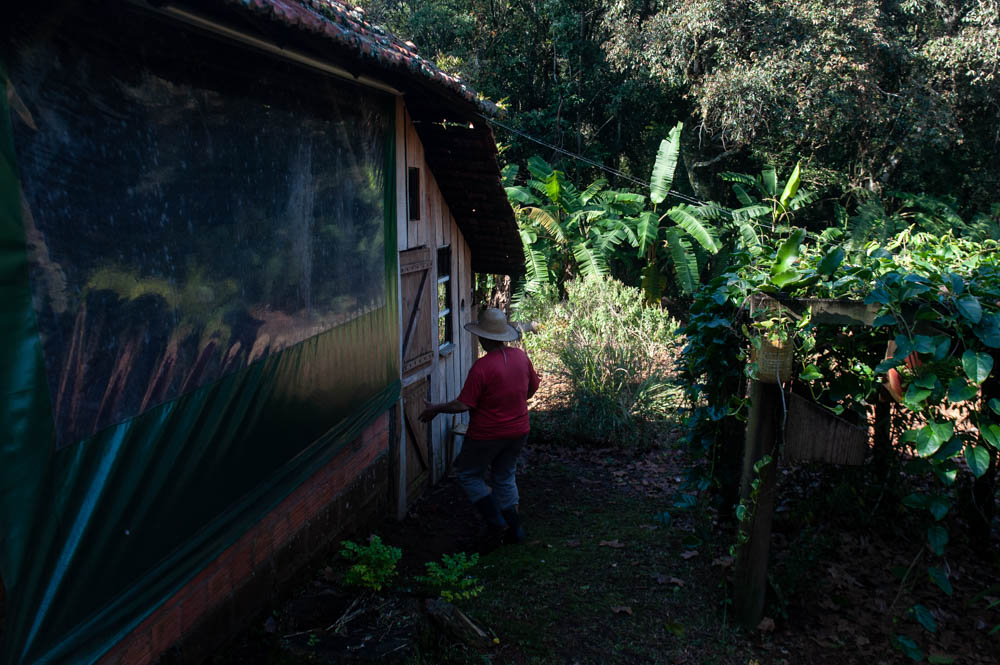
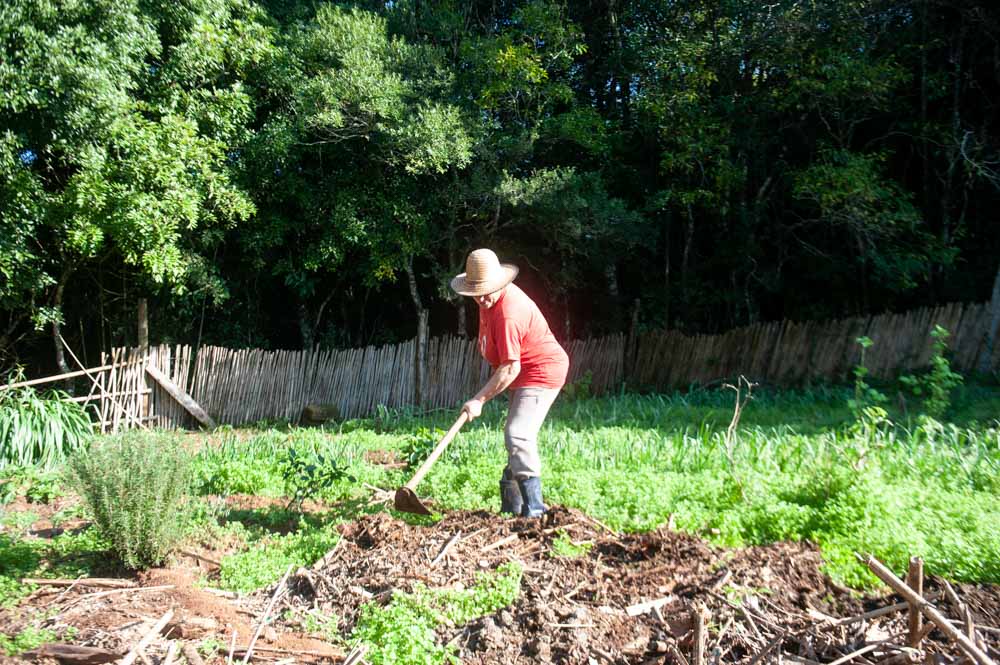
Local farmer and artisan Fábio Silveira is a native from Borússia and has closely observed the changes over the years. According to him, there has been an increase in the number of inhabitants. “A lot of people from other regions came here looking for something different”, he says. The numbers reflect the population growth rate. According to the 2022 Conservation Management Plan, there has been an estimated 14,4% increase in the region’s population since 2008, totalling approximately 1.021 residents. The predominantly rural area underwent urban-like expansion with the arrival of slaughterhouses, inns, and restaurants.
Due to the delay in implementing the first Conservation Management Plan, its update, and subsequent enforcement, a series of difficulties became evident, such as unlawful land occupation in permanent preservation areas, real estate speculation, the presence of activities inconsistent with current guidelines, and intensive and extractive agriculture. Environmental degradation and the uncontrolled drilling of artesian wells led to water scarcity in Borússia, as the water tables became depleted. Part of the population relies on community wells and receives water through tanker trucks.
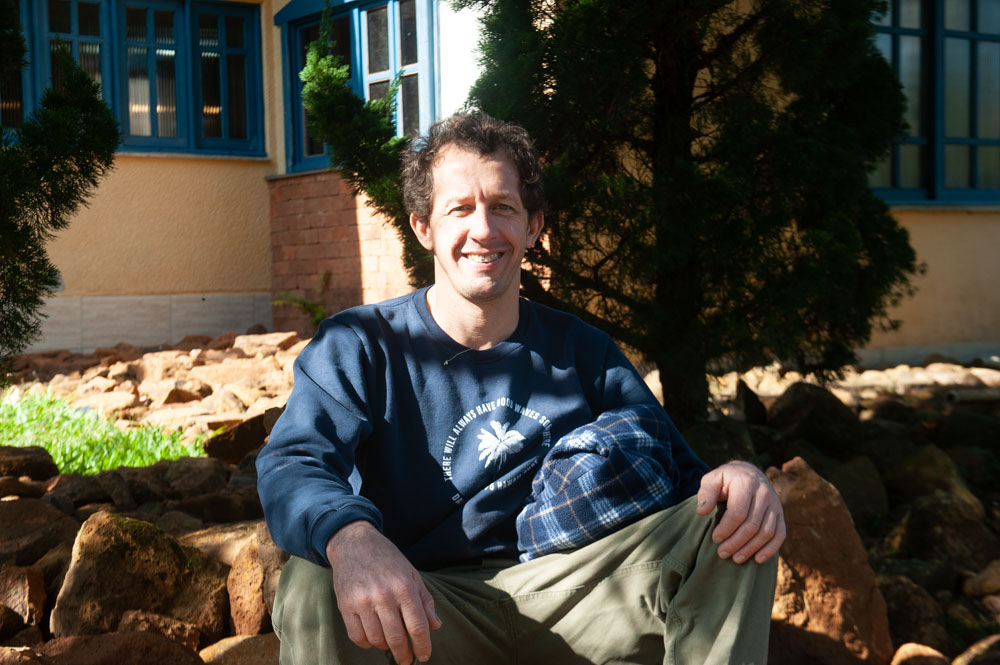
Another demand from residents is for land regularization. At the APA, many plots have been passed from parents to children without proper titling. The sale of irregular lots through a simple purchase and sale contract, without public deeds, is also a reality. In addition to these issues, the Municipal Council of the Environment, Agriculture, and Livestock states that it will work to to offer incentives for settling farmers in rural areas, since many do not see advantages in activities within the conservation unit. “When we talk about valuing rural territory, it means having validity for the owner, having use, being able to generate income,” suggests biologist Rodrigo Roduit, from the Municipal Administration of Osório.
The public entity recognizes these issues as the main demands to be addressed under the new legislation of 2022 and states that actions are still to be discussed with the new management council.
Ricardo Dagnino argues that sustainable regional development should be directly linked to the participation of residents in decision-making, advocating for a more participatory and democratic model.
“Development has to seek dialogue. It is important for us to understand that the world is dynamic, life is dynamic, politics is dynamic”
Ricardo Dagnino
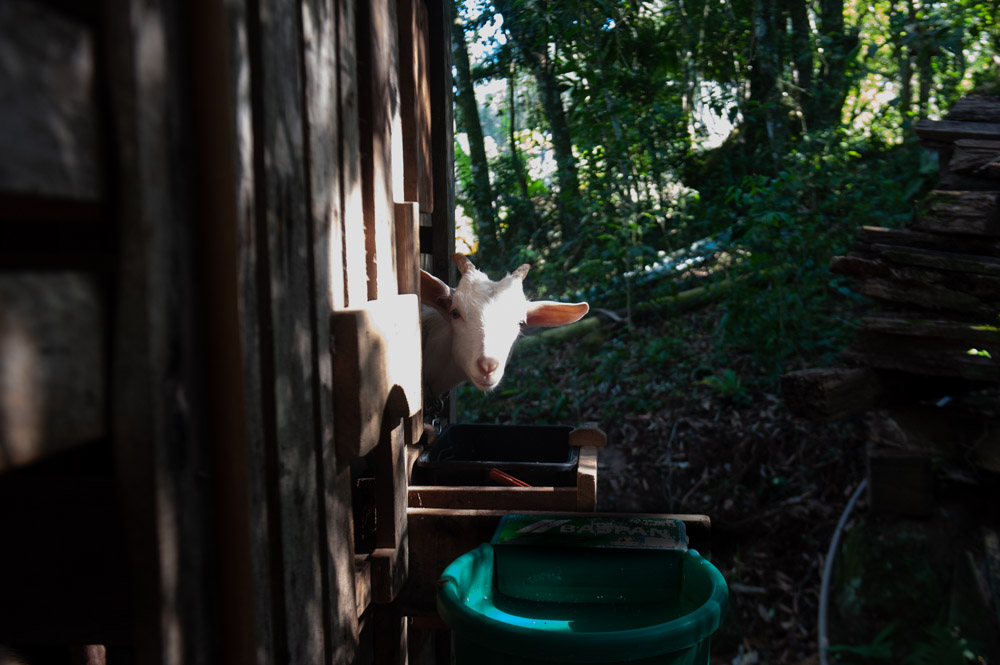
A hill to be seen head-on
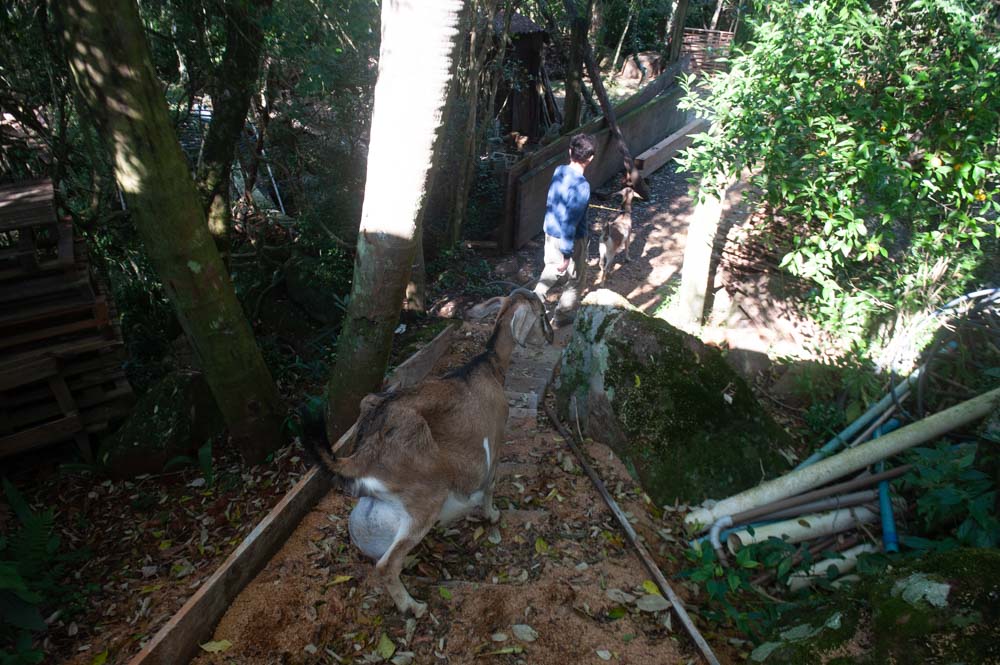
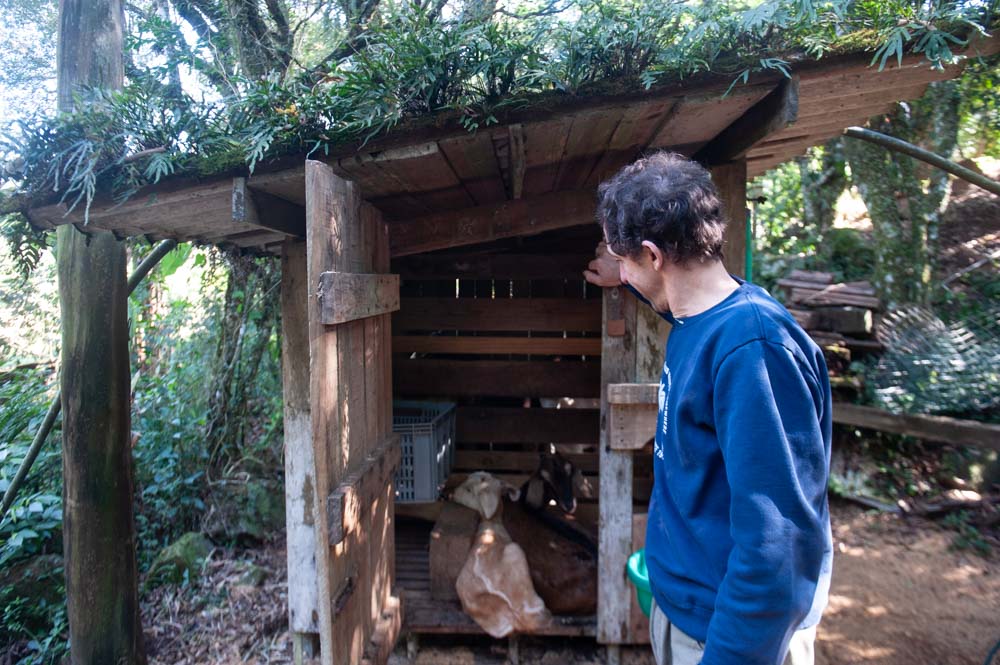
Another person that came from outside to the hill was the former commercial representative Francisco dos Reis. After a visit, he was marveled by the natural riches of the locality and, in 2009, decided to leave Porto Alegre to live in Borússia. Today, he makes a living from ecotourism and works as an environmental activist in the region.
“People come here with the intention of looking at the city from above and end up turning their backs on the hill. Few know the true value of living here”
Francisco dos Reis
An aspect that sets Morro de Osório apart from other APAs is its landscapes. ‘This is an APA that has biodiversity not only in terms of fauna and flora but also due to its location. It is on top of a hill, formed by hills, valleys in its interior, and by this aerial view that allows tourists to visualize vast distances,” says Professor Jonas Seminotti. At its summit is the Morro da Borússia’s lookout, one of the main tourist attractions of the city, providing a 360-degree view of the coastal landscape. At an altitude of 1.300 feet, visitors can see lagoons, the Osório wind farm, and the Tramandaí sea.
Looking at Borússia head-on, Francisco advocates for the creation of agroforests and ecoparks, and the promotion of ecotourism, considering the richness of ecological trails, waterfalls, and landscaping. The city could take advantage of instruments such as Green ICMS (Value-added Taxes) and Carbon Credits, he suggests. For him, environmental education actions are essential for the appreciation of the hill and for the development of socio-environmental awareness, including restoring the self-esteem of local residents. ‘Borússia is a volcano of energy and today it is a volcano of opportunities. Many places are losing their identity because they want to bring urban extensions here,’ says the resident.
“Osório could be a reference city in environmental matters because it already has the wind farm, which is considered clean energy. Osório has an APA – few municipalities in Rio Grande do Sul have a municipal Environmental Protection Area. Osório has its lagoons and could invest in alternative transportation.”
Ricardo Dagnino
By preserving APAs, we are ensuring the continuity of healthy ecosystems, as well as guaranteeing the maintenance of the quality of life for local communities and the protection of natural resources. “The APA is like a unique natural heritage that must be preserved,” concludes biologist Eduardo Ruppenthal.
Translated into English by Enzo Sezar de Assis, undergraduate student enrolled in the course “Supervised Translation Training II (English)” of the Undergraduate Program in Language and Literature, under the supervision and translation revision of Professor Elizamari R. Becker (P.h.D.) – IL/UFRGS.
:: Read in portuguese:
Morro de Osório abriga uma das últimas áreas remanescentes de Mata Atlântica do Litoral Norte gaúcho