
Social | In addition to identifying that three-dimensional digitization is an effective resource for heritage conservation, a study developed an instruction manual for the use and maintenance of these pieces
*By Carolina Paz Comerlatto
*First published March 7, 2024
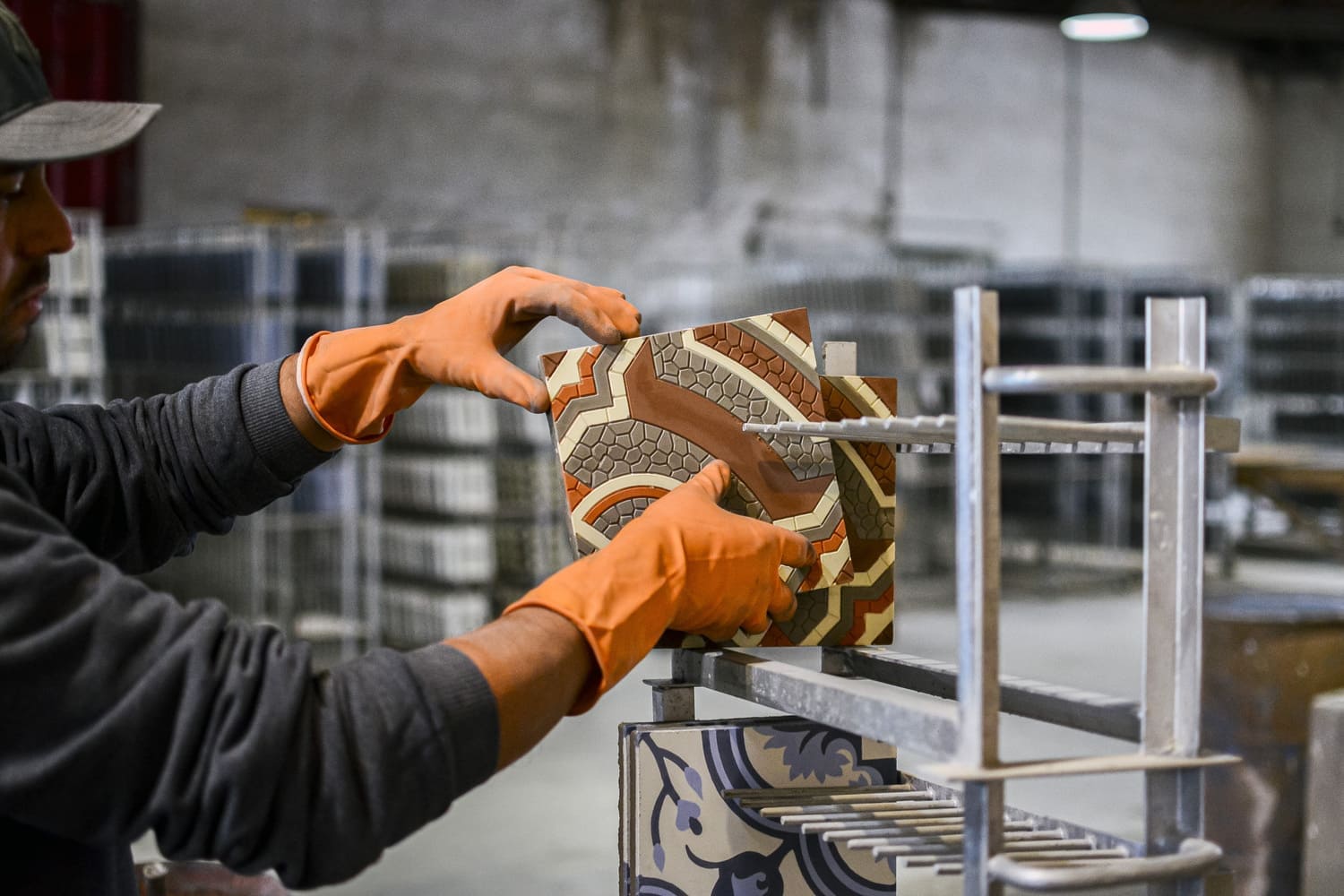
*Photo: the manufacturing process of the tiles took place at the Fábrica de Mosaicos
(Mosaics Factory), in Pelotas (photo: Thiago Thamay/Disclosure)
It was soon after moving to Porto Alegre that Thiago Thamay defined his research topic. Recently arrived from Paraíba to start his doctorate at UFRGS, the building of the Paço dos Açorianos – the old city hall – caught his attention on a first walk in the city center. In the entrance hall of the building, there were hydraulic tiles – the well-known mosaics – in critical condition. In addition, Thiago noticed something unusual: the floor was typical of a sidewalk, even though it was allocated in an internal area. “Then, I thought, ‘here is my object of study’,” he explained.
Since his undergraduate training developing research on heritage, specifically with hydraulic tiles, for his doctoral training, Thiago innovated by applying 3D technologies in the preservation of these materials. Supervised by Fábio Pinto da Silva, coordinator of the Design and Material Selection Laboratory (LDSM), the researcher wrote his doctoral dissertation in order to contribute to the conservation of pavements of patrimonial real estate, promoting the production of knowledge about centuries-old manufacturing techniques.
The exploratory research used tools such as three-dimensional digitization, photographic record and documentary sources to obtain a broad and detailed knowledge of the study object. Based on methodologies adapted to this context, the work went through four stages: Anamnesis, damage analysis, intervention conduct and materials, and manufacturing processes. “In this area, many medical terms are used when doing research on the damage and ‘pathologies’ of a building,” he explains.
A bit of history
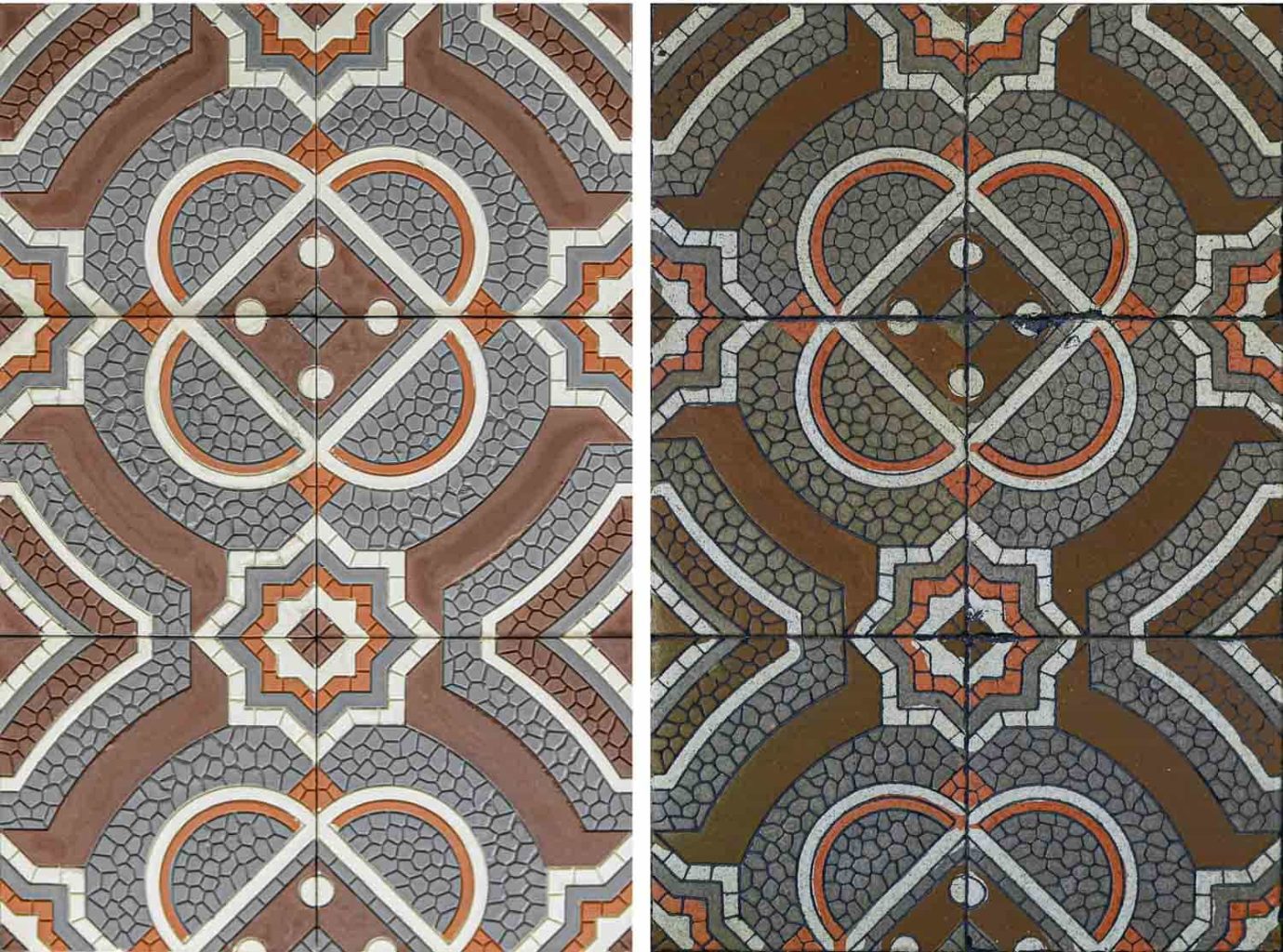
The Municipal Palace, completed in 1901, was designated heritage property by the municipality in the 70s. In the early 2000s, the building underwent a significant restoration process. During the project, the responsible team sought to preserve as much as possible the original floors that were in good condition. In the internal spaces where it was not possible to maintain the decorated smooth hydraulic tiles, it was decided to replace them with replicas produced by the Fábrica de Mosaicos from Pelotas (Mosaic Factory), allowing to recreate the old design and preserve the historical essence of the place.
However, the shapes complexity of the hydraulic tiles with reliefs at the entrance hall on the ground floor has posed a big challenge. In the attempt to produce matrices for the conservation of the pieces, traditional mold manufacturing techniques proved to be unfeasible due to the detail of the drawings. It is in this sense that the researcher defends the search for creative and technological alternatives to ensure the proper conservation of such pieces, recognizing the intricacy of their details and their historical importance. “Because it is an integrated asset, it is also heritage property,” he says.
Putting it into practice
With the help of two scanners, Thiago obtained a panorama of the room’s floor wear. From this, the damage was mapped and classified into 13 categories, such as yellowing, fouling, fading, dirt, and loss of constituent elements. As Thiago explained, “most of the damage has happened due to lack of care and absence of important conservation measures, such as waterproofing and maintenance”.
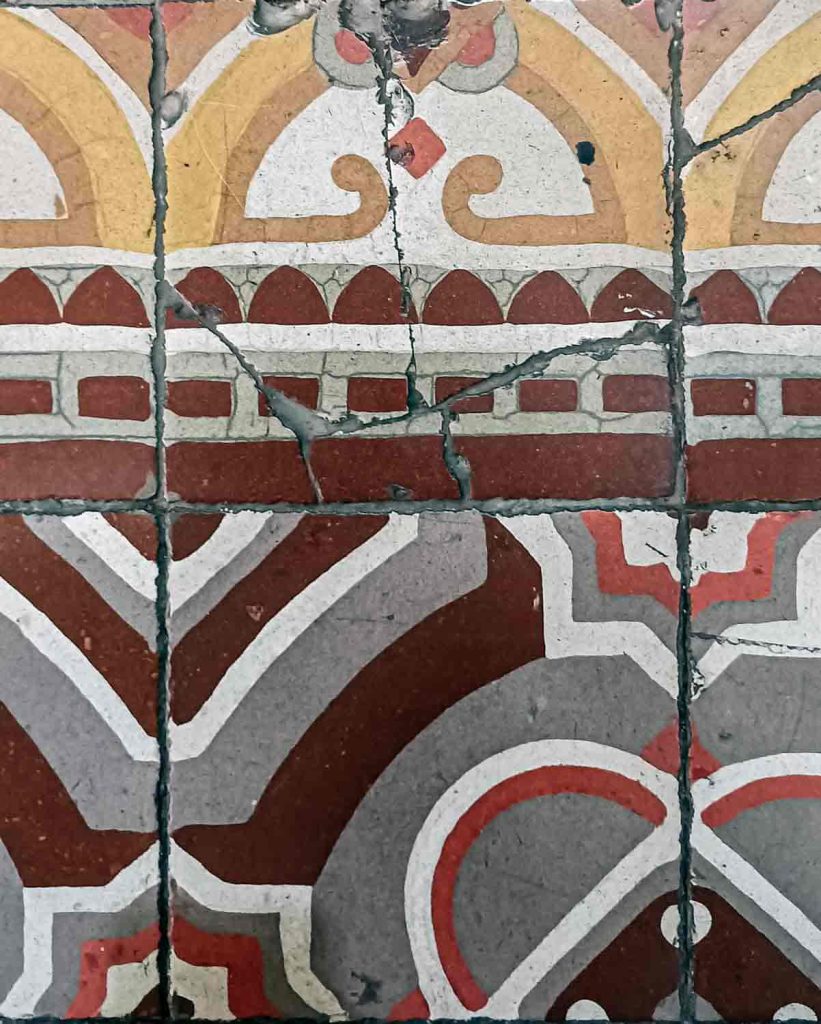
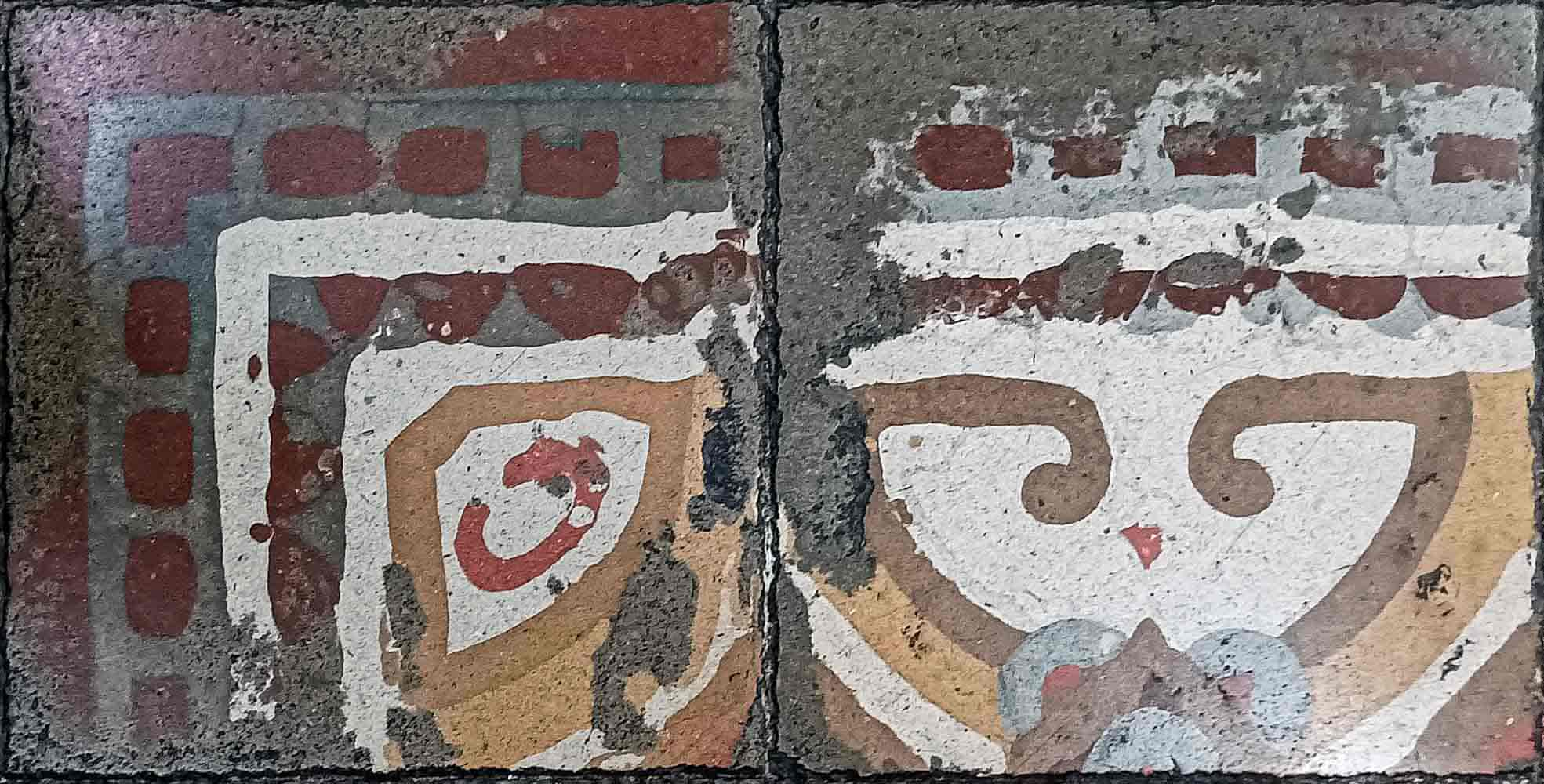
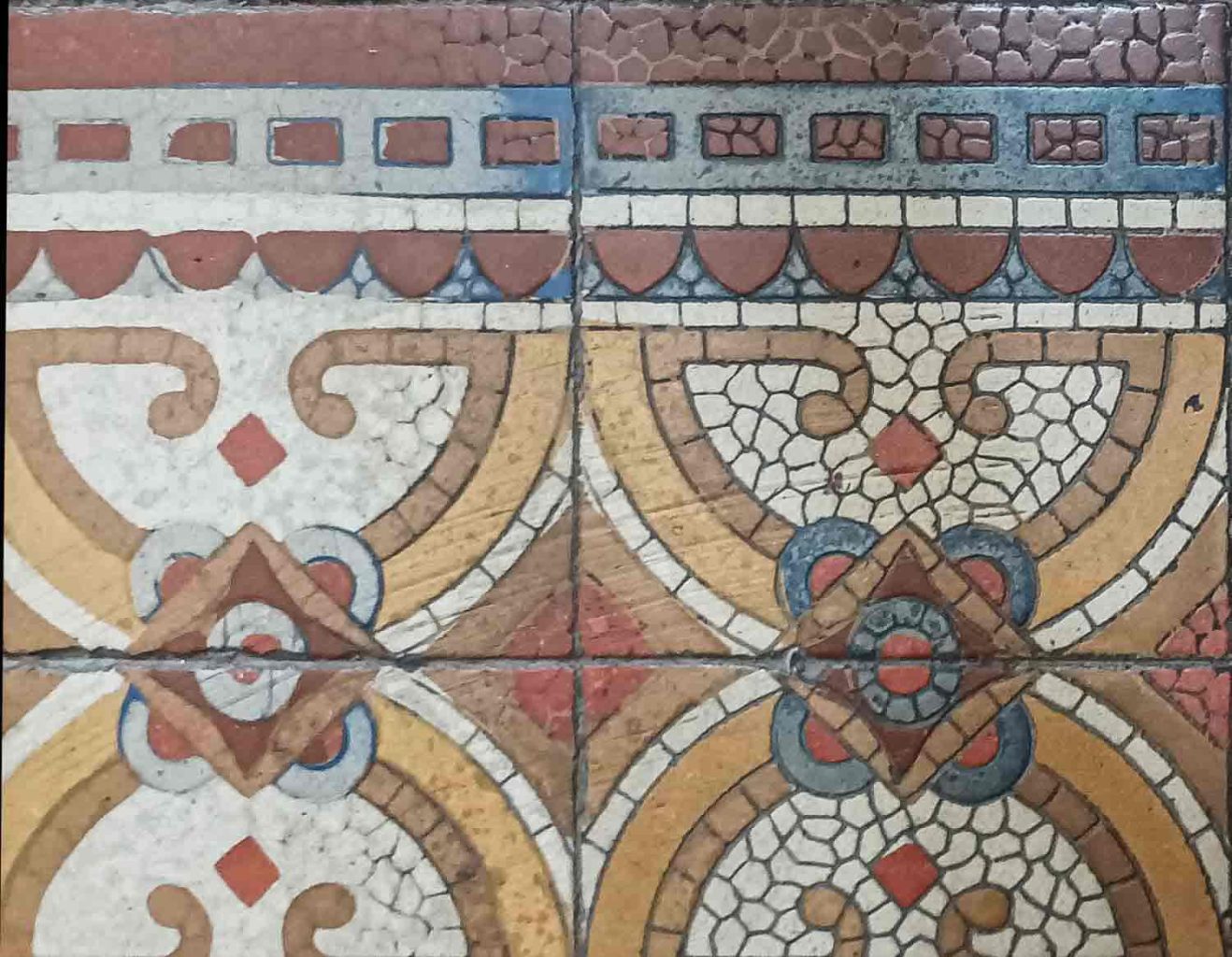
Through technical expertise and technology used in the provision of restoration services, the research project has found solutions for sanitation and damage. A crucial step in this process was the partnership with Fábrica de Mosaicos (Mosaics Factory) of Pelotas, whose production process observation shed light on how three-dimensional digitization and CNC machining technologies could assist in the manufacture of inputs. The building where the factory is located is also an industrial heritage property of the state of Rio Grande do Sul.
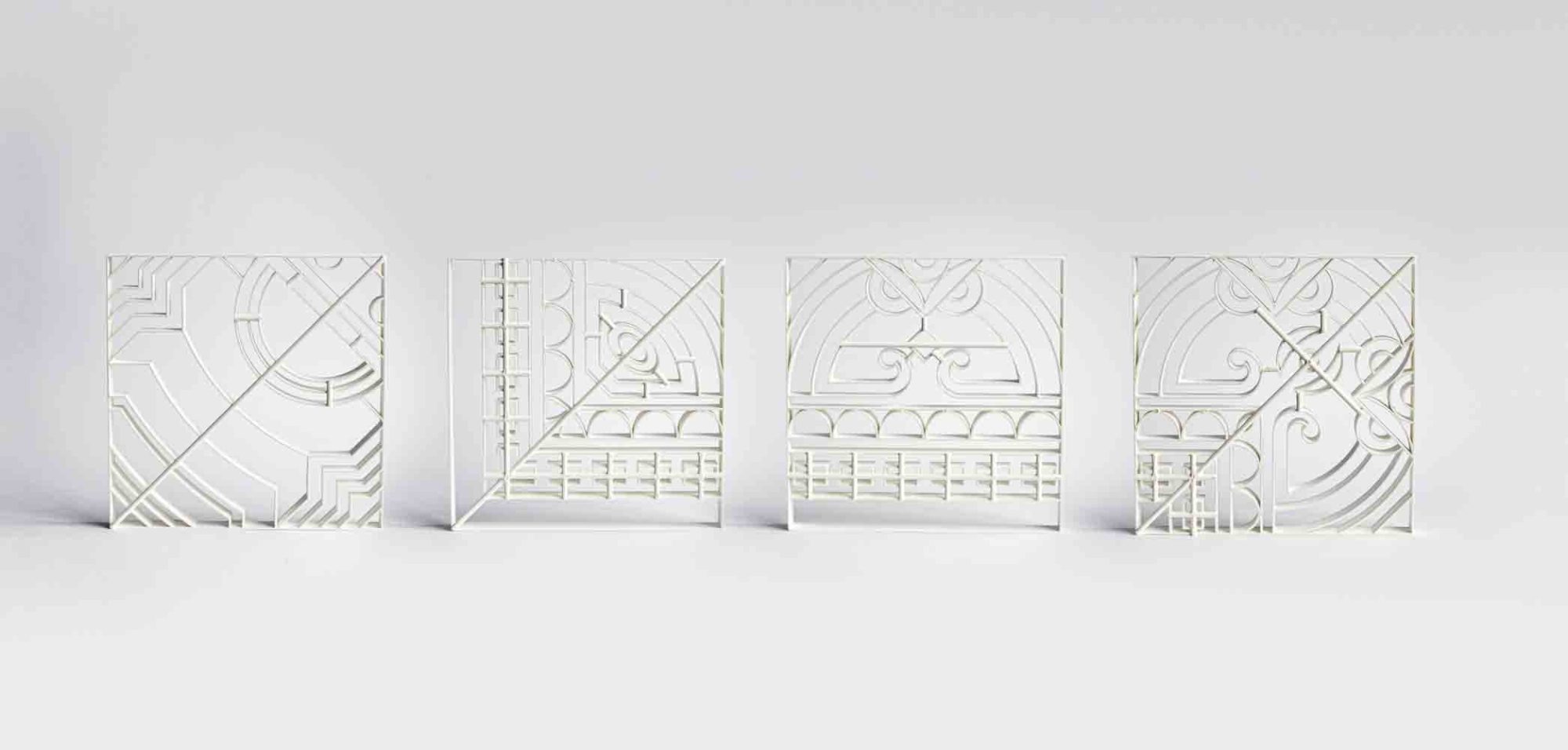
At this stage, the research engaged in the use of 3D scanning, printing, and machining technologies to integrate the design and technology in the hydraulic tile production process, specifically in the development of knives that would serve for the pieces production in relief of the ground floor of the Paço dos Açorianos. “3D manufacturing and scanning technologies do facilitate things,” points out Thiago.
Using 3D technology to make molds and embossing dies for the manufacturing process has proved to be an important tool for the evaluation of geometric deviation and accuracy of the method used. On the original floor, a manufacturing defect was detected, “which is also a damage to the heritage property,” he explains.
Details
The hydraulic tile, originally of manufactured origin, is produced in steps that require a series of actions for each piece execution. The process begins with the choice of the embossing template, which determines the print pattern and the desired-colors selection. The plate also defines the engraving – it can be smooth-surfaced for indoor floor tiles or embossed for outdoor tiles. Even though it is an indoor area, the parts used in the hall of the building fit the second option.
As a result of the research, four steel matrices were manufactured to make the tiles with the Paço standards, elaborated by means of CNC (computerized number control) manufacturing with the aid of Computer Aided Design (CAD). For this, a previous prototyping was carried out, aiming at the due adjustments in the design, which remedied the damage of the manufacturing defect. According to him, 3D technologies have allowed manufacturing to be more precise and efficient and to explore the integration between design and technology.
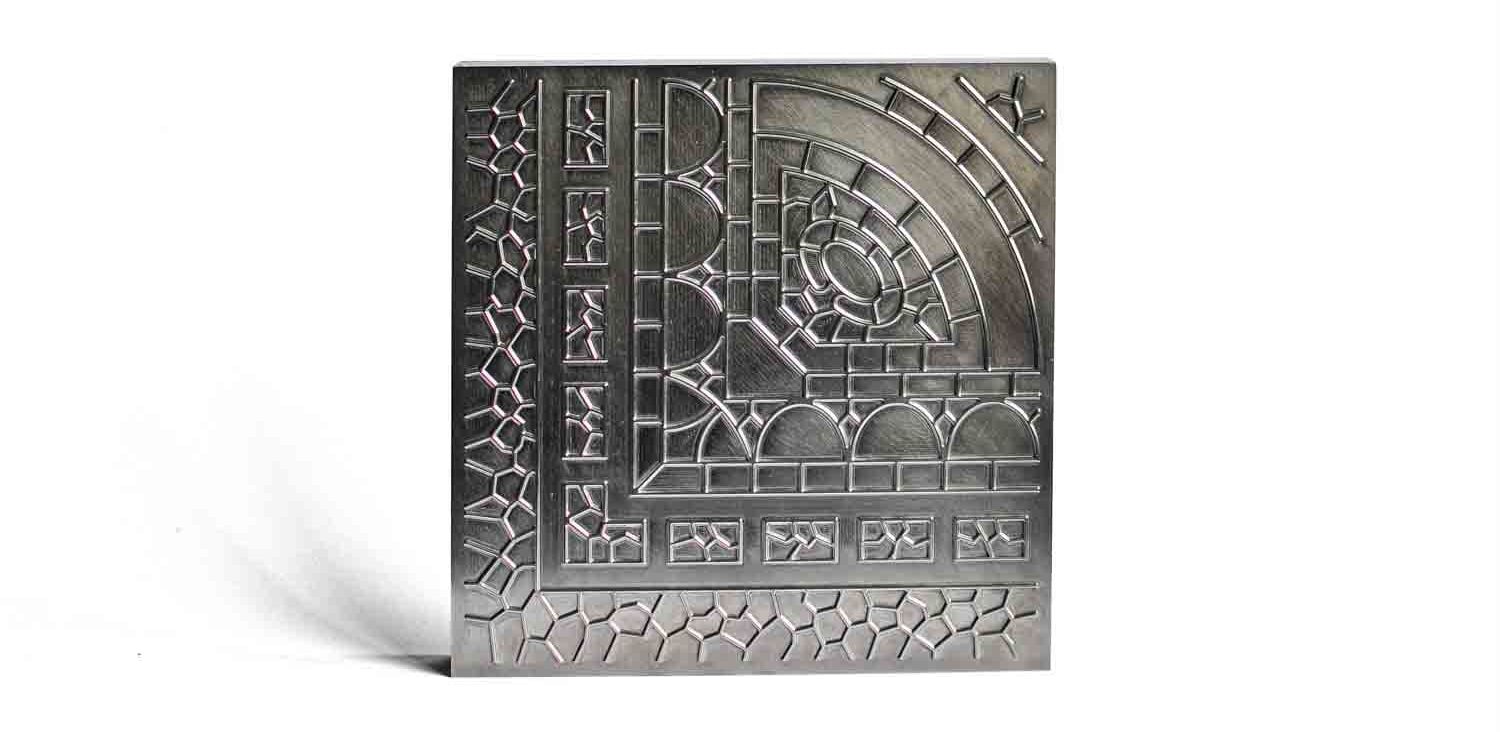
According to the researcher, it is part of the plan that, in the future, when restoration work happens to be carried out in the building, the Fábrica de Mosaicos from Pelotas manufacture the tiles. “The restoration process is complex; it requires a lot of study. And it’s already done, the research is ready to be implemented,” he concludes.
Conclusions and legacy
To make the research even more complete, Thiago prepared a manual for the use, operation, and maintenance of hydraulic tiles, aiming to establish guidelines to standardize the laying and maintenance procedures of those coatings on construction sites. The manual offers recommendations that apply to all types of tiles, making it a source of guidance for designers, architects, engineers, restorers, contractors, and end consumers. The information compiled in the document covers essential methods to extend piece service life, including waterproofing processes and the necessary products.
The rationale for the manual was based on data collected in tile factories in Brazil, companies specialized in processing cement coatings, in addition to compliance with regulatory standards applicable to each material requirement. According to him, the recommendations put forward will help “prevent damages not yet occurred or delay the unavoidable ones”.
The conclusion of the PhD dissertation reaffirms the cultural and heritage importance of hydraulic tiles. In addition, it demonstrates how science, in partnership with industry, can contribute to the conservation and integration of such collections into the cultural heritage – a contribution to go beyond the case studied, at the Paço dos Açorianos, to reach other historical heritage properties in the whole country.
Translated into English by Julia Ribeiro Noronha Gomes, undergraduate student enrolled in the course “Supervised Translation Training I (English)” of the Undergraduate Program in Language and Literature, under the supervision and translation revision of Professor Elizamari R. Becker (P.h.D.) – IL/UFRGS.