
Pharmacy | PhD dissertation mapped the genome of two new molecules that may be effective against the adaptation of bacteria to antibiotics
*By Alexandre Briozo Gomes Filho
*First published August 24th, 2023
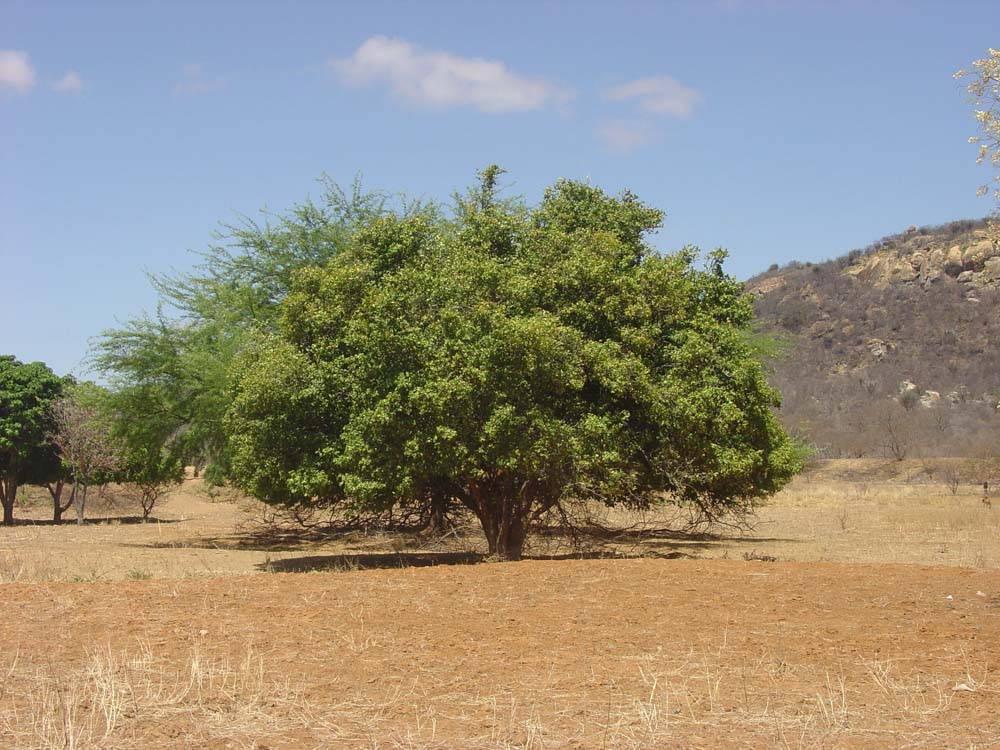
*Photo: Tamires Silva/EMBRAPA
Living for thousands of years, antimicrobial resistance is a way for bacteria to adapt to the environment to ensure their survival. It currently represents a major public health concern all around the world: a report published by the World Health Organization (WHO) in 2022 revealed an increase in resistance to antibiotics among bacteria that cause common infections, with emphasis on the high levels of resistance in bacteria that cause widespread infection.
The consequences of this to society are the increase of mortality rates, hospitalization internment time and health system expenditures. If no effective solution is found to this problem, by 2050 around 10 million people will have died each year from this condition. As a form of prevention, health professionals indicate a reduction in the population’s consumption of antibiotics, as this resistance is linked to excessive consumption of such medications.
In search for ways to fight bacterial resistance, a dissertation from the Graduate Program in Pharmaceutical Sciences at the Federal University of Rio Grande do Sul analyzed fungi from caatinga plants, aiming to develop molecules that are active against the bacterial biofilms (structures that serve as protection to a microbial community) which prevent the action of antibiotics. In addition to the contribution to the medicinal sector, the research emphasizes the richness and importance of Brazil’s exclusive biome for the studies of new molecules. The work was supervised by Professor Alexandre Macedo, faculty member and researcher from the Faculty of Pharmaceutical Sciences.
The blessings of caatinga
Located in the Northeast region of Brazil, the caatinga is an extremely dry biome: it has little rainfall throughout the year and high solar radiation. “This set of characteristics encourages the emergence of new molecules and new microorganisms, such as fungi and bacteria,” says Dayse Pereira Dias Silva, author of the dissertation. According to her, these microorganisms are different from those in other regions due to the characteristics of the biome, as they need to adapt to the dry climate. “These microorganisms produce molecules for self-maintenance, and it is in those molecules that the difference lies,” she adds.
At the Biofilms and Microbial Diversity Laboratory (LaBDiM), located on Campus do Vale (UFRGS), the research followed a methodology as detailed as the study of the complex properties of such microorganisms require. The plants used in the study were collected at the National Semi-Arid Institute (INSA), in Campina Grande, Paraíba.
Once the bark, leaves and pieces of the plants selected for analysis were separated, the pharmacist began the disinfestation process with 70% alcohol and sodium hypochlorite to remove microorganisms that could be on the surface of the plants. The disinfestation process was followed by the growth process of these microorganisms, which consisted of growing small pieces of the leaves in Petri dishes containing culture medium (inputs that provide nutrients for the growth and development of microorganisms). In a sterile environment at a controlled temperature, the leaves and bark sown in the Petri dishes remained until the fungal and bacterial structures emerged. After this period, isolation began. “If I put a little piece of leaf and bark on a plate, thousands of things will grow. From there, I will collect every little piece, every little dot that grows there, whether fungus or bacteria, and sow it on a new plate in order to isolate this microorganism,” explains the author. During fermentation, the microorganisms were cultivated in liquid medium without agitation, where they grew for thirty days to produce the molecules of interest.
69 endophytic fungi were collected, that is, those that are located inside the plant tissue, without causing damage. Endophytic microorganisms produce molecules favorable to plants that, in return, serve them as “shelter”. Of these, 10 were used in the research, due to time constraints.
At the end of the process, two microorganisms were generated and identified. They also had their genome sequenced, that is, all the DNA of these microorganisms was mapped. “This is important because we can perform genomic annotation, bringing everything that this microorganism will produce in terms of protein and metabolites. It is as if you could give a face to that microorganism, identify it,” says Dayse. The sequenced genome also contributes to the characterization of the microorganisms present in the biome from which the samples were taken, contributing to the biology of the region.
“Our contribution consists of bringing new molecules, new research perspectives, showing that this biome can make contributions to the global scenario of microbial resistance, and that investing more in this biome can give us new alternatives to the problems we have today. We also emphasize the importance of conservation, research into natural products, basic clinical research, which is extremely important and has a lot to offer us.”
Dayse Pereira Dias Silva
Since Dayse’s doctorate went through the coronavirus pandemic, about a year of research was compromised. For reasons of time, she observed the effects on biofilms, applying the plant extract to them, not the isolated molecules. The researcher says that the biofilms fell apart, but it would still be necessary to use a technique called Scanning Electron Microscopy to observe what happens to the biofilm matrix when it comes into contact with these molecules. “This would help us understand the behavior and possible mechanisms of action by which that molecule would be acting to inhibit or anti-form the biofilm,” says the researcher.
Therefore, other analyses are pending, such as analyzing the toxicity of the molecules in different models of larvae, to find out whether the molecule would be capable of protecting an individual from a bacterial infection.

A promising path
Coming from Campina Grande, Dayse arrived in Porto Alegre to pursue her doctorate. The difficulties of starting out in unknown territory were alleviated by the companionship of her boyfriend, born and raised in Rio Grande do Sul, who introduced her to the city. As for the research group, Dayse is grateful. “I was very lucky, everyone has always helped each other a lot.” She says that the pressure for efficiency ends up making the doctorate a competitive environment, and that is why support is essential.
From the research, three scientific articles were derived: one review and two results. The review was published in the journal Antibiotics. The other two articles, which deal with the identification of endophytic fungi, the molecules generated and their characterization and biological activity, are still in the process of being published. The pharmacist emphasizes that, in terms of treatment, more trials are needed with other types of models to understand the action strategies for the next steps. “Would I have to use this molecule on a surface, in a medical device, preventing bacteria from attaching itself? Or would I have to invest in a medicine that will break down this biofilm barrier?,” she asks.
The path has been opened and the possibilities are countless. The pharmacist is now preparing to join a business post-doctorate at the startup Regenera Moléculas do Mar, a technology-based company that makes Brazilian biodiversity of marine origin available for innovations in the industry.
Translated into English by Ádrian Ferreira Oliveira, undergraduate student enrolled in the course “Supervised Translation Training II (English)” of the Undergraduate Program in Language and Literature, under the supervision and translation revision of Professor Elizamari R. Becker (P.h.D.) – IL/UFRGS.