
Health | Practices such as acupuncture and auriculotherapy have been offered by SUS since 2006 aiming at being allied to contemporary medical treatments
*By Carolina Zanette Dill
*First published Jan 19, 2023
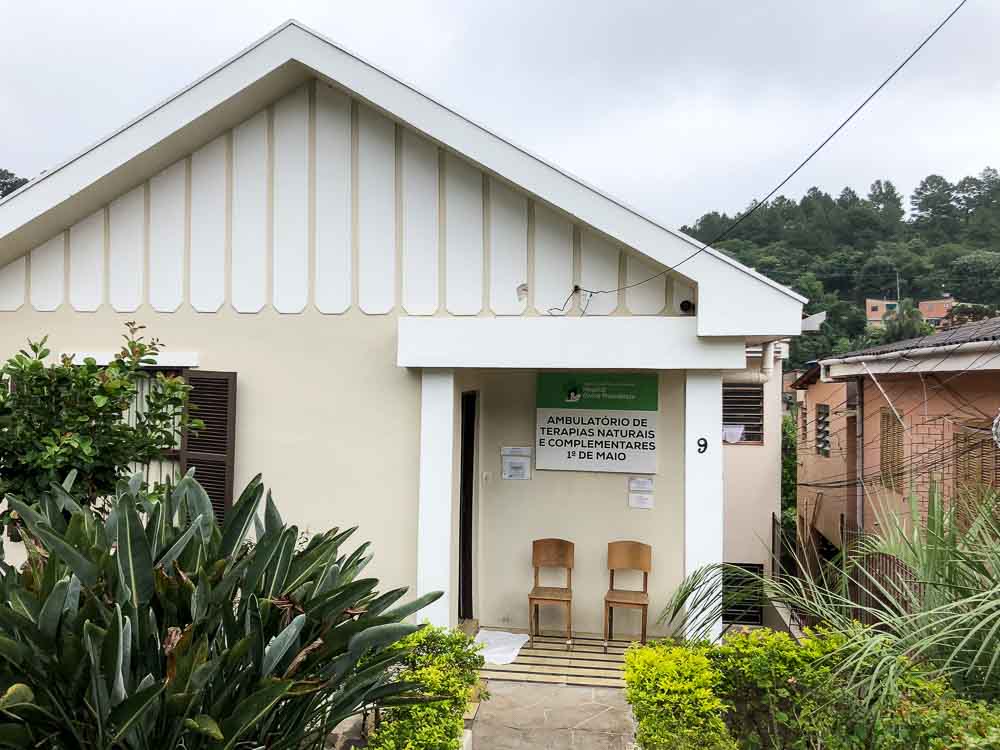
*Photo: Flávio Dutra/JU
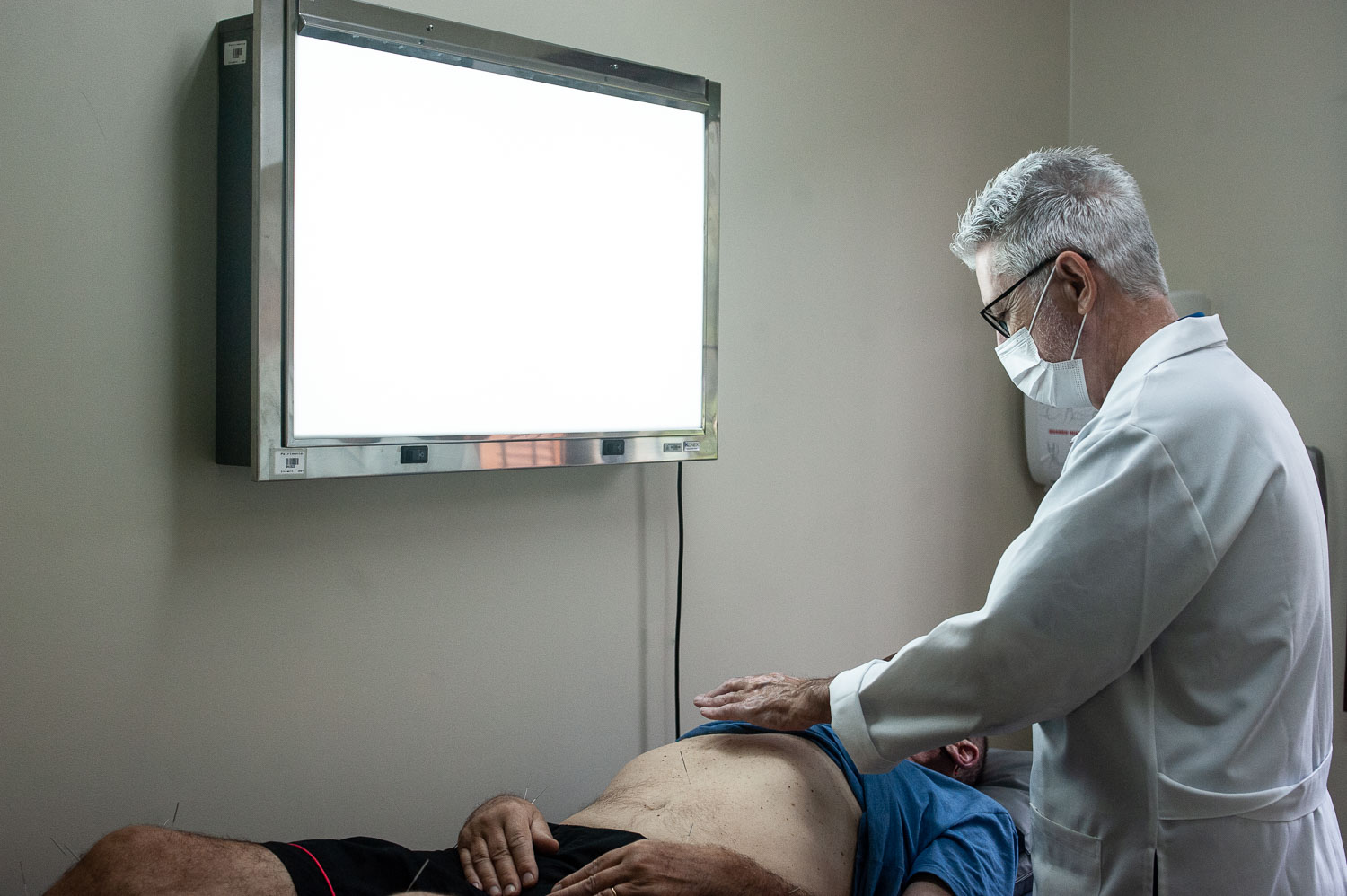
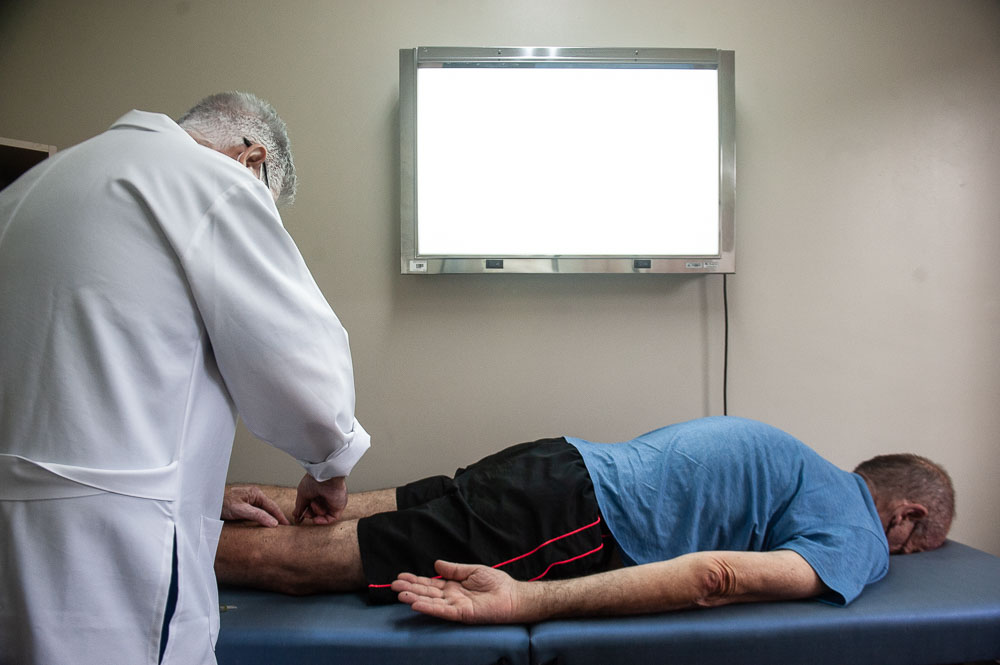
Eight years ago, Rosângela Mello, former sales representative, suffered a severe fall that resulted in a fracture of three vertebrae. As a result of the accident, she had to undergo surgery to get pins inserted. So, she took a leave of absence from her job and began her fight against pain. At the time, the orthopedist’s suggestion was that she should undergo acupuncture, a therapy in which needles are placed at specific points on the body, functioning as a complementary drug treatment and physiotherapy.
“I started having acupuncture as recommended by my doctor. After the surgery, I started to feel a lot of pain, and acupuncture brought me healing. I couldn’t put on my shoes. After the sessions, my condition used to improve,” says Rosângela.
The acupuncture technique, originated from traditional Chinese medicine, is part of the list of health care approaches known as Integrative and Complementary Treatments (ICTs).
ICTs are therapeutic resources based on traditional and popular knowledge that helps in disease prevention, health promotion and health recovery.
Based on the encouragement of the World Health Organization (WHO) to member countries, the Brazilian Sistema Unificado de Saúde (SUS) – Unified Health System, in English – has institutionalized techniques through the Política Nacional de Práticas Integrativas e Complementares (PNPIC) – National Policy on Integrative and Complementary Practices – since 2006. Currently, 29 of those integrative therapies are available in the Brazilian public health system: traditional Chinese medicine, anthroposophic medicine, homeopathy, medicinal plants and herbal medicine, thermalism, art therapy, ayurveda, biodance, circular dance, meditation, music therapy, naturopathy, osteopathy, chiropractic, reflexotherapy, reiki, shantala, community integrative therapy, yoga, apitherapy, aromatherapy, bioenergetic, family constellation, chromotherapy, geotherapy, hypnotherapy, therapeutic touch, ozone therapy and flower therapy.
For years, such practices had been considered “alternative medicine”. According to Daniela Dallegrave, professor at the UFRGS Nursing School, the term is wrong. “The idea is that they are not alternative, that the patient does not quit the biomedical care. All tests and prescribed medicines are to be maintained. ICTs are complementary, they add to the treatment. It is one treatment plus another one, and not one treatment or the other one,” he explains. According to Daniela, any disease can be treated together with ICTs. “Some will be more related to prevention, others to rehabilitation,” she adds.
Data from Department of Health in Rio Grande do Sul State indicate that, out of the 497 cities from Rio Grande do Sul, 394 registered ICTs appointments in 2022, in which the most frequently undertaken practices were auriculotherapy, acupuncture, phytotherapy, reiki and aromatherapy. The Primary Health Care in Porto Alegre makes 16 out of the 29 ICTs practices present in SUS available to its users. Out of the 132 basic health units in Porto Alegre, 76 offer at least one of ICT practice. Despite not having a specific municipal policy for ICTs, the city is aligned to the national policy of the Department of Health.
According to Márcia Jacobsen, responsible for the Technical Area of the Public Health Policies Division of ICTs for the Municipal Health Department of Porto Alegre, integrative medicine is transversal to other SUS policies. That is, they are complementary to other health programs such as the elderly care program, LGBTQIAPnational policy of integral health, the immigrant primary care, primary health care for indigenous peoples, among others. “ICTs are more natural practices that require little intervention and are cheaper,” she explains.
The on-demand appointments may be made in any basic health unit where ICTs are offered or by referral from doctors, nurses or community health agents who reach the conclusion that the patient can benefit from their therapeutic resources. Despite to its limited availability, the practices may also be present in hospitals and in specialized outpatient care.
Global Health Promotion
The most frequent referrals are chanelled into the treatment of pain, sleep disturbances and mental distress and disorders. In Rosângela’s case, apart from physical exhaustion, the accident has caused the development of depression, which made her seek, along with psychiatric care, a complementary assistance.
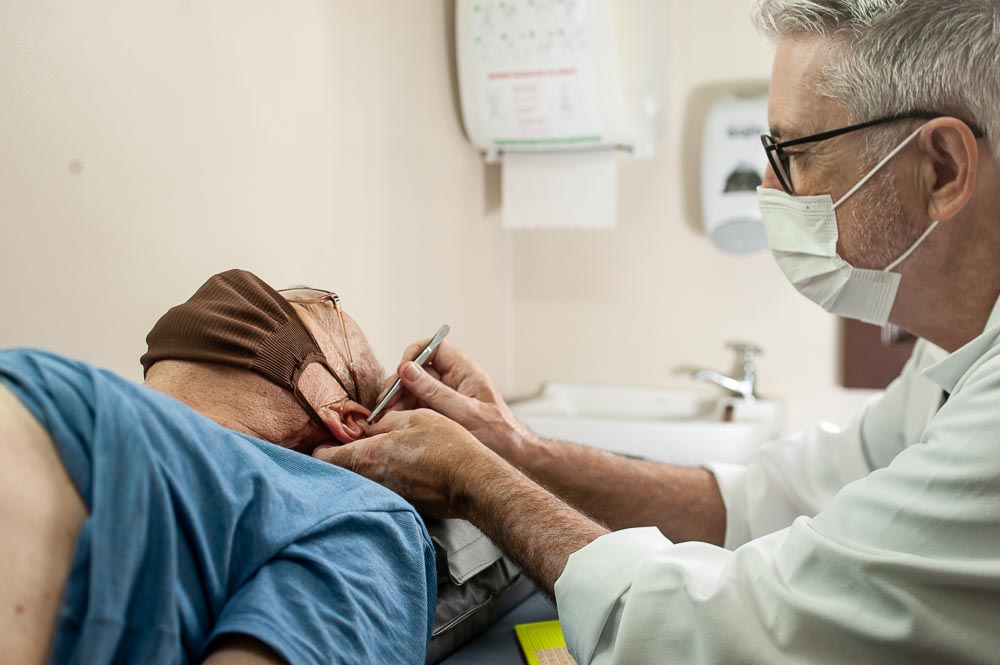
Meditation became part of her routine, as well as reiki, a technique that consists of placing the hands on or over a specific area of the body for energy transfer, and auriculotherapy, a method of traditional Chinese medicine that uses small seeds to stimulate strategic points of the external surface of the ear and treat body imbalances. Today, she has 8 seeds attached to her ear, strategically positioned to relieve low back pain and emotional symptoms.
“We begin to feel the results over time. It’s like any prescribed drug-intake schedule, you have to take it regularly to see its beneficial effects.”
Rosângela Mello
Relaxation, pain and mental suffering relief, increased self-esteem and self-knowledge are among the main benefits observed by the former sales representative. “It’s a way to connect with myself,” she says. The recommendations of the ICTs take into account the person as a whole, considering the patient in his/her physical, psychological, emotional, social and community aspects. Thus, their application aims at a global care.
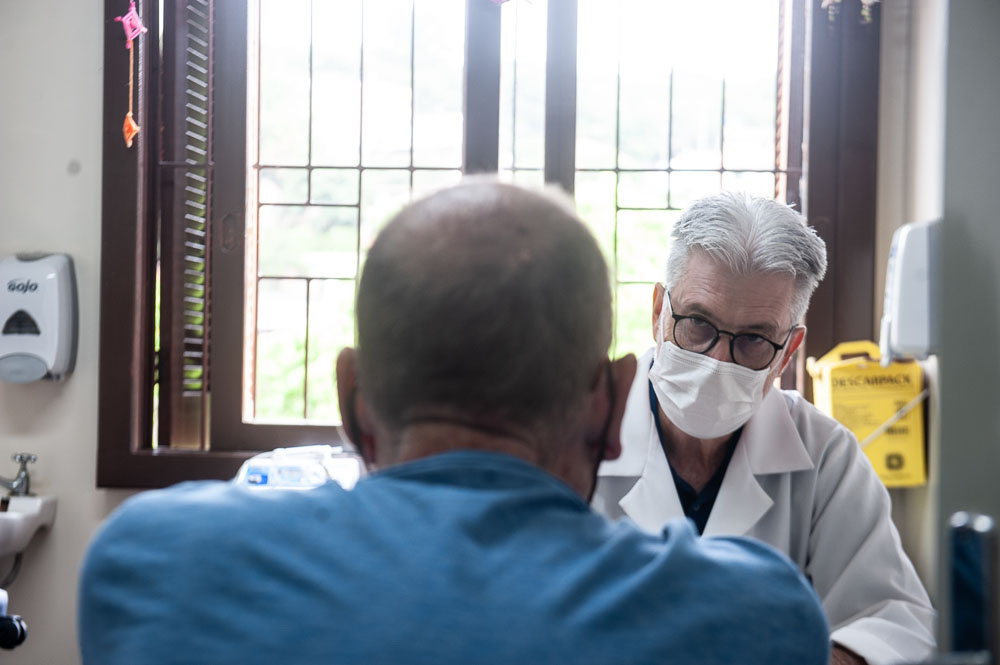
Nurse Aline Torres works with alternative medicine in primary health care in Porto Alegre and, in her appointments, she observes the expansion of patients’ autonomy based on the possibility of choosing to include complementary medicine in the treatment. “It is a process of individual expansion of consciousness about one’s health and disease processes, not exclusively focused on the pathology for which the person is seeking treatment, but focused on reaching balance of well-being,” points out the nurse.
Nurse Patrícia Zvirtes, who works in specialized care at a Centro de Atenção Psicossocial Infantil (CAPSI) – Child Psychosocial Care Center, in English –, perceives it the same way Aline does: patients often arrive with aggravated mental disorders. Among the methods that Zvirtes develops are yoga, acupuncture techniques and ayurveda, this late an ancient Indian medicine. “As patients have to change their routines, it builds a process of autonomy, an action in the face of treatment. This is an awakening from the ‘inertia’ resulting from their expectations to have health care staff taking all the measures. So, this order gets a little reversed, ” the nurse says.
Different ways of care
A transsexual teenager, Iory Barres is getting transgender hormone therapy to stimulate the body changes. In the face of the side effects like irritability and anxiety caused by the hormones, the student decided to have auriculotherapy sessions. “Transgender hormone therapy causes a lot of emotional imbalances, and auriculotherapy is helping me a lot to be in control of the feelings caused by testosterone,” he says. According to Iory, as an additional therapeutic effect, it has also been helping in the treatment of back pain caused by scoliosis.
The therapy is offered at the Trans Ambulatory, in Porto Alegre. According to Sophie Nouveau, trans activist and nurse of the team, ICTs are powerful aids for pain and relief. “We have to understand that some health care strategies are still in the process of being built and they haven’t been fully elucidated, especially if we think about the specificities of the trans population health. We have protocols and studies, but each body unique and each one will react in a different way. We think about ICTs as another strategy, along with pain medications, with which we can manage this type of treatment,” she says.
Anchored in promoting a welcoming listening, developing a therapeutic bond and producing knowledge in a shared way, ICTs offer complementary systems of care and of perception of the body. In this way, Daniela Dallegrave cites the concept of “medical rationalities”, created by the researcher Madel Luz, who promotes studies on complex medical systems that coexist with modern medicine. The perspective opens space to discuss the existence of more than one model, contrary to the idea that only contemporary medicine practices follow a scientific rationality.
“They are different ways of understanding the body, of understanding illness and of classifying it.”
Daniela Dallegrave
Thus, from the delimitations established by the concept, homeopathic, anthroposophical, traditional Chinese and Ayurvedic medicines, as well as the complementary medicines from which they derive, can (each and in combination) be also considered carriers of reason. “Combining traditional knowledge with what there is of evidence can help us think differently, can help us produce knowledge, can help us come up with other answers.” Based on this aspect, Professor Dallegrave reinforces the importance of consolidation of scientific evidence on the subject and the importance of the qualification of vocational education.
Nurse Aline Torres notes that the interaction of PICs with contemporary medical treatments leads to a model of care beyond what the patient was looking for in the health unit, but she understands that not everyone wants to embrace such practices. “Being able to offer a comprehensive service is the best part of it. Not everyone is at the right timing or has an interest in practicing it, but there have to be choices,” she explains.
Translated into English by Amélia Maia Mendes, undergraduate student enrolled in the course “Supervised Translation Training I (English)” of the Undergraduate Program in Language and Literature, under the supervision and translation revision of Professor Elizamari R. Becker (P.h.D.) – IL/UFRGS.
:: Read in portuguese
Práticas integrativas ampliam o conceito de saúde e oportunizam outros modelos de cuidado