
Health | A 27-year-old Medical student, who is also pursuing his PhD in Biochemistry, investigates the early symptoms related to the disease
*First published in September 5th of 2024
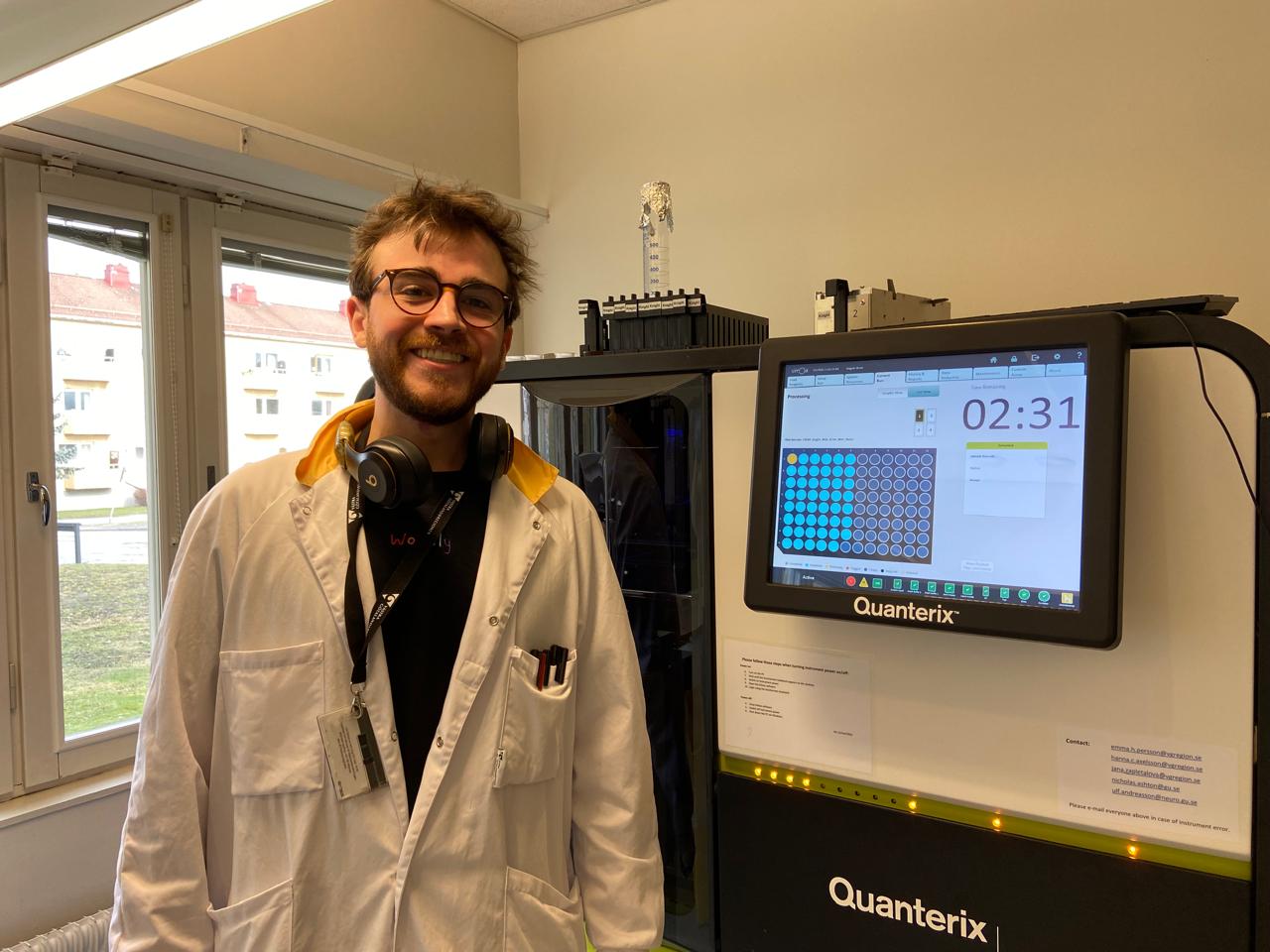
*Photo: Wagner in University of Gothenburg’s lab, in Sweden, where he participated in a PhD exchange program. (Wagner Brum/Personal records)
According to the Health Ministry, almost 1.2 million people have Alzheimer’s and 100 thousand cases are diagnosed per year in Brazil. Another study showed that there are at least 1.76 million elderly people living with some kind of dementia in the country. Moreover, it is estimated that this number will grow, reaching 2.78 million Brazilians with dementia by the end of this decade and 5.5 million by 2050.
Research on neurodegenerative diseases is becoming increasingly relevant as people are getting older. As a doctor and a PhD student of Biochemistry, Wagner Scheeren Brum conducted a study about the development and clinical validation of new blood tests for the detection of Alzheimer’s. His research was used as a reference for the latest global guidelines about the disease.
Generally, “dementia” is a term that encompasses several neurodegenerative diseases that affect the nervous system and cause progressive loss of brain functions. Alzheimer’s is one of the most common types of cognitive impairment, primarily affecting elderly people over the age of 65. It is an incurable condition, but treatment options are available. The most common symptoms include memory loss, difficulty with speech and reasoning, disorientation in time and space, and changes in mood and behavior.
Research Background
Many develop an interest in research during university, but Wagner’s passion began earlier, while he was still a High School student at the Technical School Liberato Salzano Vieira da Cunha. This institution promotes science projects and pre-university research.
Wagner’s decision to study at UFRGS was driven by his strong interest in academic research. He is currently an undergraduate student in the Medical School and is simultaneously pursuing a PhD in Biochemistry. He conducts research in the Neuroimaging Laboratory at UFRGS, under the supervision of Professors Eduardo Zimmer and Diogo Souza from the Department of Pharmacology.
Wagner is also part of the Special Scholarship Program for Doctoral Research in Medical Studies (PBE-DPM). This program allows Medical students to conduct doctoral research while taking their undergraduate degree. According to Wagner, pursuing a career in Medicine can take nearly 15 years when accounting for undergraduate studies, residency, a master’s degree, and a PhD. “A lot of people who could be interested in doing research get lost along the way, focusing more on becoming a clinician”, points out Wagner.
The graduate student explains that he has always been captivated by “brain” studies, both in Neurology and Psychiatry. Additionally, this interest made him get into a PhD exchange program in the University of Gothenburg, in Sweden.
He spent two years working in a laboratory globally recognized for its expertise in measuring brain proteins and leading the development of biomarkers in cerebrospinal fluid (CSF) and blood.
Back in Brazil, Wagner continues his research on Alzheimer’s disease, focusing on early detection through blood-based biomarkers and cerebral metabolic network analysis. His goal is to make the diagnostic process both more accurate and cost-effective. His PhD thesis defense is scheduled for December 2025, coinciding with the completion of his medical degree.
An authority in guidelines
In medicine, there are guidelines for every field, disease, and subarea. These documents are compiled and published by experts in the field. Members of the pharmaceutical industry or scientific societies may also take part in the process. These guidelines are grounded in the most current scientific evidence and research available in each field. They outline what is understood as the current definition of the disease and show how to diagnose and treat the condition.
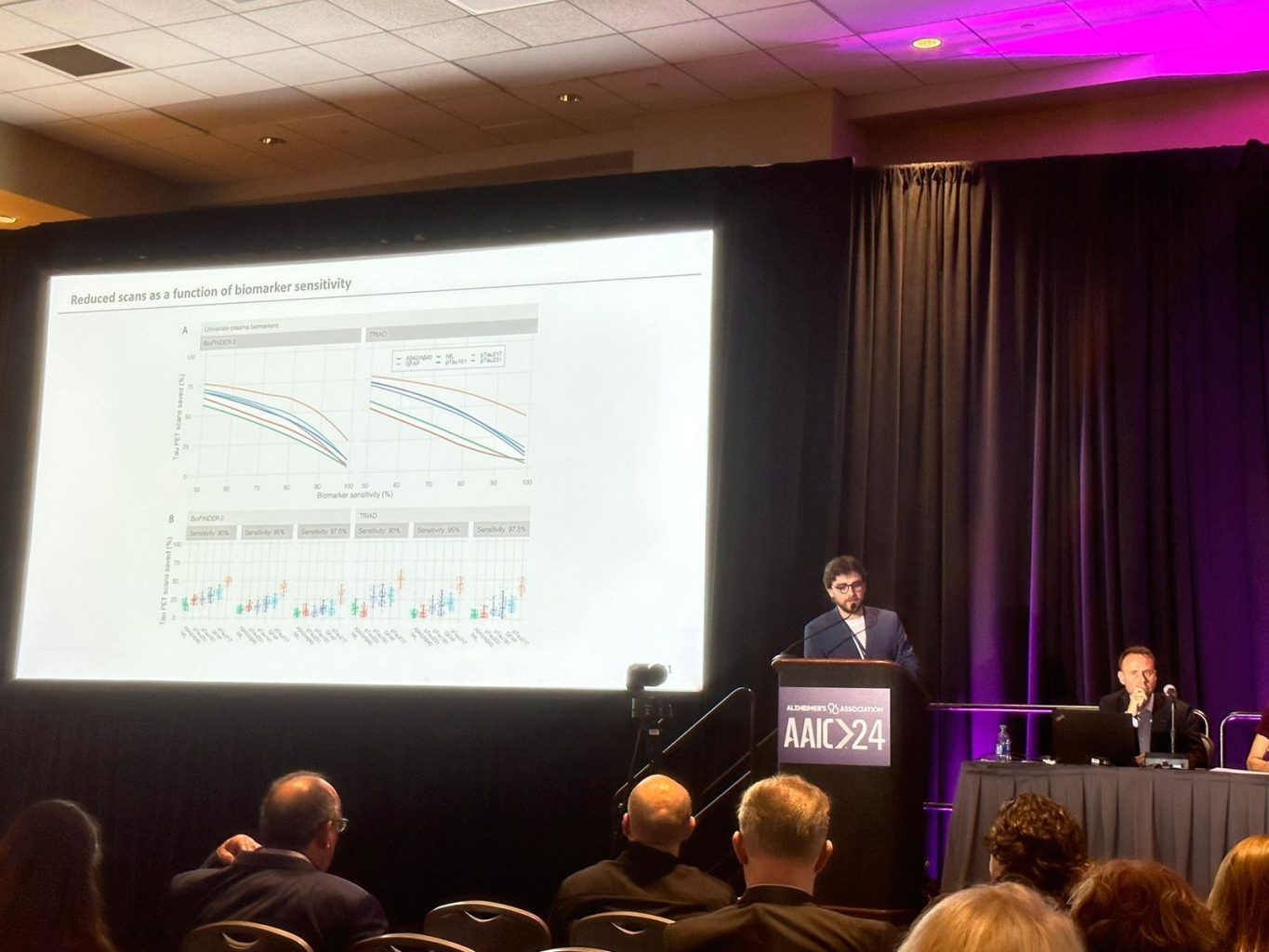
Alzheimer’s guidelines are updated every five years and the latest one was published in June 2024. Wagner wrote ten articles that were quoted in the document and his work was acknowledged as part of the scientific basis for the new definition of Alzheimer’s disease. Five of his quoted articles are part of his PhD research. “I feel deeply honored that my work and ideas have been internationally recognized”, points out Wagner.
The student believes that one of the key factors contributing to the positive outcome was the strong sense of connection among colleagues at the Zimmer Neuroimaging Lab. He has been part of the group since his first term in college and highlights that “everyone is united by a common goal: to conduct high-quality research in Brazil.”
Another project developed by this lab is the “Brazilian Biomarker Initiative for Neurodegenerative Diseases (IBBioNeuro)”. The project aims to identify people who are at risk of developing neurodegenerative diseases like Alzheimer’s and to promote the early detection of the disease. The project received support from the Rio Grande do Sul Health Department. According to Wagner, this allowed the team to acquire equipment for measuring blood biomarkers, specifically ultra-sensitive laboratory and analytical platforms.
These devices are expected to be used in the Unified Health System (SUS), for detection of Alzheimer’s biomarkers. The main goal is to assess SUS patients who suffer from memory loss to identify Alzheimer’s-related changes. “This project will have a lot of targets and it will reach several places in Rio Grande do Sul”, highlights Wagner.
Translated into English by Laura Lameira Ekman, undergraduate student enrolled in the course “Supervised Translation Training I (English)” of the Undergraduate Program in Language and Literature, under the supervision and translation revision of Professor Rozane Rebechi (P.h.D.) – IL/UFRGS.