

Climate change | Researchers claim that changes to Rio Grande do Sul’s Environmental Code are a legal and ecological setback. The state government argues that the new framework aims to optimize environmental management
*First published June 5, 2025
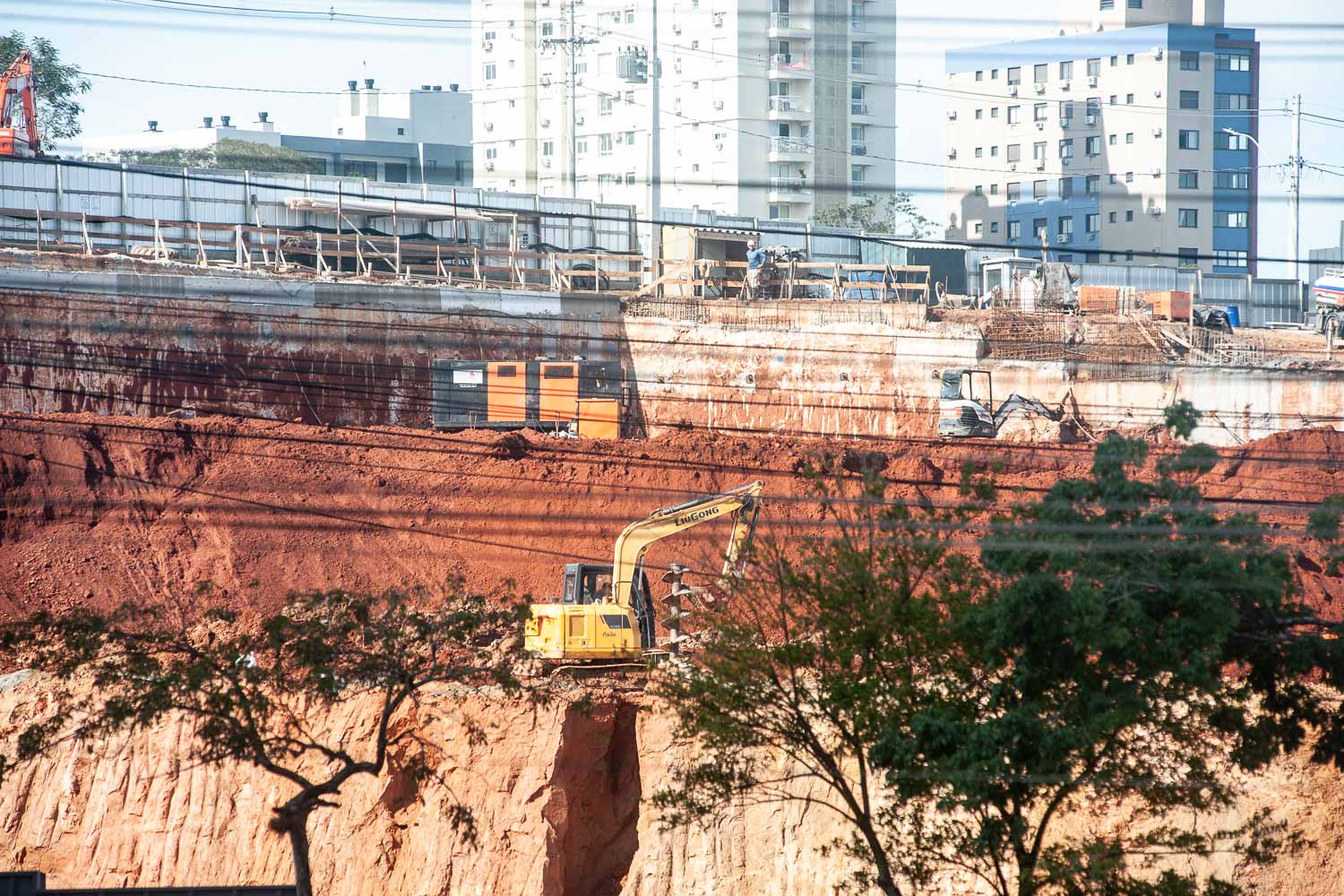
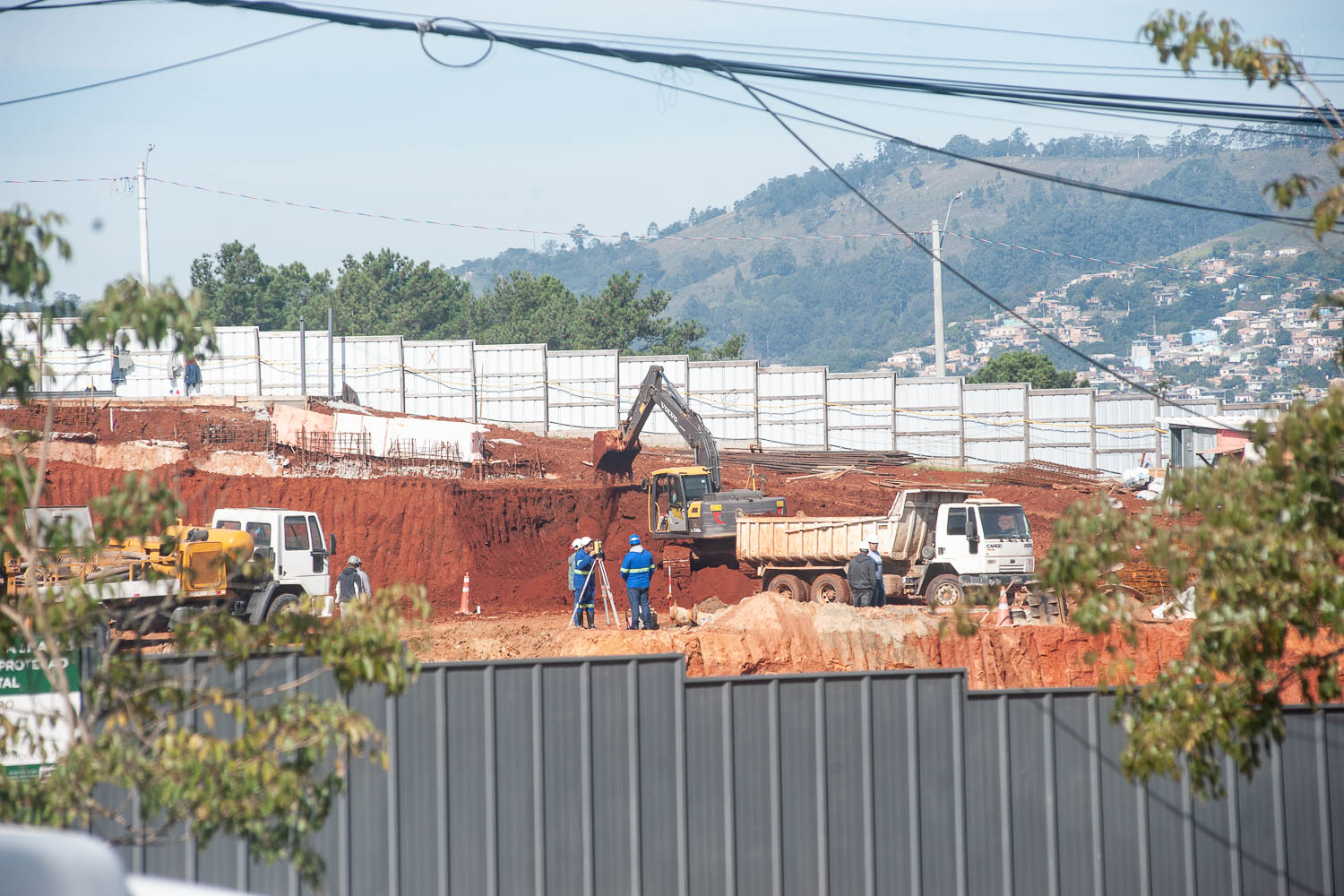
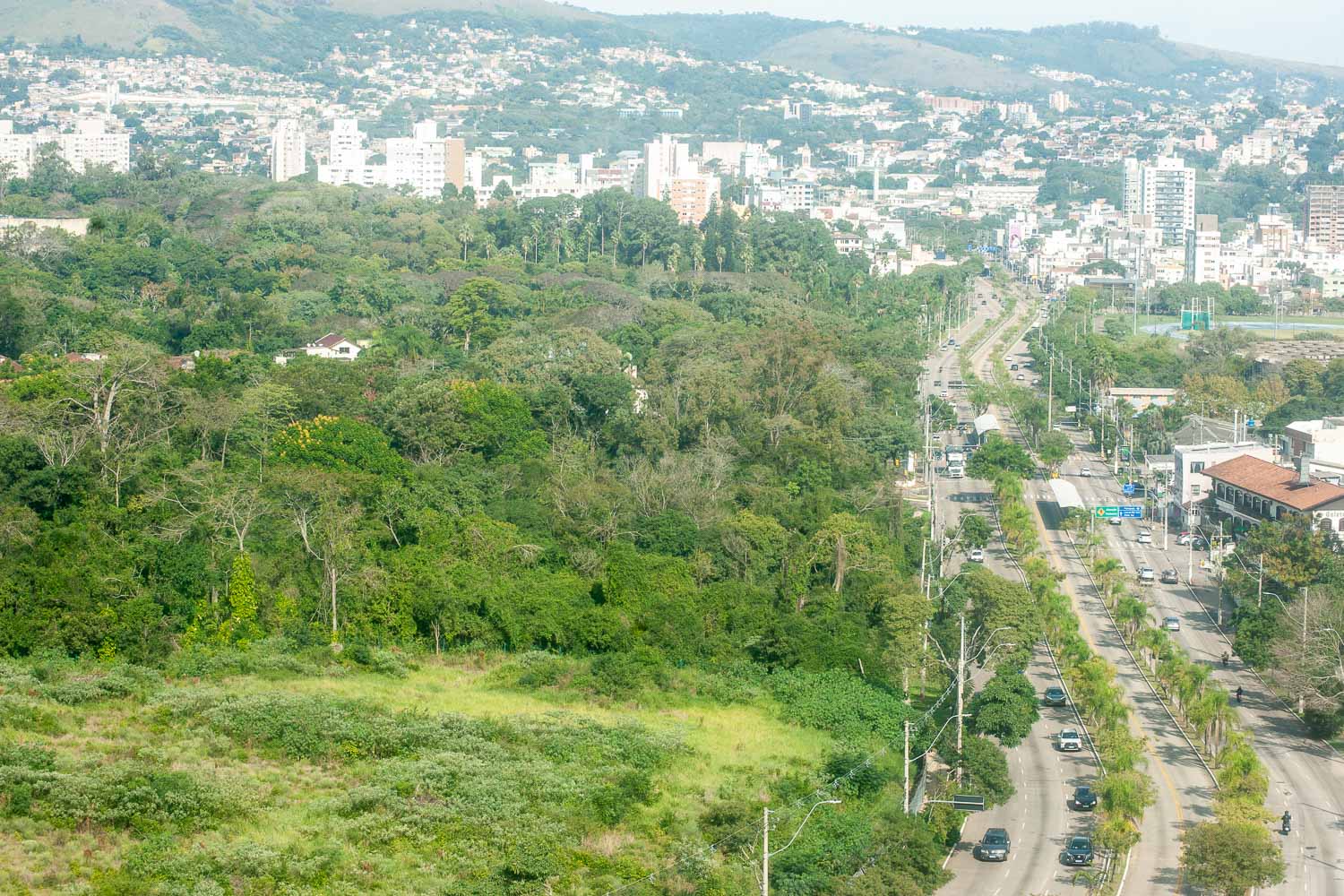
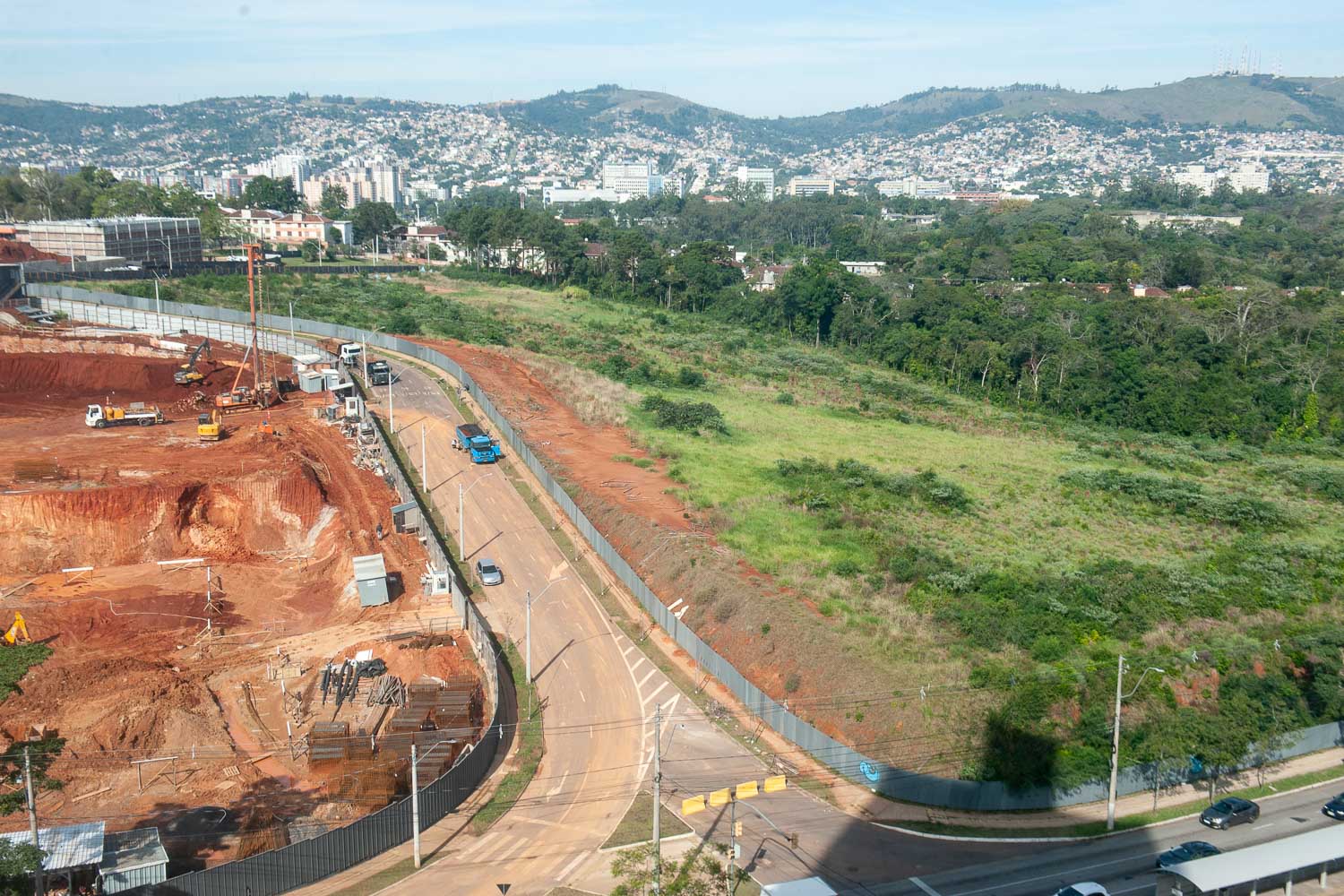
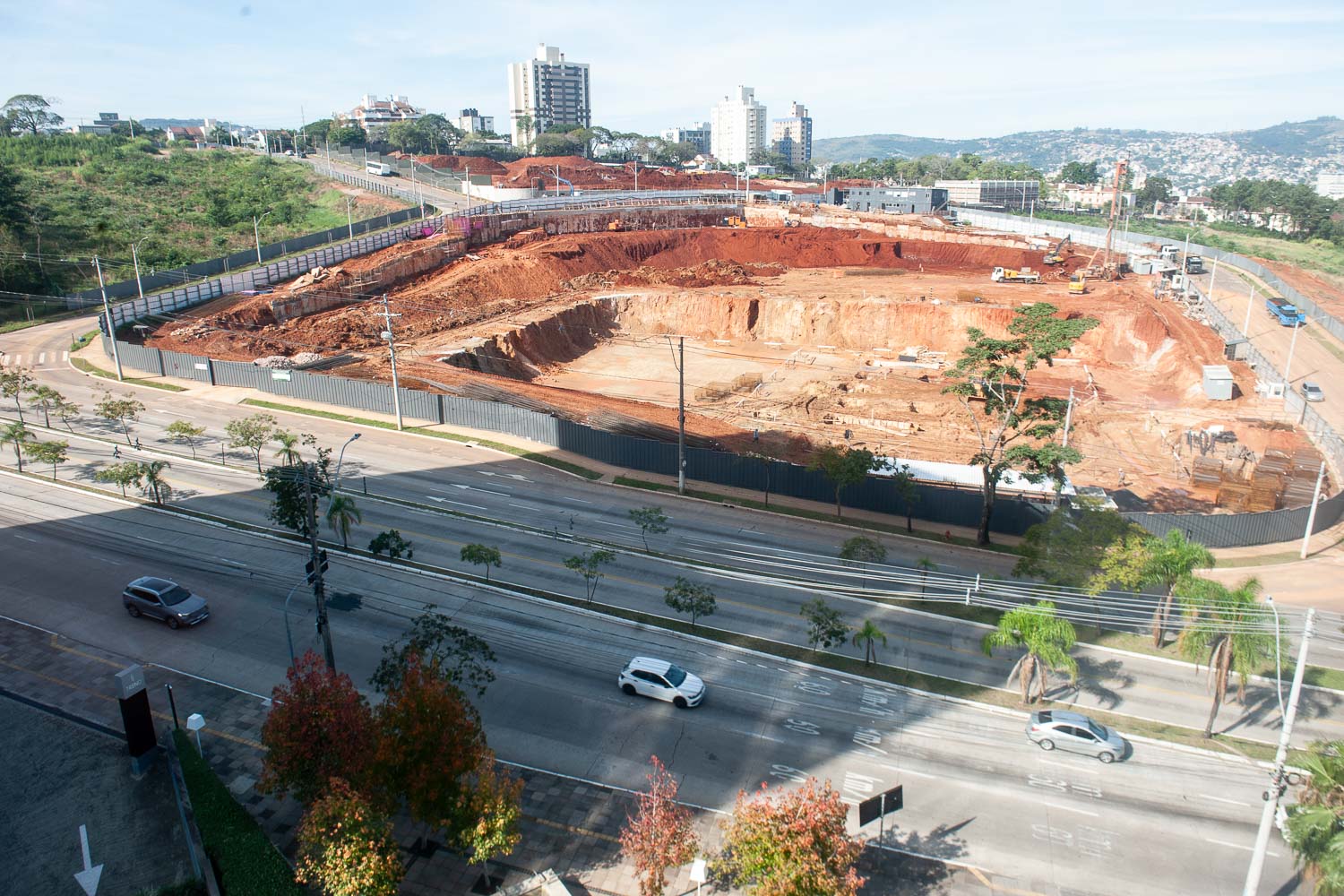
*Photograph: Flávio Dutra/JU
Develop to protect. This is the motto adopted by the State Secretariat for the Environment and Infrastructure (Secretaria Estadual do Meio Ambiente e Infraestrutura – SEMA) of the current government of Rio Grande do Sul. However, with the creation of the new State Environmental Code in 2020, this premise falls short. The measure represents a major legal and ecological setback and experts argue that it weakened environmental protection and increased the State’s vulnerability to extreme weather events.
June 5 is World Environment Day. But do you know why? On that same day in 1972, the United Nations Conference on the Human Environment opened in Stockholm, marking a milestone in the discussion and awareness about global environmental issues. Following the conference, the United Nations General Assembly officially designated the date as a call to action for the preservation of the planet.
Back in Rio Grande do Sul, measures adopted by the current state administration run counter to environmental protection and preservation. On January 9, 2020, Governor Eduardo Leite signed into law a new State Environmental Code (Law No. 15434/2020), replacing the previous legislation (Law No. 11520/2000). The new law introduced approximately 500 changes to the environmental legislation. Enacted in 2000, the original text had been developed with contributions from several experts, including José Lutzenberger, one of Brazil’s leading figures in the field of ecology.
The new code introduced instruments deemed unconstitutional by the Brazilian Federal Supreme Court (STF), such as the License by Adhesion and Commitment (LAC). This mechanism allowed medium-impact environmental projects to operate without prior technical analysis by regulatory agencies, in effect, a form of self-licensing.
Experts interviewed for this news article stated that the floods that struck Rio Grande do Sul in 2024 were not merely natural disasters, but also the result of political and legislative decisions made over the past decade, with changes to the Environmental Code among the main ones. “The new Code represents destruction, a catastrophe for environmental preservation,” says Francisco Milanez, a biologist and environmental educator.
At the time the new code was approved, Milanez was president of the Associação Gaúcha de Proteção ao Ambiente Natural (Agapan, freely translated as the Association for the Protection of the Natural Environment of Rio Grande do Sul), an environmental protection NGO. He recalls that Agapan, one of the first environmental organizations in Brazil, was not even consulted about the proposal’s proceedings. Agapan filed a lawsuit and succeeded in preventing the vote from taking place under an emergency procedure. Even so, the bill was approved in approximately 74 days, violating a democratic and technical agreement that had supported the previous legislation.
Among the main points that were changed, the elimination of the concept of floodplain, which is essential for flood control, and the weakening of park management and environmental licensing, especially with the implementation of self-licensing, which Milanez considers irresponsible and dangerous, are highlighted.
“Eliminating the concept of floodplain is destroying what protects us from floods. The river needs space.”
Francisco Milanez
From pioneer to setback
The Code from 2000 took more than 10 years to be developed, with broad contributions from experts, organizations, and civil society. However, the current text was approved without public debate in less than a year. Thais Lukrafka, a specialist in Environmental Law, claims that the new Environmental Code eliminated protective provisions and repealed the chapters on environmental education, the responsible use of pesticides, and financial incentive instruments for environmental conservation. Provisions that were once clear and enforceable have been replaced by generic rules, generating legal uncertainty.
Lukrafka also strongly criticizes the LAC and claims that the system allows the submission of documents without verification, enabling licences to be issued almost automatically. STF unanimously ruled that it is unconstitutional to automatically grant environmental licenses to companies that carry out medium-risk activities.
Changes introduced by Provisional Measure No. 1040/2021 amended Law No. 11598/2007, allowing for the automatic issuance of licences even for activities with potentially significant environmental impact, contrary to the interpretation adopted by STF. This change is part of the proposal to simplify and expedite business opening through Redesim, a national system created to streamline the process of opening and licensing companies by connecting different levels of government.
The effects are already evident
“We’re living in a dystopia. Greed and denialism have dominated public debate,” argues Paulo Brack, a professor at UFRGS Department of Botany. Amid scientific neglect and a rush that prioritizes practicality over care, the consequences of this process can be seen and confirmed by society. Brack states that factors such as a political context exacerbated by climate denialism, pressure from agribusiness, and a logic of competition among states have created incentives for environmental deregulation, resulting in the shrinking of environmental democracy and the advisory role of experts.
As the main results of the new Environmental Code, Brack highlights self-licensing, citing the case of the Lajeado Havan store, which was built on a Permanent Preservation Area (APP), and the weakening of the vegetation’s buffering function, which consequently accelerates flooding. The researcher also points out the suppression of 13 articles from the State Forest Code, citing as an example the incentive for planting native species and preserving trees immune to felling, such as fig trees, araucarias, and butia palms, which were previously protected by state law and have now lost legal protection.
When asked about possible ways to reverse the changes or even restore the previous Code, Brack does not have high expectations. Since parliaments are dominated by anti-environmental sectors, his biggest bet is on the Judiciary, especially STF and the Regional Federal Appellate Court of the 4th Region (TRF4). He also emphasizes the urgent need to repoliticize society and science, bringing the population closer to the environmental agenda. “Dystopia leads to alienation. We need to reconnect science, policy, and the people.”
Jornal da Universidade (JU) requested comment from SEMA on the points raised by the experts interviewed for this news article, but the Secretariat did not respond by the time of publication. However, in previous notes on the subject, SEMA stated that the changes to the State Environmental Code were structured with the aim of strengthening environmental protection, promoting the population’s well-being, fostering entrepreneurship, valuing good practices, and guaranteeing legal security to licensing processes. As SEMA notes, the new framework aims to optimize environmental management based on technical criteria and greater administrative efficiency, maintaining the commitment to sustainable development.
Devastation on a national level
On May 21, 2025, the plenary of the Brazilian Federal Senate approved, by a vote of 54 to 13, Bill No. 2159/2021, which establishes the General Environmental Licensing Law, known as the “Devastation Bill”. The proposal establishes a new regulatory framework for licensing procedures in Brazil, relaxing rules for real estate developments with potential environmental impacts. The new national law resembles in many aspects the model already implemented in Rio Grande do Sul since 2020, particularly regarding procedural simplification.
During the Brazilian Federal Senate session, Senator Tereza Cristina, the bill’s rapporteur, used the following argument to defend the proposal: “We need to stop hindering Brazil’s development. No country in the world condemns its people to live without electricity, water, sanitation, roads, that is, without prosperity, due to challenges of balancing economic activity with environmental preservation. These two can, actually, go hand in hand.”
In response, the Ministry of the Environment and Climate Change (MMA) issued an official statement asserting that the General Environmental Licensing Law represents a significant dismantling of the existing regulations on the matter and constitutes a risk to the country’s environmental and social security. This institutional criticism reinforces the warnings made by the experts interviewed in this new article, highlighting that, both at the regional and national levels, nature’s responses have not been enough to change the course of political decisions.
In process for over 20 years, Bill No. 2159/2021 marks a turning point for the productive sector, driven by demands for streamlining and faster procedures. The proposal aims to unify regulations at the national level, defining deadlines and objective criteria, replacing more than 27,000 federal, state, and municipal regulations. As the new legislation’s supporters note, among the large-scale projects that are “stuck” by environmental requirements are Ferrogrão, a 933 km railway between Sinop (MT) and Itaituba (PA), and oil exploration at the mouth of the Amazon River, both initiatives of high environmental sensitivity and the focus of large mobilization by researchers, legal experts, and civil society organizations.
In face of so many signs, what more do we need to heed the warnings? As those interviewed note, the answer necessarily involves social mobilization, the vigilant and committed role of the Judiciary, and an urgent rebuilding of collective awareness about the place we inhabit and how we want to inhabit it in the coming years.

Translated into English by Cristina Gueths de Aragão, undergraduate student enrolled in the course “Supervised Translation Training II (English)” of the Undergraduate Program in Language and Literature, under the supervision and translation revision of Professor Rozane Rebechi (P.h.D.) – IL/UFRGS.
:: Read in portuguese
Flexibilização de leis ambientais revela as disputas entre preservação e desenvolvimento