Biology | Study analyzed over 300 strains of Enterococcus bacterium found in food and compared current antibiotic resistance with data obtained in previous work from 2007
*By Gabhriel Giordani
*First published: August 18, 2022
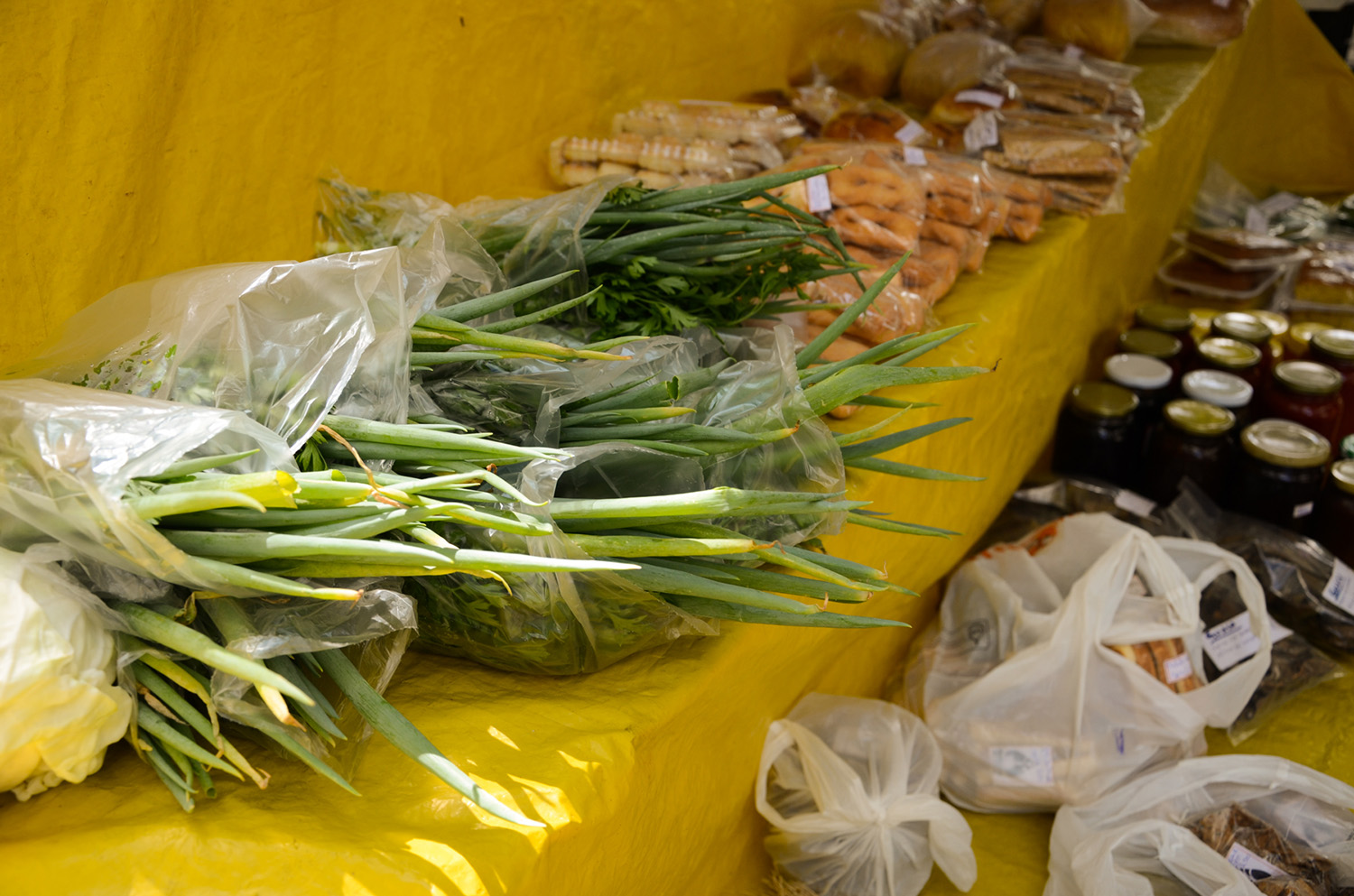
*Photo: Researchers evaluated antibiotic resistance from bacteria obtained from foodstuff such as vegetables and food of animal origin (Rochele Zandavalli – Archive/March 7th, 2017)
Researchers from the Graduate Program in Agricultural and Environmental Microbiology at UFRGS evaluated the impacts of the RDC 20/2011, a regulation of the Brazilian Health Regulatory Agency (Anvisa), on antimicrobial resistance of Enterococci bacteria found in food. In the research, the group re-ran tests that had been conducted on raw, ready-to-eat food in a 2007 study – before the regulation – in order to assess the reduction of resistance of these bacteria to antibiotics and to have comparative basis for future data. One of the obtained results is that antimicrobial multiresistance – when a bacterium is resistant to several drugs – was reduced by 24% between 2007 and 2017, which demonstrates the effectiveness of the legislation. The article was published in the most recent edition of the Annals of the Brazilian Academy of Sciences (Anais da Academia Brasileira de Ciências).
Thirty food samples were analyzed, separated into two groups: vegetables (cassava, beets, potatoes, sweet potatoes, parsley, carrots, and cabbage) and food of animal origin (raw chicken meat, colony cheese and cream cheese) – all purchased in different supermarkets in Porto Alegre in 2017. The food was analyzed raw so that it would not have any decontamination procedure.
In the analyses, the researchers obtained and identified the strains of 310 Enterococci isolated from vegetables and food of animal origin. These strains were then tested for antimicrobial susceptibility – that is, to verify which ones were resistant or susceptible to antibiotics – and those that showed resistance underwent a genetic evaluation.
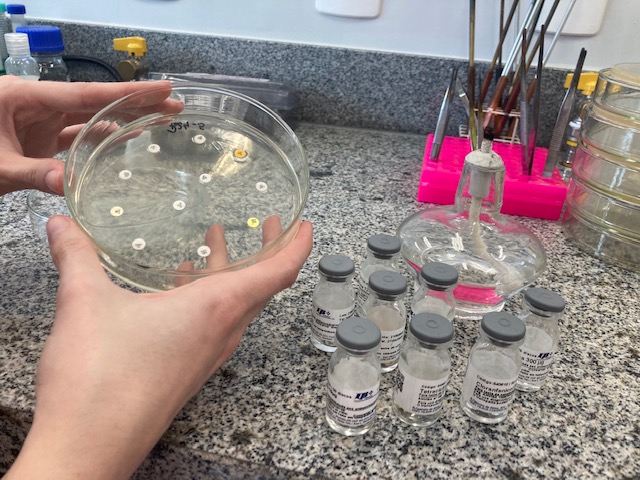
Enterococcus faecalis bacteria was the dominant one in the food of animal origin category (found in 82.4% of the samples), while vegetables contained mostly E. casseliflavus (50.99% of the samples). The recurrence of E. faecalis in raw chicken meat is explained by the high vulnerability of this kind of food to contamination by feces of slaughtered animals.
The strains analyzed in the most recent study showed greater sensitivity to antibiotics like ampicillin, gentamicin, chloramphenicol, and vancomycin when compared to isolates collected in 2007. The percentages of Enterococci bacteria that were resistant to ampicillin, gentamicin, chloramphenicol and vancomycin in the present study were also lower than the ones in the previous study. Over these ten years, multidrug resistance decreased by 24%, which demonstrates that there has been greater control of antimicrobial resistance.
How to understand this bacterium?
Enterococci bacteria are used as “sentinel organisms” in order to identify antimicrobial resistance through the food chain. Even though some species are used as probiotics in food, they are among the most important multidrug-resistant microorganisms and can cause a high rate of contagion in immunocompromised or hospitalized patients.
The reduction of antimicrobial-resistant Enterococci in food samples since 2007 reveals that the RDC 20/11 had positive impact on reducing the spread of antimicrobial resistance in the environment. These data suggest that there is room for improvement in food safety by expanding knowledge and practices in this area.
The research highlights that interventions which aim to rationalize antibiotic use are very important to prevent the spread of antimicrobial-resistant bacteria, for both human health and food production. One of the study co-authors, the PhD in Agricultural and Environmental Microbiology Letícia Costa, is in favor of restricting these drugs to be sold only with medical prescription, claiming that the indiscriminate use of some drugs can destroy the healthy microbiota found in the intestine.
She also highlights the set of strategies created by the World Health Organization (WHO) which tackles the increase of microbial resistance. Here in Brazil, the RDC 20/2011, for example, began to require the retention of medical prescriptions for antibiotics purchases, which decreased the indiscriminate use of these drugs.
The research advisor, professor at the Institute of Health Sciences Ana Paula Frazzon claims that such measures are useful to ensure the maintenance of these antibiotics over the years. “By 2050, if we keep this indiscriminate use, we will not have antibiotics for the treatment of infections as ordinary as a sore throat, for example, because all bacteria will already be resistant to antibiotics,” she points out.
Consumer participation
The professor adds that the population should be educated about food safety and safer practices that prevent the proliferation of the studied bacteria. According to her, the pandemic allowed for raising awareness about food sanitizing and deepened concern about the process that food goes through until it reaches the consumer’s table.
One practice that helps reducing risks is cooking the food – once the food is boiled, the risk of harmful microorganisms is minimal. Another important and lesser-known aspect is washing fruits and vegetables in a mixture of water and sodium hypochlorite. Leticia recommends, for each liter of water, adding two tablespoons of hypochlorite. The recommendation is to let the food soak in a bowl for about 20 to 30 minutes and then fully rinse it.
For future studies, Ana Paula says that analyzing new tests is crucial to discover the impact of the pandemic on the addressed topic. She explains that, even though covid-19 is caused by a virus and not by a bacterium, the perception regarding the treatment and contamination of food has increased significantly. Moreover, last year the RDC 20/2011 was repealed and replaced by the RDC 471/2021, making the researchers perceive the need to analyze the changes caused by this measure.
Translated into English by Carolina Veiga Kirst Adami, undergraduate student enrolled in the course “Supervised Translation Training II (English)” of the Undergraduate Program in Language and Literature, under the supervision and translation revision of Professor Elizamari R. Becker (P.h.D.).
:: Read in Portuguese
Pesquisa demonstra redução na taxa de resistência antimicrobiana de bactérias encontradas em alimentos