

Society | Cooperative housing experiences are growing in the opposite direction of individualism and real estate speculation, aligning necessity, utopia, and cooperation
*First published April 4th, 2024
*Photo: Founded in 1992 by a group of education workers, Cootepa is currently the residence of 30 families who search for tranquility and contact with nature (Photo: Marcelo Pires/JU)
A healthier life, a shared utopia, or cost reduction through collective labor — these are just some factors, among many others, that seem to explain the growing number of groups comprising people of different ages, connected by some kind of social bond. They come together to achieve a common goal: to live in new and diverse ways of collective housing, far away from market-driven, gated communities.
This is the case for the Housing Cooperative of Workers in Private Education Institutions of Porto Alegre Ltd. (Cootepa). Cootepa was founded in 1992 by a group of education workers, based on the popular housing movements that emerged in the 1980s in the Metropolitan Region of Porto Alegre. Covering just over two hectares, the property is located in the East Zone of the Capital, about 17 km from the city center, on the border with Saint-Hilaire Park. Surrounded by greenery, the land stands out for its tranquility and natural diversity.
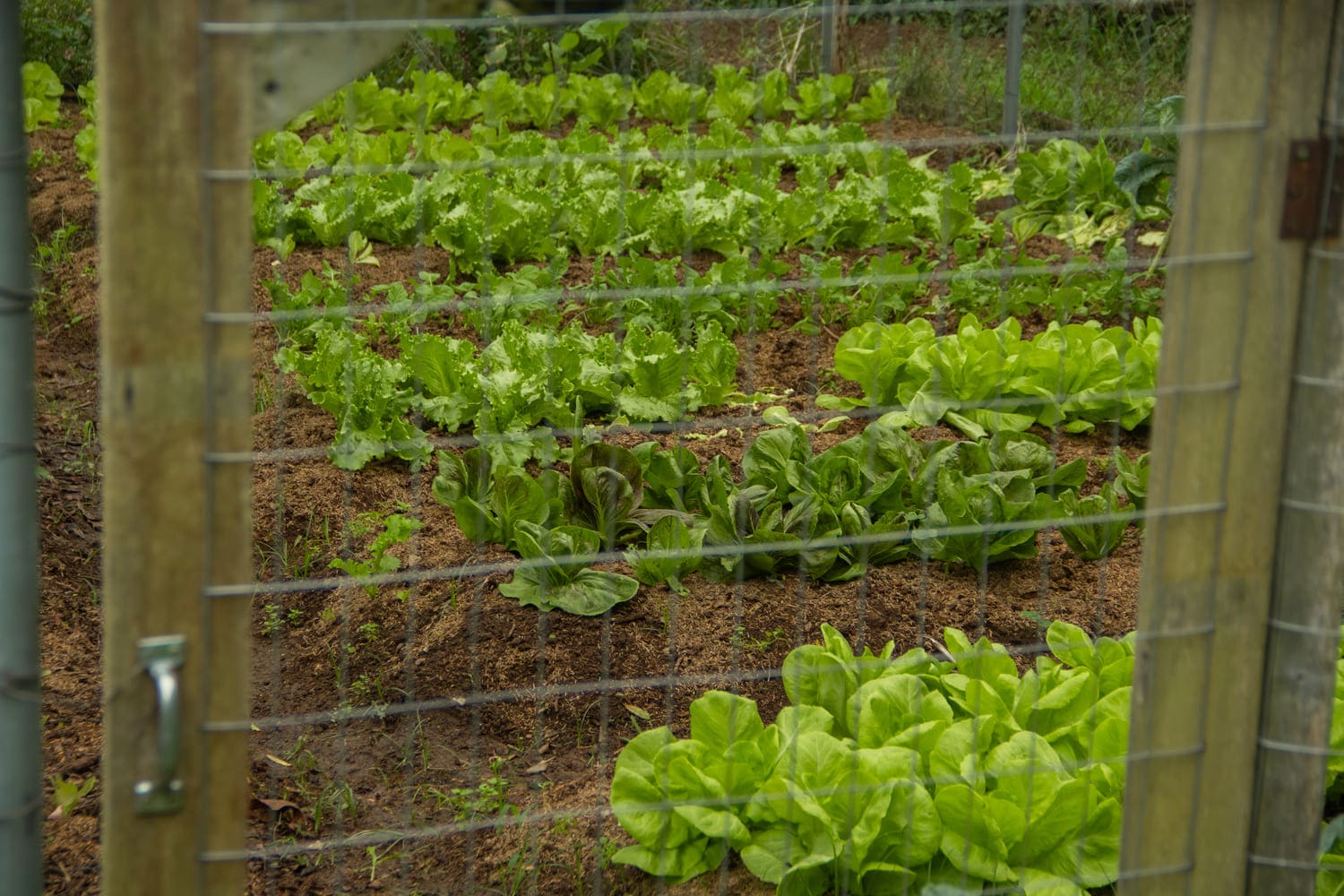
“We started looking around Porto Alegre for housing models that embraced more of a cooperative spirit, and we came here to check it out. This place didn’t exist at all, it was all dirt floors. But we started taking part in the assemblies, and here we are, 12 years later,” recalls teacher Maria Alessandra Tinos as she returned from walking her dogs, her hands carrying a bundle of vegetables from one of the cooperative’s gardens.
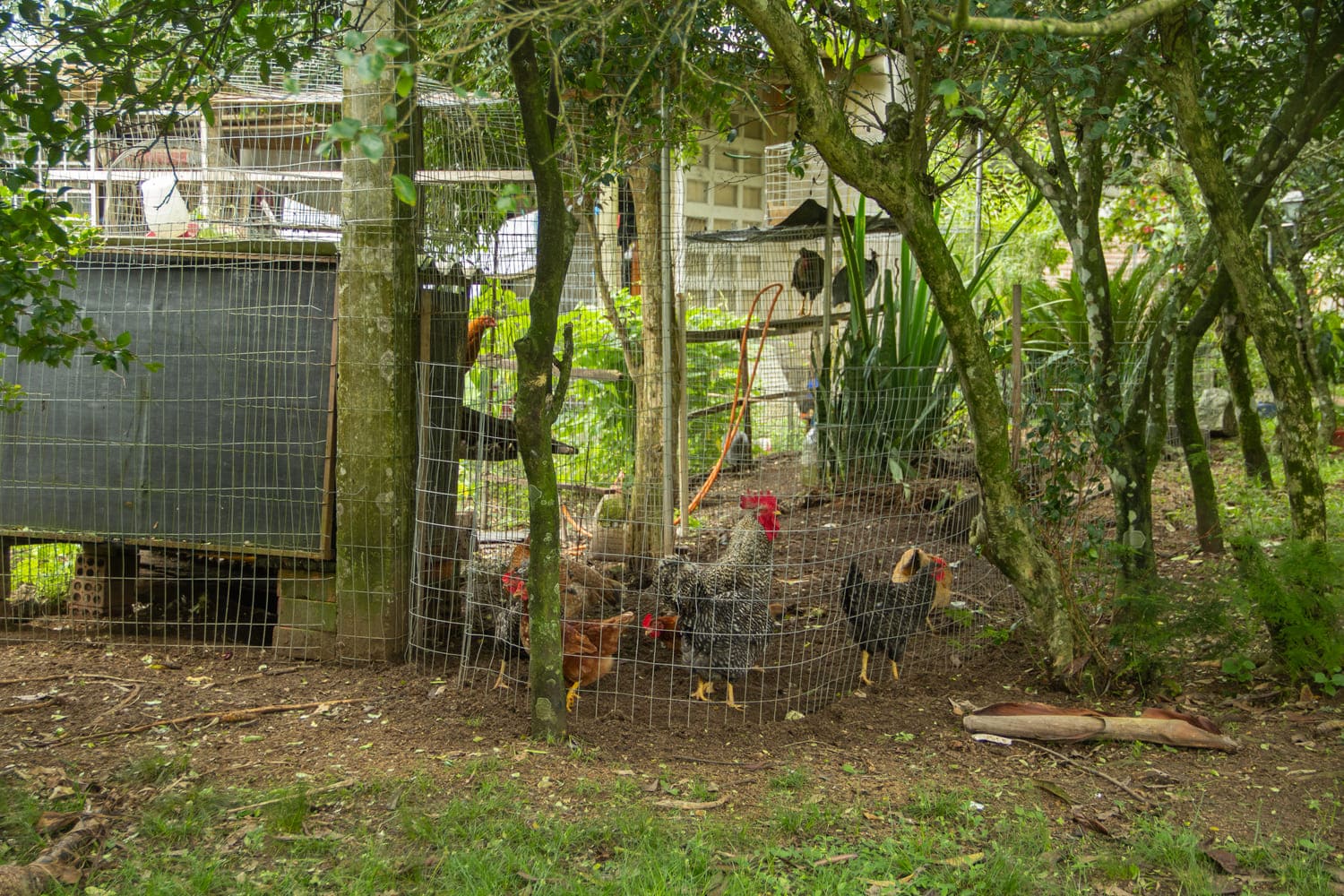
Maria Alessandra is part of one of the 30 families living at the location, and she also works at the cooperative’s Fiscal Council. The land for the project was acquired in 1994, at a time when it was open and vacant. Through planning and fundraising among the participating members, sanitation, lighting, and roadworks were carried out for the subsequent construction of the housing units. Nowadays, the location features sports courts, both open and enclosed social areas, vegetable gardens, and parking.

Life and dignity
The motivation to design and share a housing project may comprehend deeper meanings. Maria Helena da Silva Bandeira, 55, knows this well — she is a recycling worker from the streets of Gravataí, or an “Earthcare doctor” as she often introduces herself. For the past 10 years, she has been a part of the project “Orquídea Libertária: learning and creating with our own hands,” organized in the city of Gravataí, in the Metropolitan Region of Porto Alegre.
Raised in a quilombo community and making a living from domestic work across the suburbs of Canoas, Porto Alegre, and Gravataí, Maria’s reaction upon being introduced to the initiative wavered between doubt and uncertainty. “I had four children and didn’t have much confidence in myself. Were they really going to build houses for us recyclers? It was hard to believe,” she tells students filling up a classroom at UFRGS School of Education. “Over time, we got to know each other and became more familiar with the idea of planning things together with the technicians and doing everything collectively, which, for us, also felt very strange. How were we supposed to help the architects?” she says.
The Orquídea Libertária project was made possible through the acquisition of a 1.2-hectare area, funded by the Brazilian federal government with resources from the Minha Casa, Minha Vida (My Home, My Life) program. Between planning and execution, the building project has been underway for nine years and aims to deliver housing units to all 50 registered families. The project features a 30,000-liter rainwater tank, outdoor lights powered by solar panels, a vegetable garden, and an environmental preservation area. In addition, a community center, a bakery, and a confectionery are still under construction.
“It is the only cooperative that never charges a membership fee; instead, we exchange that money for hours of work. All maintenance tasks are carried out by the families. Legally, I’m the president, but I work just like everyone else,” says Eduardo Solari, the project’s mentor and a veteran of other cooperative initiatives, such as the Urban Settlement Utopia e Luta in Porto Alegre’s city center.
Maria says she found in the project a gateway to recognition, strength, and hope.
“We have been told that ‘we have no rights,’ but the cooperative came to show that we do have rights. We have just as much right as any of you here in this room… the right to our own free territory. Free from violence, prejudice, racism. Free from everything.”
Maria Helena da Silva Bandeira
Paradigms and Challenges
A concept that has also been used to refer to alternative communities is that of intentional communities: “human settlements made up of people who share common purposes and ideologies and who have, therefore, chosen to live together.” This definition serves as a framing point in a recent study on the growing academic research concerning this phenomenon in Brazil.
The article “As pesquisas brasileiras sobre comunidades intencionais e ruralidades: notas exploratórias” (Brazilian research on intentional communities and ruralities: exploratory notes), published in the journal Contribuciones a las Ciencias Sociales, reports that, between 2004 and 2018, the number of publications on this topic increased eightfold. The same study highlights ecovillages as the most prominent form of intentional living among the various organizational models of this kind.
Ecovillages are “rural or urban communities of people who seek to live in a social environment that ensures a low-impact ecological lifestyle […], including ecological design, permaculture, low-impact buildings, green production, alternative energy, community-building practices, and more.” Both the Global Village Network and the Brazilian Ecovillage Movement endorse this definition.
Choosing to live in an ecovillage is a complete change in lifestyle according to Lívia de Mello Trindade, who holds a master’s degree in Rural Development from UFRGS and in December 2023 defended her thesis on the Arca Verde Ecovillage, located in São Francisco de Paula.
In her research, Trindade highlights that the city is too noisy and polluted, and many people are caught in a frenetic, consumption-driven lifestyle. For her, individuals come together through affinity, driven by a desire to be close to people who share things in common and want to create a supposedly sustainable way of life. However, regardless of the chosen model of collective housing, organizing a communal life always requires negotiation and consensus building.
“Cooperative administrative and financial systems do not rely on external resources: everything here is collective. We had to define a project and set a timeline for the installation of the sewage system and paving. It took us five years to build up a fund to cover the costs,” says Roque Grazziola, administrative coordinator of Cootepa.

For Eduardo Solari, legal president of the Orquídea Libertária cooperative, bringing a group of people together around a collective cause is a challenge nowadays. “We live in a society that is becoming increasingly ‘liquid,’ which may lead to a failure in recognizing the collective. A community is not just a group — it carries a much deeper cultural meaning. Rebuilding that meaning is our goal,” he says.
Similarly, Trindade draws attention to the importance of understanding individual differences and practicing patience when building shared goals. “It is crucial to cultivate an environment of idea exchange, aimed at identifying what benefits everyone. This approach would not only strengthen the community but also provide a solid foundation for future decisions and related aspects,” she concludes.
Initiatives and Data on Ecovillages
In Rio Grande do Sul
According to the 2022 Mapping of Ecovillages and Regenerative Communities in Brazil, conducted by the Research Circle of the CASA Brazil Network (Círculo de Pesquisa da Rede CASA Brasil), by that year, there were 207 ecovillages or regenerative communities in the country. The same study revealed that the largest concentration of these communities (103) was in the Southeast region, while the smallest (6) was in the North region. The South region had 39 such organizations, with 9 in Paraná, 14 in Santa Catarina, and 16 in Rio Grande do Sul.
In Brazil
In December 2022, Casa Brasileiro — the Brazilian branch of CASA Latina, which in turn is the Latin American branch of the Global Ecovillage Network (GEN) — submitted to Lula’s Transition Team the proposal for the creation of a National Policy to promote and support Ecovillages and Regenerative Communities.
Around the World
The Global Ecovillage Network (GEN) is a network of communities and regenerative initiatives that connects different cultures, countries, and continents. Based in Scotland, GEN is made up of five regional networks, with approximately 10,000 communities and related projects worldwide.
Glossary
Intentional Communities: Human settlements made up of people who share common purposes and ideologies and who have, therefore, chosen to live together.
Alternative Communities: Communities that are based on traditional knowledge and social technologies, and that prefer traditional values over new technologies.
Sustainable Communities and Ecovillages: Communities with a sensitive view on the socio-environmental crisis, seeking collective housing models that are environmentally friendly.
Self-sustaining Condominiums: Ecological businesses and condominiums that embrace the concept of sustainable growth.
Conventional Condominiums: Housing developments that operate according to the old, unsustainable housing paradigm.
Translated into English by Brenda Bressanelli Marcon, undergraduate student enrolled in the course “Supervised Translation Training I (English)” of the Undergraduate Program in Language and Literature, under the supervision and translation revision of Professor Rozane Rebechi (P.h.D.) – IL/UFRGS.
:: Read in Portuguese